A Splatter Screen Is the Simplest Fix for Bacon Grease
Bacon grease travels farther than you expect. A single strip of thick-cut bacon can send fat droplets six inches or more from the pan, coating the stovetop, the backsplash, and sometimes the wall behind the range. Cleaning hardened grease is slower and messier than preventing it in the first place, so the tools and techniques below are worth building into your routine.
Start with the Right Pan and a Dry Piece of Bacon
A wide, high-sided pan keeps more splatter contained before it escapes. Cast iron and stainless-steel skillets are both good options because they hold heat evenly, which discourages the violent temperature spikes that cause fat to pop. Thin pans with hot spots force moisture in the bacon to flash into steam unevenly, and that steam explosion is what launches the droplets.
Pat the bacon dry before it goes in. Bacon releases moisture as it cooks, and the more surface water it carries, the more aggressively the fat spits. A quick press with a paper towel before you lay the strips down meaningfully reduces how much it pops in the first minute.
Also start with a cold or barely warm pan rather than a preheated one. Placing bacon in a cold pan and letting the temperature climb together renders the fat more slowly, which produces less violent spattering. The trade-off is a slightly longer cook time and, for some people, a less crispy result, so adjust to your preference.
The Splatter Screen: What It Does and What It Cannot Do
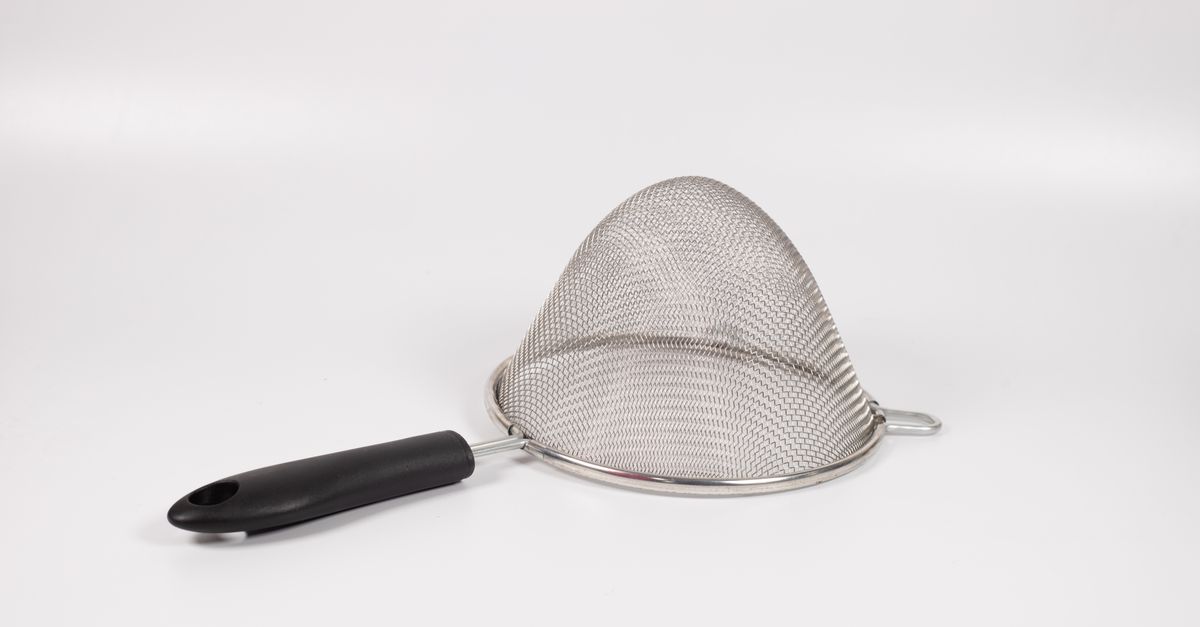
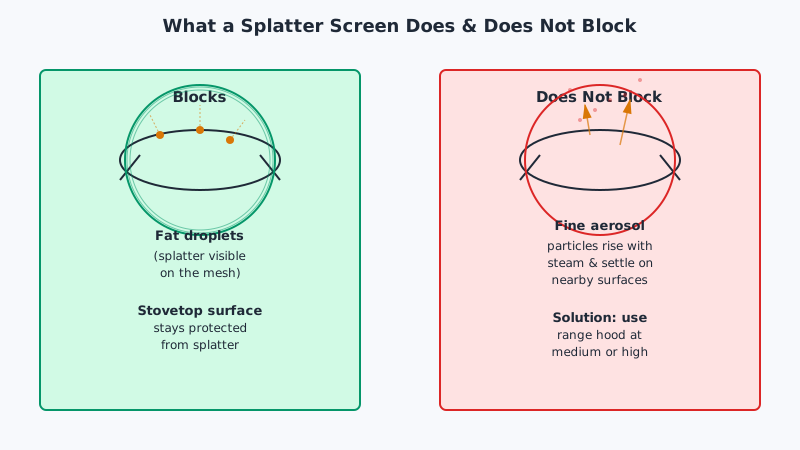
A splatter screen is a fine-mesh disc you rest over the pan. It lets steam escape freely (so the bacon does not steam-cook and turn limp) while blocking fat droplets from reaching the stovetop surface. It is the single most effective passive tool for this problem.
A few practical details matter:
- Mesh size: A finer mesh catches smaller droplets but can trap more steam and slow cooking slightly. Coarser mesh lets the pan breathe more and does little to stop fine mist. For most cooking, medium-fine mesh is a reasonable middle ground.
- Fit: The screen should be at least as wide as the pan’s opening. A screen that is too small lets splatter escape at the edge, which defeats its purpose.
- Handle position: Many screens have a single handle that can get hot over a gas burner. A folding or side-resting handle is easier to manage safely.
- Cleaning: Grease accumulates in the mesh over time. Rinse the screen under hot water with a drop of dish soap immediately after cooking, before the fat congeals. If you let it cool with grease in the mesh, the cleanup becomes significantly harder.
What a splatter screen cannot do is eliminate every trace of airborne grease. Very fine aerosol particles still rise with steam and eventually settle on nearby surfaces. A screen reduces this substantially, but running a range hood fan at medium or high while cooking is the best complement to it.
Cooking Temperature: the Variable Most People Get Wrong
High heat cooks bacon faster, but it also creates the conditions for maximum splatter. Fat that reaches its smoke point does not just smoke; it also becomes more volatile and prone to popping. Medium to medium-low heat cooks bacon thoroughly without superheating the fat to the point of violent spattering.
If you notice the bacon is popping loudly from the moment it hits the pan, the heat is likely too high. Reduce it immediately. Bacon should sizzle steadily, not crackle and snap aggressively. The steady sizzle indicates moisture is escaping at a rate the fat can manage without explosive pops.
For electric coil or glass-top stoves, the surface takes longer to respond to dial changes than a gas burner does, so give it a full minute after you turn it down before judging whether the temperature has actually dropped.
Other Methods Worth Knowing
Oven bacon is the cleanest approach for large batches. Lay strips on a rimmed baking sheet lined with aluminum foil or parchment, and cook at around 400°F (200°C). The oven walls contain all the grease; the only cleanup is the pan and possibly a small amount of smoke if the fat overflows the rim. The trade-off is that you surrender precise control over each strip’s texture and cannot monitor browning as easily as on the stovetop.
Partial covering with a lid is an option some cooks use for the first minute or two when the bacon is coldest and wettest. A lid traps steam and slows initial spattering, but it also holds moisture against the bacon, which can make it rubbery if left on too long. Use it briefly, then remove it for the rest of the cook.
Turning frequently helps because it prevents one side from overheating while the other stays cool. The temperature differential between an overheated bottom surface and cooler fat above it contributes to popping. Turning every minute or so keeps the whole strip cooking at a more even temperature.
Cleaning Up Whatever Does Land on the Stovetop
Even with a splatter screen and moderate heat, some grease will reach the stovetop. The key is timing. Grease wiped while the stovetop is still warm (not hot) comes off with a single pass of a damp cloth. Grease left to cool and harden may need a degreasing dish soap, a few minutes of soak time with a wet cloth pressed against it, and more scrubbing.
For glass-top stoves, avoid abrasive scrubbers that can scratch the surface. A dedicated ceramic cooktop cleaner or a paste of baking soda and warm water, left for a few minutes before wiping, handles most hardened grease without damage.
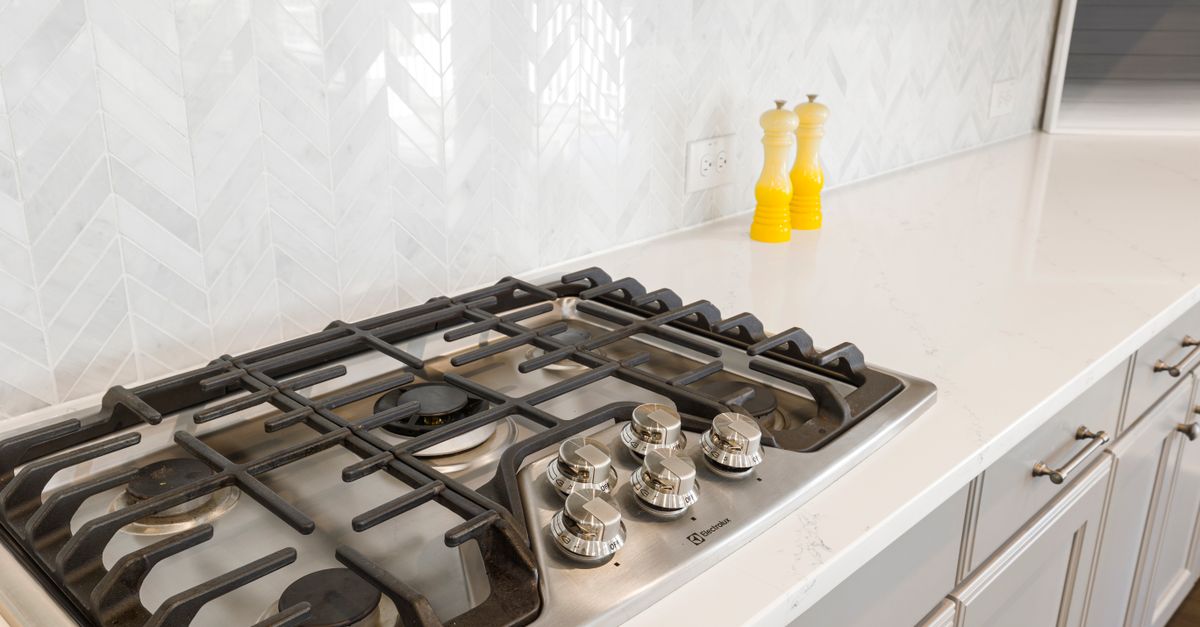
For gas grate grates, removing them and soaking in hot, soapy water is usually faster than scrubbing in place. Grease that has baked on through several cooking sessions sometimes needs a brief soak in a diluted degreaser.
For the backsplash and surrounding walls, a spray of diluted dish soap and a wipe-down immediately after cooking is enough in most kitchens. Painted walls and tile grout both accumulate grease invisibly over time, and a weekly wipe prevents that buildup from becoming a deep-clean project.
For the greasy pan itself once the bacon is done, Remove Grease & Burnt-On Food from Cookware — No Scrubbing will save you from scrubbing burnt bits later.
Frequently Asked Questions
Does adding water to the pan really reduce splatter?
Adding a small amount of water to a cold pan before the bacon goes in is a technique some cooks use. The water slows the initial rendering, which can reduce early spattering. However, as the water evaporates it can also cause its own popping as it hits the hot fat. Results vary depending on pan size, bacon thickness, and heat level, so it is worth trying once to see if it suits your setup.
Is it safe to leave the splatter screen on for the whole cook?
Yes, a splatter screen is designed to stay on the pan throughout cooking. Just check that the handle does not rest over an open flame if you are using gas, and use a cloth or oven mitt when moving it because the rim and mesh become hot.
Why does thick-cut bacon splatter more than regular bacon?
Thicker slices hold more moisture and more fat. Both contribute to greater spattering. Thicker bacon is also often cooked at higher heat to get the center done before the edges overcook, which compounds the problem. Lowering heat and patting dry matters more with thick cuts than with standard-cut strips.
Can cooking spray make the splatter worse?
Yes. Adding cooking spray to a pan that is already going to render a significant amount of fat simply increases the total fat volume in the pan. Bacon produces enough fat on its own that it needs no additional oil or spray, and the added liquid can increase popping.
Does a range hood actually help with grease cleanup?
It helps with airborne grease particles and smoke, both of which settle on surfaces over time. A range hood or exhaust fan does not stop stovetop splatter, but it reduces the fine mist that coats cabinets and the underside of overhead shelving. Using it on medium or high during cooking and cleaning the filters regularly keeps it effective.
If splattered grease has already made its way onto nearby surfaces, How to Remove Grease Buildup from Kitchen Cabinets explains how to tackle the residue that settles there over time.