Cooking Mussels Safely at Home
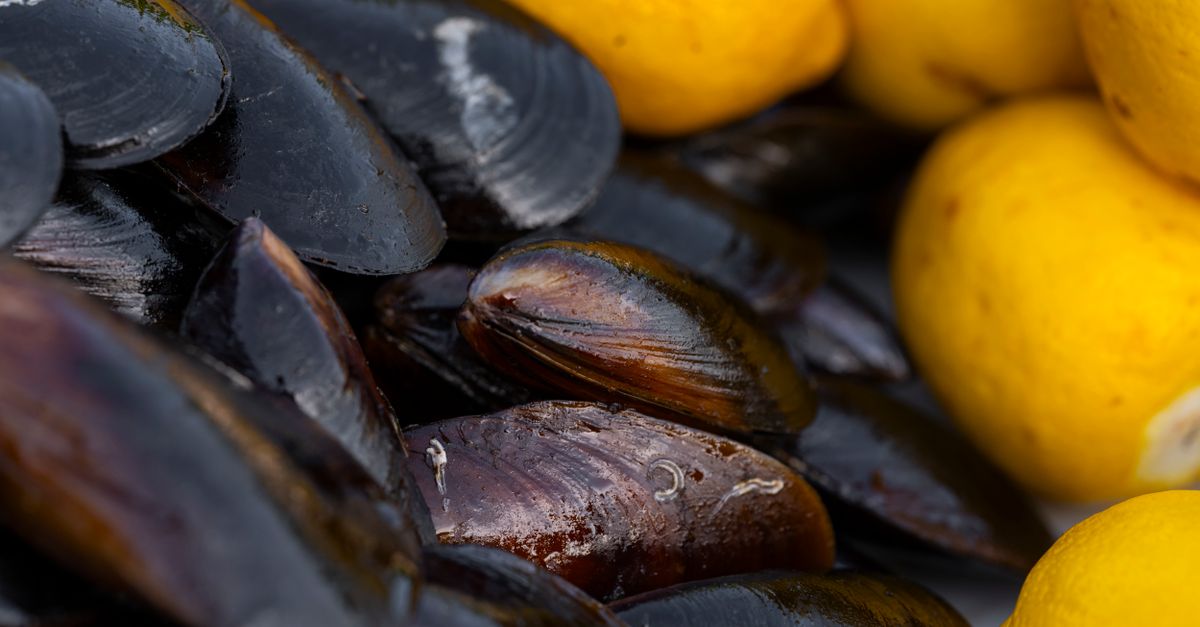
Mussels are one of the faster seafood dinners you can pull off on a weeknight, but they do demand a little more care than, say, a chicken breast. The window between perfectly cooked and food-safety problem is narrow, and the signs that tell you a mussel is safe to eat are worth knowing before you buy your first bag.
Buying Mussels That Are Safe Before You Even Start
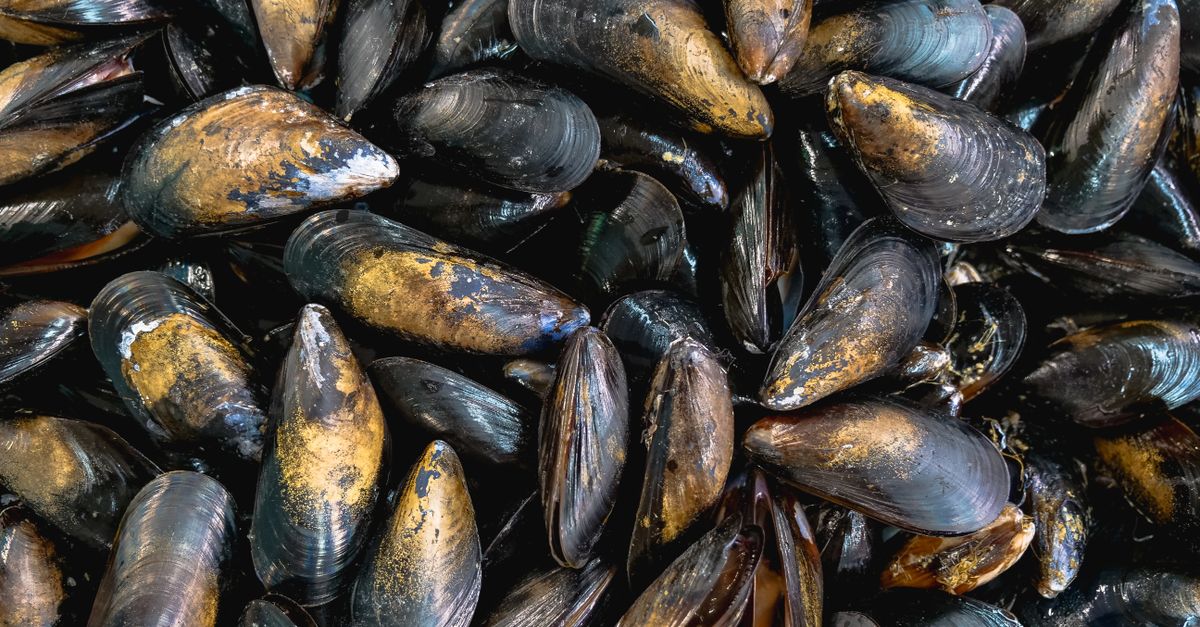
The safety of the dish is mostly decided at the fish counter. Live mussels should smell clean and briny, like the sea, not sulfurous or strongly fishy. Shells should be tightly closed, or they should snap shut when you tap them lightly on the counter. Any mussel that stays open after a firm tap is dead and should be discarded before cooking.
A few practical buying points:
- Smell first: A sour or ammonia smell is a clear reject.
- Check for cracks: A cracked shell is a route for bacteria and means the mussel’s protection is gone.
- Buy from a reputable source: Look for a tag or label showing the harvest location and date. In most countries, shellfish must carry a health tag traceable to a licensed harvesting area.
- Keep them cold on the way home: Tuck them in a bag with ice or an ice pack, especially on a warm day.
Storing Raw Mussels at Home
Once you’re home, mussels need to breathe and stay cold. Unlike fish fillets, they are still alive and will die quickly if sealed in a plastic bag with no air.
Transfer them to a bowl, cover with a damp cloth or damp newspaper, and refrigerate. Do not submerge them in fresh tap water — it will kill them. Most mussels bought fresh from a good source will stay viable refrigerated for one to two days. Aim to cook them on the day you buy them if you can.
Discard any mussel that opens on its own in the fridge and does not close when tapped.
Cleaning Mussels Before Cooking
Cleaning is quick but not optional. It removes grit, barnacles, and the fibrous “beard” (the byssus threads the mussel uses to attach to surfaces).
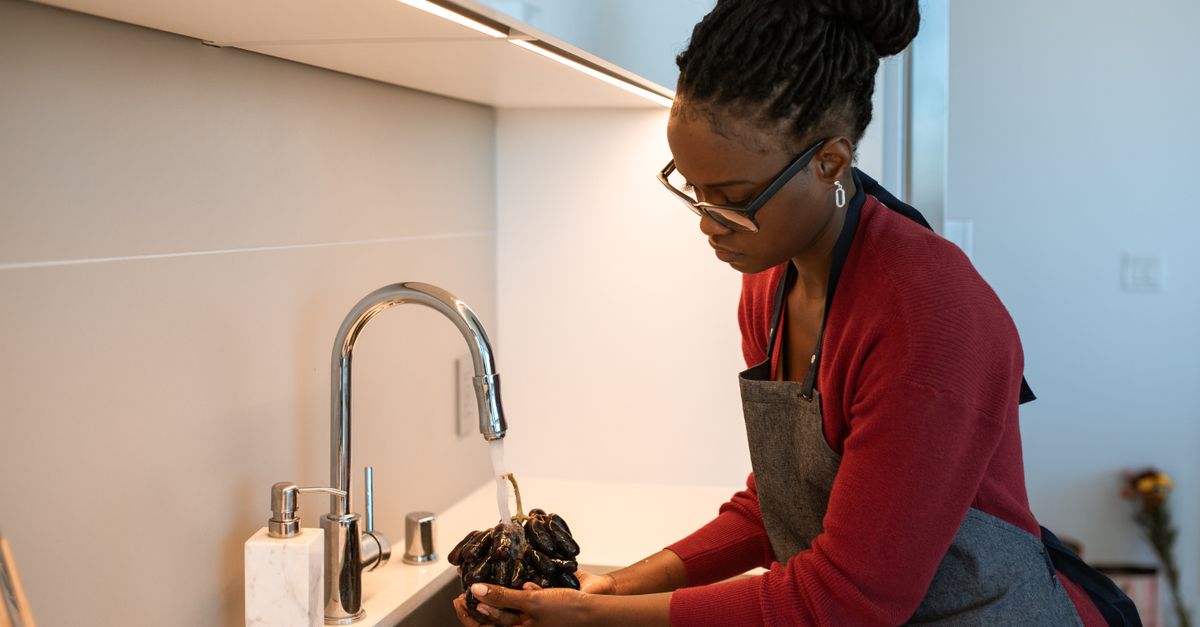
- Rinse under cold running water: Scrub each shell with a stiff brush or the back of a knife if there is heavy grime.
- Pull off the beard: Grip it between your thumb and the blade of a paring knife and pull firmly toward the hinge end of the shell. Pulling toward the opening can kill the mussel before cooking.
- Sort as you go: Use this step for one final check. Any mussel that is unusually heavy (packed with mud), cracked, or still gaping gets discarded.
Clean mussels only just before cooking. Debearding kills them, so a debearded mussel sitting in the fridge for hours is already deteriorating.
Cooking Mussels to a Safe Temperature
The standard test for doneness is the one you have probably heard: mussels are cooked when their shells open. That is broadly true, but it needs unpacking.
Steaming or simmering is the most common method at home. A typical approach:
- Heat a wide, heavy pot over a high flame.
- Add a splash of liquid (wine, beer, stock, or water) and aromatics if you like.
- Tip in the cleaned mussels, put the lid on, and let them steam for 3 to 5 minutes, shaking the pot once or twice.
- Check when most shells have opened. Give stragglers another minute.
- Remove opened mussels as they finish if you want to avoid overcooking early openers.
The internal temperature of a fully cooked mussel reaches at least 63°C (145°F), which is the threshold for cooked mollusks under most food safety guidelines. You won’t usually probe a mussel with a thermometer, so the open-shell rule is the practical proxy — but it is worth understanding that a mussel can technically open at a lower temperature if the adductor muscle is weak. Shaking the pot partway through, and keeping the lid on to maintain consistent steam, reduces that variability.
What about mussels that don’t open? The old advice is to throw away any mussel that stays shut after cooking. This is still the safest guideline, and most food safety authorities agree. A shell that doesn’t open may simply have a very strong adductor muscle, but there’s no reliable way to tell that from one that was dead to begin with. When in doubt, skip it.
Four Common Mistakes That Cause Problems
Cooking dead mussels. The most serious risk. If a mussel was already dead when it went into the pot, it can harbor bacteria that cooking may not fully neutralize, particularly if it died some time before you cooked it. The discard-if-it-won’t-close-when-tapped rule at the buying and prepping stage exists for this reason.
Using too small a pot. Mussels need room to open. In a crowded pot, shells on the bottom can overcook while those on top never get enough heat. Use the largest pot you have, or cook in two batches.
Lifting the lid constantly. Every time you lift the lid you drop the temperature and extend the time. A tight-fitting lid and a high flame get mussels done fast.
Leaving cooked mussels at room temperature too long. Cooked shellfish left out for more than two hours enters a zone where bacterial growth becomes a real risk. Refrigerate leftovers promptly and eat them within a day.
What to Do With Leftovers
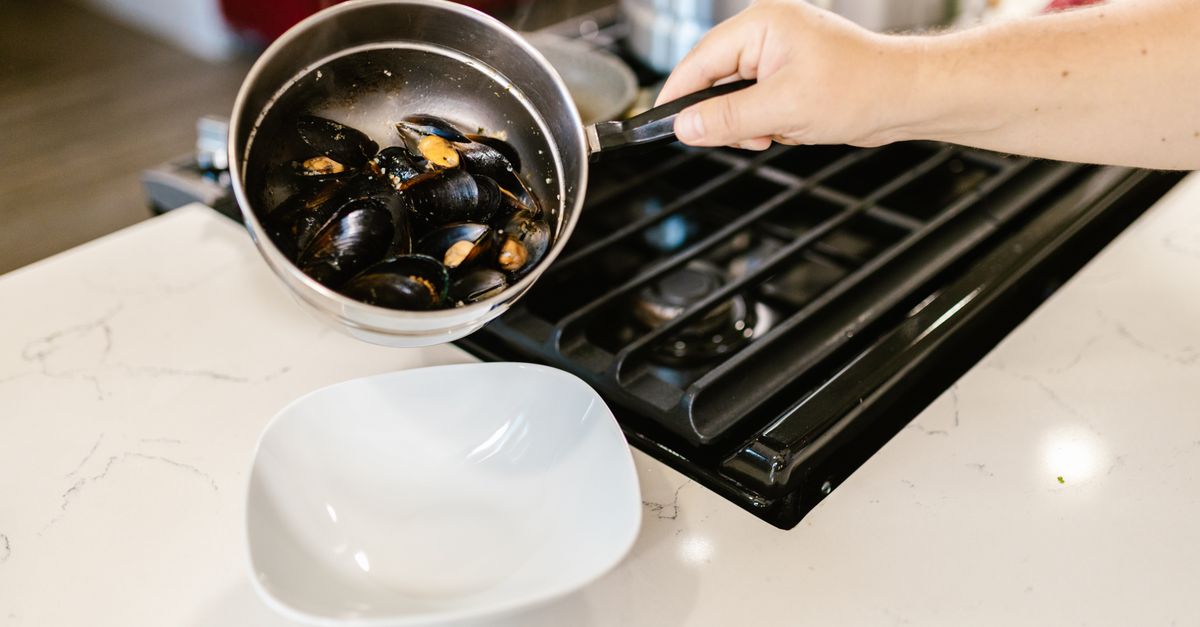
Leftovers are best eaten within 24 hours. Reheat thoroughly — to steaming hot throughout — rather than just warm. Mussels don’t reheat gracefully, so some cooks prefer to remove the meat from the shell before refrigerating and add it to a pasta sauce or soup the next day, where it can be heated through in the liquid.
Do not reheat mussels more than once.
Frequently Asked Questions
Can you eat a mussel that doesn’t open after cooking?
The safe answer is no. A mussel that stays closed after thorough cooking cannot be verified as safe — it may have been dead before it went in the pot. The small chance that it is simply a stubborn but healthy mussel is not worth the risk.
Is it safe to eat mussels raw?
Raw mussels carry a real risk of norovirus, Vibrio bacteria, and other pathogens, especially if harvested from water that is not certified for shellfish. Cooking to an internal temperature of at least 63°C (145°F) eliminates most of those risks. People who are pregnant, elderly, immunocompromised, or very young should avoid raw shellfish entirely.
How do you know if a mussel has gone bad before cooking?
A bad mussel usually gives itself away: a strong, unpleasant smell (sulfurous, sour, or ammonia-like), a shell that won’t close when tapped, or an unusually slimy texture. Any one of those signs is enough to discard it.
Can you cook mussels from frozen?
Frozen mussels (usually sold pre-cooked and frozen on the half shell or shucked) are a different product. They just need reheating rather than full cooking. Follow the package instructions, heat until steaming throughout, and serve promptly. Don’t mistake them for a substitute for fresh live mussels in a recipe that depends on the steam-opening process.
How long do leftovers keep in the fridge?
Cooked mussels should be refrigerated within two hours of cooking and eaten within one day for best safety and quality. After that, discard them.
Sources
- https://www.foodsafety.gov/food-safety-charts/cold-food-storage-charts
- https://www.foodsafety.gov/keep-food-safe/4-steps-to-food-safety
- https://www.food.gov.uk/safety-hygiene/chilling
- https://www.food.gov.uk/safety-hygiene/cooking-your-food
- https://www.who.int/news-room/fact-sheets/detail/food-safety