Pet Odors in Carpet: Natural Fixes That Last
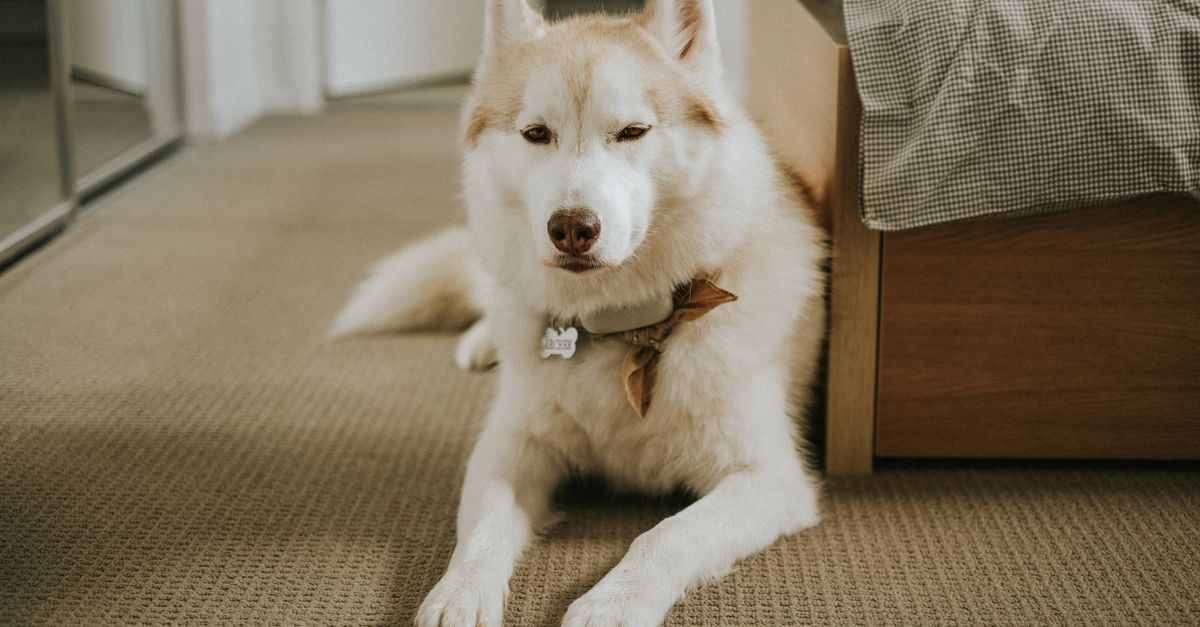
If your carpet still smells like dog after a thorough vacuum, you are dealing with something deeper than surface dirt. Pet urine, dander, and body oils soak past the fiber pile into the backing and sometimes the pad beneath — which is exactly why a quick spray-and-blot rarely solves it. The good news is that a handful of kitchen and pantry staples, applied the right way, can genuinely neutralize odor at the source rather than masking it.
Why Pet Odors Anchor Themselves in Carpet
Urine is the main culprit, and its chemistry explains why it’s so stubborn. Fresh urine is acidic, but as it dries, bacteria break down the urea into ammonia — alkaline and sharp-smelling. Over time, the waste continues to change into uric acid salts, which bond tightly to carpet fibers and re-activate whenever humidity rises. That musty, eye-watering flare-up on a rainy day isn’t coincidence.
Dander and body oils add a secondary layer — a low, “lived-in” animal smell that accumulates invisibly between washes. Addressing both types takes slightly different tactics.
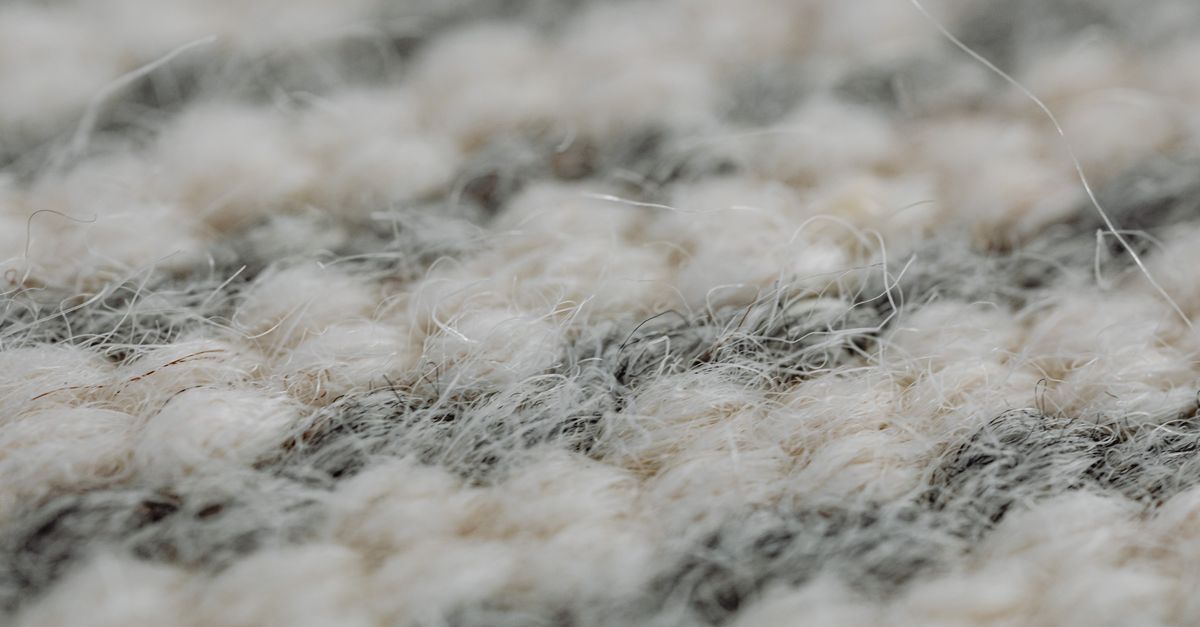
Tackling Fresh Urine: Act Fast, Act Correctly
Speed matters more than the product you use. The goal in the first few minutes is to remove as much liquid as possible before it migrates deeper.
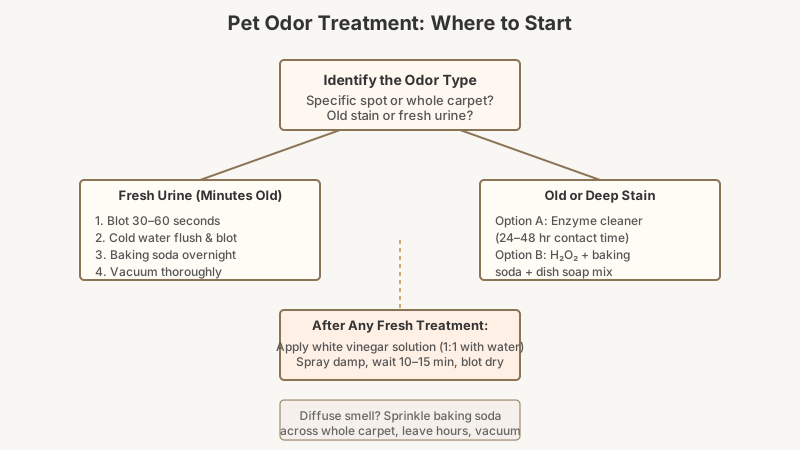
1. Blot, never scrub. Press a thick folded towel firmly onto the wet spot and stand on it for 30–60 seconds. Repeat with dry sections of the towel. Scrubbing spreads the stain and pushes urine further into the pile.
2. Cold water flush. Pour a small amount of cold water over the area, then blot again. This dilutes the remaining urine without activating the heat-sensitive proteins the way hot water would.
3. Baking soda application. Once the area is as dry as you can get it by blotting, sprinkle a generous layer of baking soda over the spot. Baking soda (sodium bicarbonate) is mildly alkaline and absorbs residual moisture while neutralizing acidic compounds. Leave it for at least a few hours — overnight is better.
4. Vacuum thoroughly. Remove all the powder before moving to the next step.
White Vinegar Solution
Mix equal parts white distilled vinegar and cold water in a spray bottle. Vinegar’s acidity (around pH 2–3) helps dissolve the alkaline ammonia compounds that form as urine dries. Spray the spot until damp — not saturated — and let it sit for 10–15 minutes, then blot dry. The vinegar smell dissipates within a few hours as it dries, taking much of the pet odor with it.
Note: the acid-plus-base reaction between vinegar and baking soda produces mostly water and CO₂ — it looks dramatic but offers less cleaning benefit than applying each one separately. Use vinegar first, let it dry, then apply baking soda if you want to layer both treatments.
Deep-Set and Old Stains: Raising the Intensity
If the stain is old or you can still smell it after the basic treatment, the uric acid salts have already bonded to the fibers. Two natural approaches work here, though results vary depending on how deeply the urine penetrated:
Enzyme-Based Cleaners (The Natural Science Option)
These are worth understanding separately because they work on a fundamentally different principle than baking soda or vinegar. Enzyme cleaners contain bacteria that produce protease, urease, and lipase enzymes, which literally digest the organic compounds — uric acid, proteins, fats — that cause the smell. They are not synthetic chemicals; the active agents are biological and biodegradable.
For severe or repeated accidents in the same spot, an enzyme cleaner is often the most effective natural-science solution available. Apply generously (the product needs to reach as deep as the urine did), cover with a damp towel to slow drying, and allow 24–48 hours of contact time. Rushing this step is the most common reason the odor returns.
Hydrogen Peroxide and Dish Soap
For stubborn surface-level staining and odor, a mix of 3% hydrogen peroxide (the drugstore concentration), a teaspoon of baking soda, and two or three drops of unscented dish soap can work well. Apply to the stain, let it fizz for a few minutes, then blot dry.
Two cautions: First, 3% hydrogen peroxide can lighten some carpet dyes — test in an inconspicuous corner first. Second, do not store this mixture in a sealed bottle; the gas produced can build pressure. Mix it fresh each time.
General Dander and Body-Oil Smell: The Whole-Carpet Approach
When the smell is diffuse rather than tied to a specific spot, a whole-room treatment works better than spot treatment.
Dry baking soda deodorizing: Sprinkle baking soda lightly but evenly across the entire carpet. Use a soft-bristled broom or your fingers to work it gently into the pile so it reaches the base of the fibers. Leave it for at least two hours — some people leave it overnight and find the improvement more noticeable. Vacuum slowly in overlapping passes; a high-suction setting picks up the powder more thoroughly.
Ventilation: Often underestimated. Open windows and run fans during and after any wet treatment. Moisture trapped in carpet backing is itself a source of musty smell and encourages mold, which compounds the pet odor problem.
Activated charcoal sachets: Small pouches of activated charcoal placed near (not on) the carpet in poorly ventilated areas passively absorb airborne odor molecules over days and weeks. They don’t remove odor from inside the carpet fiber itself, but they reduce the ambient smell noticeably, particularly in rooms with low airflow.
If pet odor has settled into your sofas and cushions too, How to Remove Pet Hair from Furniture: Quick Fixes For Fabric offers a quick companion strategy for fabric surfaces.
Prevention: Keeping Odor from Rebuilding
Natural treatments work best when they aren’t constantly fighting fresh deposits. A few habits shift the balance:
- Treat accidents within minutes, not hours. The difference in how deeply urine penetrates after 5 minutes versus 30 is significant.
- Use waterproof carpet runners in areas where pets sleep or spend most of their time. Machine-washable runners take the punishment and protect the carpet underneath.
- Groom pets regularly. Bathing and brushing reduce the dander and body oil load that settles into carpet fibers between cleanings. How much this helps varies by breed and coat type, but it consistently makes a difference in homes where pet smell is chronic.
- Steam clean periodically. A steam cleaner (no chemicals required) uses heat and vapor to loosen embedded oils and kill odor-causing bacteria deep in the pile. Renting one two or three times a year costs far less than replacing carpet.
Since body oils and dander are a major source of ongoing odor, keeping up with How to Bathe a Dog at Home: Skip The Grooming Bill Forever can meaningfully reduce how often you need to treat the carpet at all.
Frequently Asked Questions
Does baking soda actually neutralize pet urine odor, or just cover it?
Baking soda genuinely absorbs odor rather than just masking it. It reacts with acidic smell compounds to neutralize them, and it also absorbs moisture that carries volatile odor molecules. That said, it works best on fresh or lightly set stains; for old, deep deposits, you’ll likely need an enzyme cleaner alongside it.
Is white vinegar safe for all carpet types?
Vinegar is generally safe for synthetic carpets (nylon, polyester, olefin). Natural fiber carpets — wool in particular — can be damaged by acidic solutions, so test in a hidden area first and use it diluted (at minimum 1:1 with water). If you’re unsure of your carpet’s fiber type, enzyme cleaner is the lower-risk choice.
How do I know if the urine reached the carpet pad?
A spot that keeps smelling after thorough treatment likely has urine in the pad. You can confirm by peeling back the carpet at the edge of the room and checking whether the pad shows a stain or smell at the corresponding location. If the pad is saturated, surface treatments alone won’t fully eliminate the odor — professional extraction or pad replacement may be necessary.
Can I use essential oils to remove the smell?
Essential oils mask odor rather than neutralize it. They can leave residue in the fiber and — particularly oils like tea tree oil — can be toxic to cats and dogs even in small amounts. They’re better avoided in homes with pets.
How often should I deodorize with baking soda?
For households with multiple pets or ongoing accidents, a light baking soda treatment every two to four weeks keeps the background smell from building up. This is more maintenance than deep treatment — think of it as part of your regular cleaning routine rather than a fix for a crisis.
Putting It Together
The most effective natural approach to pet odors in carpet isn’t one miracle product — it’s sequencing: blot fast, flush with cold water, apply vinegar or baking soda to neutralize what remains, and reach for an enzyme cleaner when the problem is old or deep. Ventilation and periodic steam cleaning do the long-term maintenance work that spot treatments can’t.
None of this is complicated, and the materials cost almost nothing. The single biggest factor, in practice, is how quickly you catch an accident and how much contact time you give each treatment.