Sourdough Discard Recipes: Making Every Drop Count
What Is Sourdough Discard — and Why Cook With It?
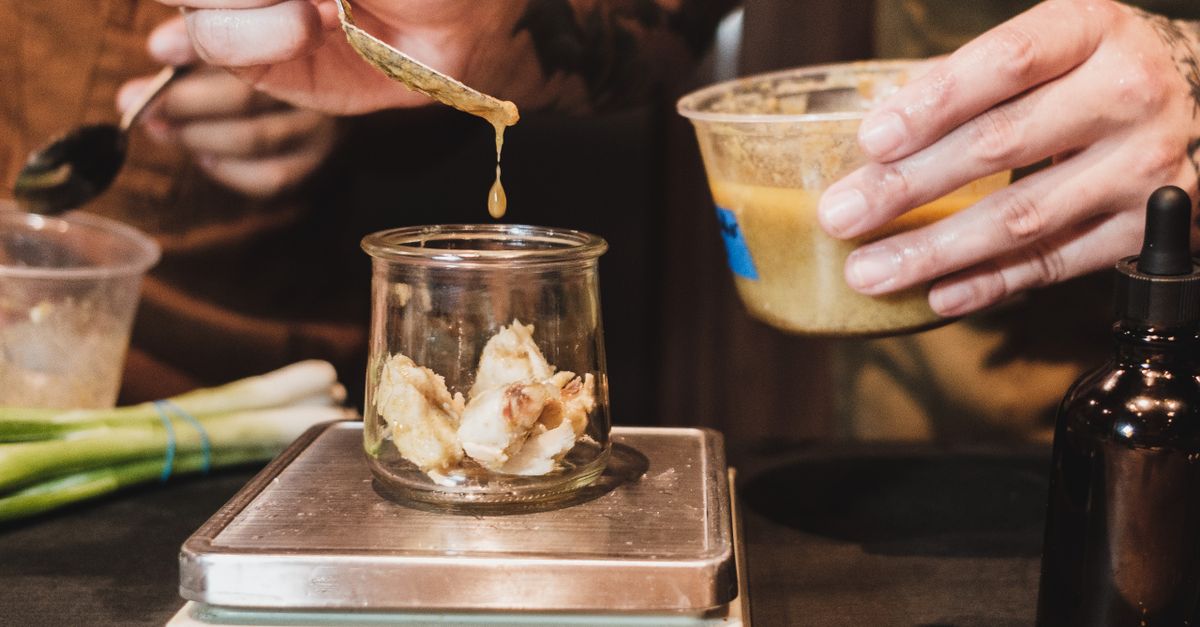
Every time you feed a sourdough starter, you remove a portion before adding fresh flour and water. That removed portion is sourdough discard. Left on its own, it smells faintly sour, looks a little grey around the edges, and most people either dump it down the drain or feel vaguely guilty about it.
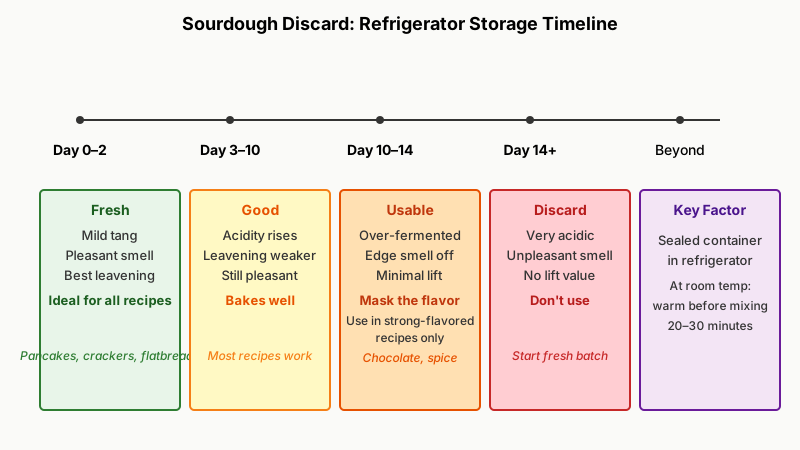
They shouldn’t. Discard is still alive with wild yeast and lactic acid bacteria, and it carries real flavor — a mellow tang that baking soda or buttermilk can mimic but never quite replicate. The catch is that discard past a day or two has weakened leavening power, so it won’t reliably raise a loaf of bread on its own. That’s actually its best feature in the kitchen: it’s best suited to recipes that call for additional leavening agents (baking powder, baking soda, commercial yeast), where its job is flavor and moisture rather than lift.
Discard keeps in the fridge for up to two weeks in a sealed container. Beyond that the acidity increases significantly and the smell becomes noticeably unpleasant. Most refrigerated discard through the 10-day mark bakes well; older batches are fine in recipes with strong flavors like chocolate or spice that mask any over-fermented edge.
If you’re not yet maintaining a starter at all, How to Bake Sourdough Bread from Scratch: One Living Starter, No Yeast walks you through creating the living culture that produces the discard these recipes rely on.
The Core Rules Before You Start
Before diving into specific recipes, a few practical points will save you ruined batches:
Hydration affects everything. Most home starters run at 100% hydration (equal weights flour and water). If yours is stiffer (80% hydration) or more liquid (125%), the batter or dough will behave differently. Treat the discard as part of your wet ingredients and adjust flour or liquid slightly if the texture is off.
Acidity is a rising agent activator. The lactic and acetic acids in discard react with baking soda just like buttermilk does, which means in recipes calling for baking soda you often get a more vigorous rise than you’d expect. Start with slightly less baking soda than a comparable standard recipe and add a pinch more if needed.
Room temperature discard moves faster. Cold discard straight from the fridge disperses unevenly in batters. Give it 20–30 minutes on the counter before mixing.
Scale by weight when possible. A cup of discard can weigh anywhere from 200 g to 260 g depending on hydration and how it’s scooped. Weighing removes the variable entirely.
Quick Weekday Recipes (30 Minutes or Less)
Sourdough Discard Pancakes
This is the gateway recipe and for good reason — it’s genuinely better than standard pancakes when the discard is fresh. Combine 200 g discard with one egg, 15 g melted butter, 5 g sugar, and a pinch of salt. Stir in ½ tsp baking soda (not baking powder — the acidity handles the reaction). Cook on a lightly greased medium pan.
The key difference from standard pancake batter: don’t overmix, and let it rest for 3–4 minutes after mixing so the baking soda has time to activate against the acid. The pancakes puff up more dramatically than a plain mix and have a faint sourness that works especially well with maple syrup or fruit compote.
For thinner crêpe-style results, thin the batter with a splash of milk until it just coats the back of a spoon.
Sourdough Discard Crackers
Mix 150 g discard with 25 g melted butter or olive oil, a generous pinch of salt, and whatever seasoning you want (sesame seeds, rosemary, smoked paprika, everything bagel mix). Spread thinly on a parchment-lined sheet — as thin as you can manage, ideally 1–2 mm. Score into rectangles before baking.
Bake at 175 °C (350 °F) for 20–25 minutes, checking the edges after 18 minutes since they brown faster than the center. These are crisp, shatteringly thin, and genuinely shelf-stable for several days in an airtight container. The tang pairs well with sharp cheddar, hummus, or soft cheeses.
Sourdough Discard Flatbreads
Combine 150 g discard with 75 g all-purpose flour, a pinch of salt, and a drizzle of oil. Knead briefly, rest for 10 minutes, then roll thin and cook on a dry cast-iron pan over medium-high heat, about 1–2 minutes per side. The result is a pliable, slightly charred flatbread that’s excellent as a wrap or alongside soups and dips. Unlike a yeasted flatbread, there’s no rise time — the discard just adds flavor and a slight chew.
Baked Goods Worth Planning Ahead
Sourdough Discard Banana Bread
Banana bread is already forgiving; adding discard makes it remarkable. Use 100 g discard in place of the sour cream or yogurt that many banana bread recipes call for — or substitute it for 100 g of a ripe banana if you have an extra banana’s worth of tang to trade for fruit sweetness. The crumb becomes slightly denser but more complex.
One thing to watch: the additional acidity from discard means the bread can over-brown before the center is set. Tent the loaf with foil after 35 minutes and rely on a skewer or instant-read thermometer (internal temp around 93–95 °C / 200–205 °F) rather than color to judge doneness.
Sourdough Discard Waffles
For waffles with real depth, build an overnight batter: combine 240 g discard, 240 g all-purpose flour, 30 g sugar, 60 g melted butter, and 360 ml milk the night before. Cover and refrigerate. In the morning, stir in 2 eggs, 1 tsp baking powder, ½ tsp baking soda, and a pinch of salt. The overnight fermentation continues at low speed in the fridge, deepening flavor without over-proofing.
Waffle irons vary enormously in temperature and plate design, so the first waffle is always a test — it’s okay. By the second or third the timing stabilizes. These freeze well; reheat directly from frozen in a toaster to restore crispness.
Sourdough Discard Chocolate Cake
Discard in chocolate cake sounds unusual until you realize that chocolate is naturally acidic and sourdough amplifies that. Replace 100–150 g of the buttermilk or coffee in your standard chocolate cake recipe with the same weight of discard. The result doesn’t taste sour — the chocolate masks any fermented notes — but the crumb is noticeably more tender and moist, likely because the acids in the discard interact with the gluten network and keep it softer.
This works especially well in a dense, fudgy brownie-adjacent cake. In a lighter, fluffier style the texture can be slightly gummy if you add too much discard, so stay closer to 100 g for delicate recipes.
Sourdough Discard Pizza Dough
Combine 200 g discard with 300 g bread flour, 5 g salt, 1 tsp instant yeast, and 160 ml water. Mix until shaggy, then rest for 30 minutes. Knead until smooth (about 8 minutes by hand), bulk ferment at room temperature for 2 hours, then refrigerate overnight. The discard contributes flavor while the commercial yeast handles reliability.
Cold-fermented discard dough is noticeably easier to stretch than same-day dough, and the edge crust blisters well in a hot oven. Bake at the highest temperature your oven reaches — 250 °C / 480 °F or higher — ideally on a preheated stone or steel.
Savory Applications That Deserve More Attention
Discard in Tempura or Fritter Batter
Thin 100 g of discard with 50 ml cold sparkling water, a pinch of salt, and optionally a tablespoon of rice flour for extra crispness. Use immediately as a dipping batter for vegetables (onion rings, courgette slices, shiso leaves) or fish. The carbonation from the sparkling water and the light acidity from the discard both help the batter stay light rather than gummy. Keep everything cold.
Discard in Bread Crumbs and Coating
A less obvious one: mix discard into a wet coat for fried or oven-baked chicken or tofu. Combine 100 g discard with a beaten egg and a pinch of salt, use it as the wet stage before dredging in seasoned breadcrumbs. The acid in the discard acts similarly to a buttermilk marinade — it begins to break down the outer protein layer and helps the crust adhere and brown more evenly.
For more ways to turn leftover bread into a crunchy coating, Homemade Breadcrumbs: A Complete Guide to Every Type rounds out the techniques beyond what discard alone can do.
Sourdough Discard Soup Thickener
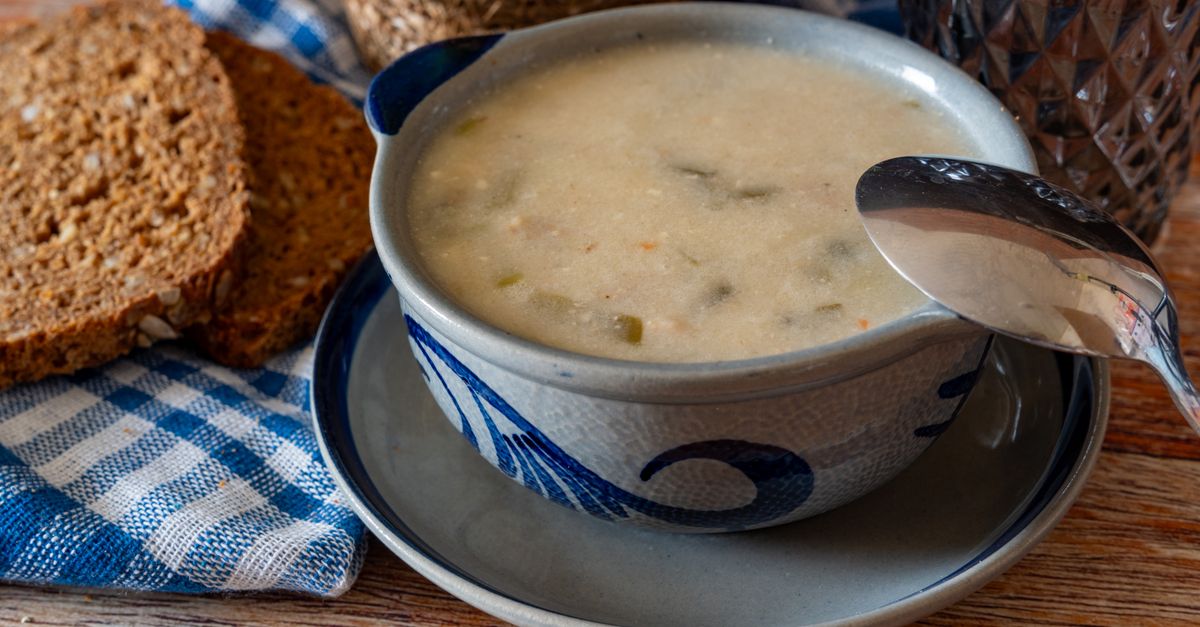
Stir 2–3 tablespoons of discard into a potato, leek, or tomato soup during the last five minutes of cooking (do not boil vigorously once it’s in). It adds body and a subtle sharpness that reduces the need for cream. This is an old-world technique with roots in Eastern European cooking, where nothing from the fermentation crock went to waste.
Storing and Scaling Your Discard
If you bake less than you feed, discard accumulates quickly. A few strategies:
- Freeze it in portions. Measure 100–200 g portions into zip-lock bags or silicone molds, freeze flat, and defrost in the fridge overnight as needed. Frozen discard thaws back to nearly the same performance as fresh.
- Skip a feeding. If you’re not baking bread for a week, store the whole starter in the fridge unfed. It will need one or two feeds to become active again, but you’ll reduce waste substantially.
- Share it. A small jar of active discard with a note about what to do with it is a genuinely useful gift — far more welcome than it sounds.
- Scale recipes up. Most discard recipes scale linearly; making a double batch of crackers or pancake batter takes almost no extra effort and can feed a crowd or be frozen.
Frequently Asked Questions
Can I use sourdough discard straight from the fridge without bringing it to room temperature?
You can, but cold discard mixes unevenly into batter and can cause streaks of unactivated baking soda. Give it 20–30 minutes on the counter first for more consistent results, especially in delicate recipes like cakes.
How old is too old for sourdough discard?
Discard stored in the fridge is generally usable for up to 10–14 days. Beyond that the acidity increases to a point where it can interfere with leavening and produce an off, almost acetone-like smell. Taste a small amount: if it’s aggressively sour or unpleasant, composting it is the right call.
Does sourdough discard have health benefits compared to regular flour?
The fermentation process does reduce some of the phytic acid in flour, which can improve mineral absorption — but by the time discard reaches your fridge, the microbiological activity has slowed considerably. Claims about significant probiotic benefits from cooked discard are unsupported; baking kills the bacteria. The modest nutritional difference from phytate reduction is real but unlikely to be clinically meaningful in the quantities most people consume.
Can I substitute discard 1:1 for buttermilk or yogurt in any recipe?
Generally yes, as a weight-for-weight swap, though the texture will vary slightly based on the discard’s hydration. Discard at 100% hydration is thinner than Greek yogurt but thicker than buttermilk — expect to adjust liquid slightly. The acidity level is broadly comparable, so leavening reactions should still work.
Why do my discard pancakes sometimes come out flat?
Usually one of three things: the discard is very old and highly acidic (it has already exhausted the baking soda reaction before the pancake hits the pan), the batter was overmixed, or the pan wasn’t hot enough when the batter went in. Test the pan with a drop of water — it should skitter and evaporate immediately. Add batter only when the pan is properly up to temperature.