Winter Window Condensation: Why It Keeps Coming Back

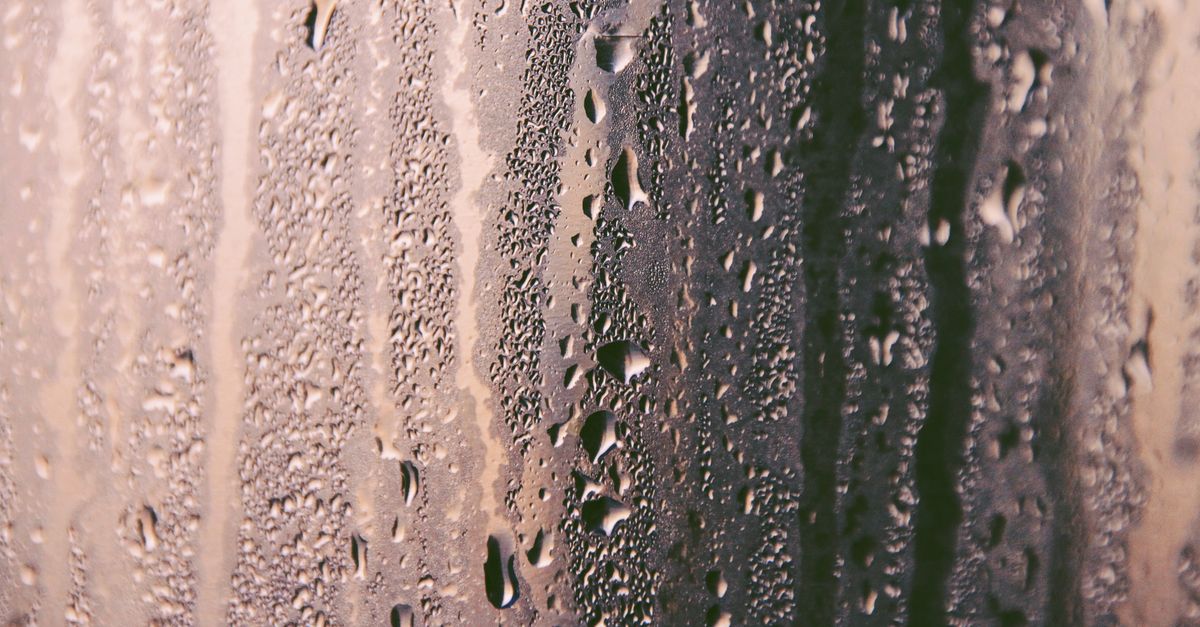
Condensation forms on the inside of windows because warm, humid indoor air contacts cold glass and drops below its dew point. The moisture has to go somewhere, and it settles on the coldest surface it finds. Understanding that simple physics is what makes the fixes stick, because almost every solution works by attacking one of those two variables: less humidity inside, or warmer glass.
Why Indoor Condensation Gets Worse in Winter
Outdoor cold cools window glass well below room temperature. Meanwhile, indoor humidity stays elevated for dozens of mundane reasons: cooking, showering, breathing, houseplants, wet laundry drying on a rack, even a gas cooker produces water vapor as a byproduct of combustion. The colder the outdoor air, the harder the glass chills, and the smaller the indoor-outdoor temperature gap needed to trigger condensation. In genuinely cold climates, even moderate indoor humidity is enough to fog up single or older double-pane windows.
The situation tends to escalate in winter because homes are sealed tighter for warmth, cutting off the natural air exchange that would carry moisture outside. New-build homes with high airtightness standards often show more condensation problems than draughty older houses, for exactly this reason.
How Much Humidity Is Actually Too Much?
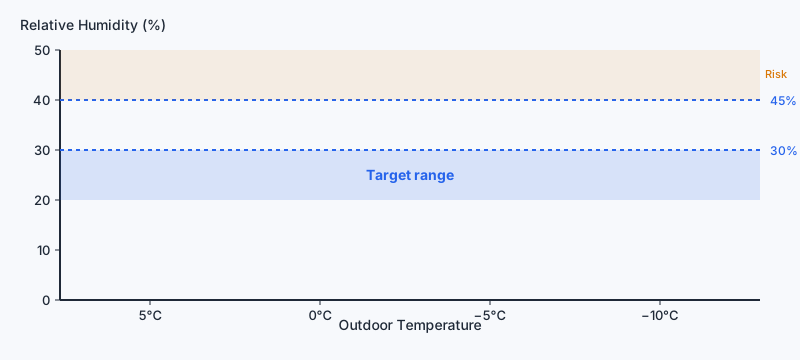
Keeping indoor relative humidity below the level at which your windows will condense is the core goal, but the right target shifts with outdoor temperature. A window that stays dry at 45% relative humidity when it is 5°C outside may fog up at the same humidity if temperatures drop to minus 10°C, because the glass gets colder still.
As a practical rule of thumb widely repeated by building scientists, aim to keep indoor relative humidity somewhere in the range of 30–45% during cold weather. If your outdoor temperature is consistently severe, erring toward the lower end of that range reduces risk. A hygrometer (an inexpensive humidity meter) placed in the worst-affected room gives you an actual reading to work with rather than guesswork. The key is to measure, then act — not assume.
Ventilation: The Fastest Way to Remove Excess Moisture
Ventilation removes moist indoor air and replaces it with drier outdoor air. Opening a window briefly after cooking or showering (even five to ten minutes) flushes out a large spike in humidity before it has time to settle on glass elsewhere in the house. Trickle vents built into window frames serve the same purpose continuously, and are worth opening a notch in winter rather than sealing shut.
Extractor fans in kitchens and bathrooms are the workhorses here. Run the kitchen extractor fan during cooking and leave it running for several minutes after you finish — steam lingers well after the hob is off. Bathroom fans should run during and for at least ten to fifteen minutes after a shower. If your fans are weak, noisy, or old, upgrading them is one of the higher-impact changes you can make.
In bedrooms, closed doors trap the moisture exhaled overnight. A small gap at the bottom of a bedroom door, or a background vent in the room, allows air to circulate toward the rest of the house and its ventilation pathways.
Reducing Moisture at Its Sources
Ventilation is more effective when you also tackle where the humidity comes from in the first place.
Cooking and washing: Use lids on pots and pans to keep steam in the food rather than the room. Dry clothes outdoors or in a vented tumble dryer if at all possible. Clothes dried on indoor racks can add a significant amount of moisture to a room over several hours. If indoor drying is unavoidable, do it in a room with an open window or a dehumidifier running.
Houseplants: Each plant releases water through transpiration. A single plant is unlikely to cause problems, but a large collection in a small, poorly ventilated room contributes meaningfully to humidity. Group them in a well-ventilated space or thin them out through winter.
Unvented gas appliances: Portable gas or paraffin heaters release water vapor directly into the room as they combust. Minimizing their use, or keeping a window cracked while they run, reduces this moisture load.
New builds and fresh plaster: Newly built or recently replastered rooms release a lot of moisture as they cure. This is a temporary problem — typically most pronounced in the first heating season — but ventilating those rooms heavily and using a dehumidifier accelerates the drying process.
Dehumidifiers: When Ventilation Alone Is Not Enough
A dehumidifier actively pulls moisture from the air by passing it over a cold coil (refrigerant type) or a desiccant wheel. The result is collected as water and needs to be emptied, or can be plumbed to drain automatically.
Refrigerant dehumidifiers work efficiently at room temperatures above roughly 15°C; below that, they become less effective and can ice up. Desiccant models work at lower temperatures and are often a better match for poorly heated rooms, garages, or utility spaces. Matching the machine to the room size matters: an undersized unit will run constantly without adequately dropping humidity, while an oversized one cycles on and off too quickly to dehumidify deep corners of the room.
Where to place the unit matters nearly as much as which unit you choose: a central position in the room, away from walls and curtains, allows air to circulate through it. Running it on a humidistat setting rather than on a timer avoids either over-drying (which makes the air uncomfortable and static-prone) or under-running.
Warmer Glass: Reducing the Cold Surface
If you raise the surface temperature of the glass itself, the indoor air needs to be even more humid before condensation triggers. This is why double glazing and triple glazing almost always show less condensation than single-pane windows: the inner pane is insulated from the cold outer pane, so it stays closer to room temperature.
Practical steps that warm the glass surface without replacing the windows:
- Keep curtains and blinds open during the day. Heavy curtains trap a pocket of cold air between fabric and glass overnight, chilling the glass further. Opening them when the heating is on allows warm room air to circulate across the pane.
- Position a radiator below the window if possible. The heat rises across the glass and raises its surface temperature. Many period homes were built with radiators under windows for exactly this reason.
- Secondary glazing or window insulation film. A secondary glazing panel — either a rigid acrylic sheet fitted into the reveal, or a thin film stretched over the frame and shrunk with a hair dryer — adds a still-air gap that insulates the inner pane from cold. Results vary by how well the film is sealed at the edges, but a well-fitted film can noticeably reduce condensation and drafts at low cost.

If drafts are also part of your winter discomfort, check out Stop Window Drafts Before Winter Costs You More for ways to seal gaps without trapping in excess moisture.
Rooms That Are Disproportionately Affected
Not every room behaves the same way, and it is worth checking each in turn.
Bedrooms: Two people sleeping in a sealed bedroom exhale considerable moisture overnight. The problem worsens in rooms with poor background ventilation. Leaving a trickle vent or small window gap slightly open overnight is the simplest fix; a desiccant dehumidifier on a low setting can supplement this.
Kitchens: Short, intense humidity spikes from cooking. A well-functioning extractor fan ducted to outside (not recirculating) makes the biggest difference. Recirculating fans remove grease and odors but do not remove humidity.
Bathrooms: Steam from hot showers is the dominant cause. A fan ducted to outside, used consistently, deals with most of it. Leaving the bathroom door closed while running the fan (rather than opening the door and spreading steam throughout the house) keeps the problem contained.
Bay windows and corner panes: These protrude beyond the insulated envelope of the wall and lose heat faster than a standard flat window, making them more prone to condensation even when double-glazed. Extra vigilance with curtains and ventilation applies here.
Loft rooms and rooms below flat roofs: These can suffer from cold bridging at the wall-window junction, where insulation is thin. If condensation appears specifically at window edges rather than across the pane, cold bridging rather than general humidity may be the main cause, and the fix is more involved (improving insulation at that junction).
Frequently Asked Questions
Does condensation on inside windows indicate a serious problem with the windows themselves?
Not necessarily. Condensation on the interior surface is almost always a sign of too much indoor humidity relative to the glass surface temperature, not a defect in the window unit. Condensation between panes (inside the sealed double-glazing unit) is a different problem: it means the hermetic seal has failed and the unit needs replacing. Condensation on the outer surface on cold mornings is normal and harmless.
Will a dehumidifier damage houseplants or wood furniture?
Over-drying air below roughly 30% relative humidity can stress some houseplants and cause wood to shrink or crack over time. Running a dehumidifier on a humidistat set to 40–45% keeps humidity controlled without pushing it into a damaging range. Monitor your readings and adjust.
For more on keeping your greenery healthy through the cold months, see How to Care for Houseplants in Winter: Why January Kills Your Plants.
Should I use anti-condensation paint as a primary fix?
Anti-condensation paints usually contain insulating fillers, such as hollow glass or ceramic microspheres, that keep the painted surface slightly warmer than the wall behind it, and some add absorbent ingredients that hold a little moisture for a while; together these delay the onset of condensation. They are useful on walls and ceilings where condensation leads to surface mold, but they are not designed for glass and are not a substitute for controlling humidity at its source. Treat them as a supplementary measure rather than a solution.
Why does my bedroom get worse condensation than the living room, even though it is the same house?
Moisture produced during sleep (breath, perspiration) accumulates in a closed room all night long without the ventilation that an occupied living room benefits from during the day. The lower overnight heating temperature also chills windows more. Opening a trickle vent or cracking a window slightly overnight is usually enough to reset the balance.
Can simply opening the window solve the condensation problem permanently?
Opening a window is the right instinct and it works quickly in the moment, but it treats the symptom rather than controlling the source. Sustained improvement comes from combining source reduction (cooking lids, vented dryers, extractor fans), background ventilation (trickle vents, fans), and warmer glass (better glazing or heat circulation near the window). Any one measure alone tends to reduce the problem; all three together usually eliminate it.