Yogurt Marinades Make Meat Dramatically Juicier and More Tender
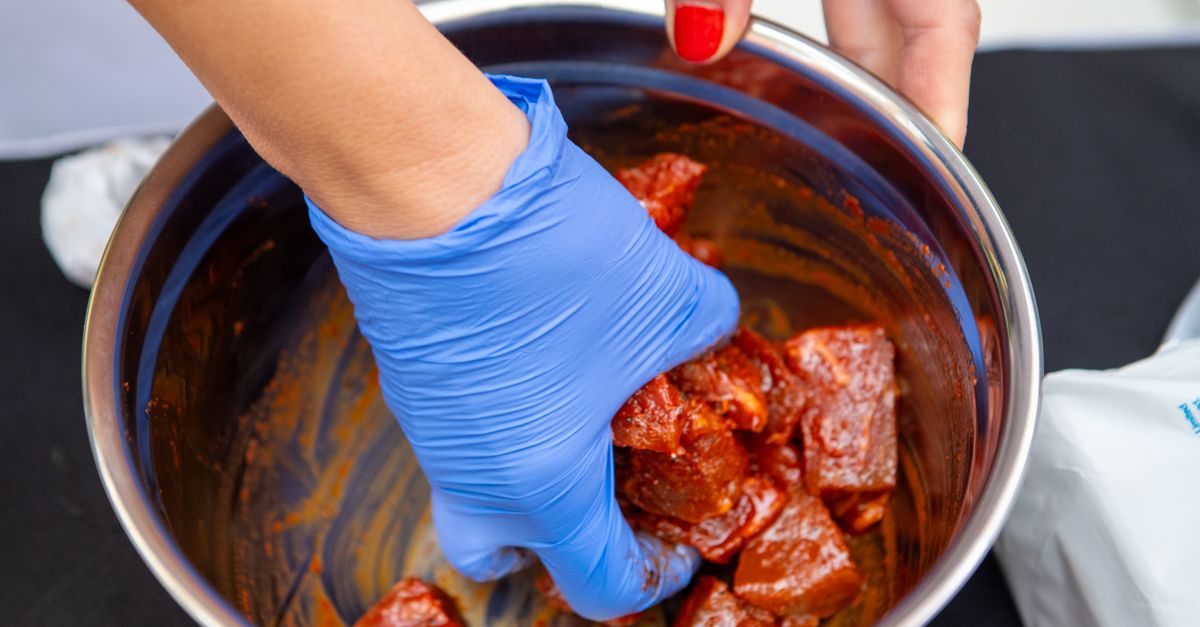
Yogurt does something most liquid marinades cannot: it tenderizes without turning the outer layer of meat mushy. The lactic acid in yogurt works gently and relatively slowly, which means you get a genuinely tender result without the texture breakdown that aggressive acid marinades (wine, citrus, vinegar) can cause when left too long. Fat in the yogurt also carries fat-soluble aromatics deep into the surface, so spices actually mean something rather than sitting on the outside.
The technique is ancient in South and Central Asian cooking, from tandoori chicken to Persian-style lamb, and it transfers cleanly to a home kitchen with standard equipment. What follows is specific enough to use immediately.
Why Yogurt Works Differently from Other Marinades
The key mechanism is lactic acid acting on muscle proteins. Unlike citric or acetic acid, lactic acid at yogurt’s natural pH (roughly 4.0 to 4.5) denatures proteins at a slower, more controlled rate. The result is meat that holds together while still turning noticeably more tender after several hours of contact. The proteins relax rather than seize.
The yogurt also forms a physical barrier on the surface of the meat. When it hits a hot grill or oven, that coating sets quickly and creates a slightly charred, caramelized crust while keeping internal moisture in. This is why tandoori-style dishes develop their characteristic char without drying out.
A practical trade-off: full-fat yogurt outperforms low-fat in this role. The fat emulsifies with the spices and oils you add, and the coating is more cohesive on the grill. Low-fat yogurt still works, but the crust is thinner and can scorch faster. Greek yogurt (strained, higher protein) clings more tightly to the meat surface than regular yogurt, which makes it slightly better for grilling. Regular, unstrained yogurt is fine for oven-roasting or covered dishes where sticking isn’t the priority.
If you want a deeper dive into how acids and enzymes break down muscle fibers in other types of marinades, Tender Meat Every Time: Acidic & Enzymatic Marinades is a useful companion read.
Building a Yogurt Marinade: The Core Ratio
Start here and adjust to the protein you’re using:
- Base: 1 cup (240g) full-fat plain yogurt
- Acid boost (optional): 1 tablespoon lemon juice or a splash of wine vinegar
- Fat: 1 to 2 tablespoons neutral oil or olive oil
- Salt: 1 to 1.5 teaspoons, or enough to season the meat fully
- Aromatics and spice: to taste (see the variations below)
Salt is not optional. Yogurt without salt sits on the surface; salt draws moisture to the surface by osmosis, which then pulls the marinade into the meat as it redistributes. Add salt to the yogurt before you add the meat, not after.
The oil isn’t strictly necessary but it does two things: it loosens very thick Greek yogurt to a coating consistency, and it helps fat-soluble compounds like cumin and paprika distribute evenly rather than clumping.
Mix all ingredients together thoroughly before adding the meat. Coat every surface, press the marinade into any cuts or joints, and keep the meat covered in the fridge.
How Long to Marinate Each Protein
The right window varies substantially by the cut and protein. The gentleness of lactic acid means over-marination is less catastrophic than with citrus, but it still degrades texture if you push it far enough.
Chicken (boneless thighs, breast): 4 to 12 hours gives the best results. Overnight (up to 24 hours) is fine for thick thighs. Beyond that, the surface can turn a little slimy even if the interior is good.
Chicken on the bone: 8 to 24 hours. The bone slows heat penetration so you need the extra time for flavour to reach the meat near the joint.
Lamb (chops, leg steaks): 4 to 8 hours is often enough for chops. A butterflied leg, being thick and dense, benefits from 12 to 24 hours.
Beef: Yogurt marinade works well on thinner, tougher cuts like flank steak or skirt. Give those 6 to 12 hours. It is less useful for thick, well-marbled cuts like ribeye where you want to taste the beef itself.
Fish and shellfish: Keep this short, 30 minutes to 2 hours at most. Fish proteins are delicate enough that even lactic acid will start softening the structure past the point you want if left longer.
Vegetables and paneer: 30 minutes to 2 hours. You’re coating and flavouring rather than tenderizing, so longer doesn’t help much.
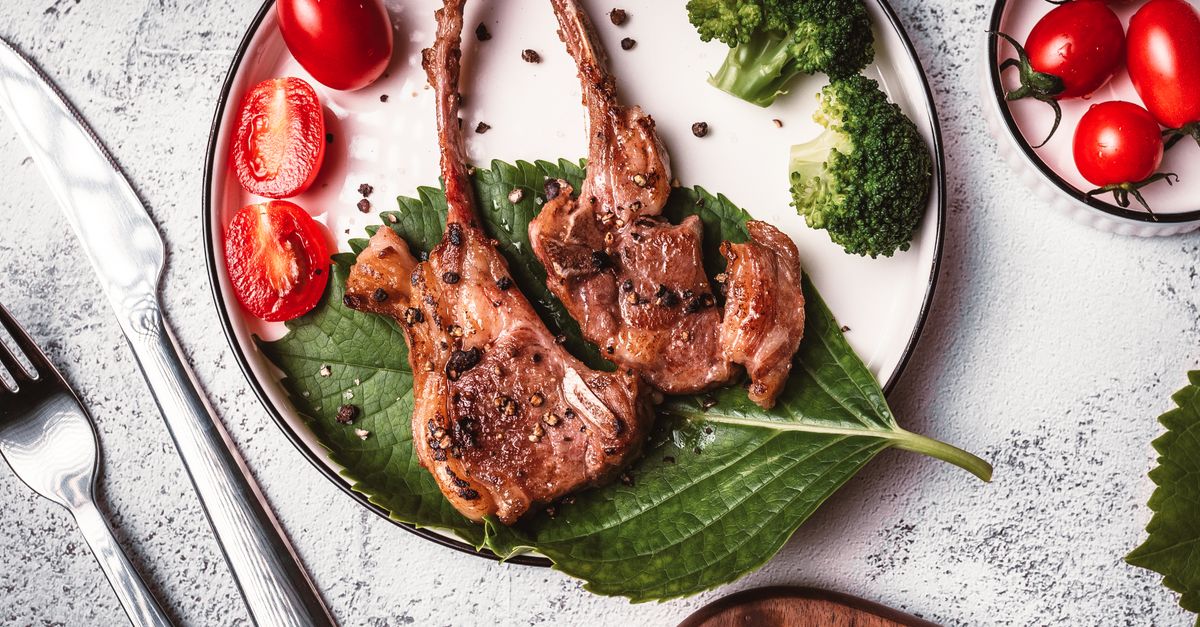
Four Distinct Variations by Cuisine
The base ratio above accommodates a wide range of flavour profiles. Each of these is a genuinely different dish, not just a spice swap.
Tandoori-Style (North Indian)
Add to the base: 1 teaspoon each of ground cumin, coriander, and garam masala; half a teaspoon of turmeric; half to one teaspoon of Kashmiri chilli powder (mild, very red, different from cayenne); a tablespoon of ginger-garlic paste; a teaspoon of smoked paprika for colour if you’re not using a tandoor oven. The turmeric is not only flavour, it gives the distinctive yellow-orange tint and has mild antimicrobial properties. This works best on chicken pieces or paneer. Cook at high heat (220C/425F or higher) for char.
Persian Joojeh-Style (Saffron and Lemon)
Bloom a generous pinch of saffron in two tablespoons of warm water for 10 minutes, then add it to the base along with the juice of one large lemon, a teaspoon of black pepper, and two cloves of minced garlic. This is classically used on chicken and kept relatively simple so the saffron dominates. The lemon here is higher than the “optional” amount above, which is intentional for this style; keep the marinating time at the lower end (4 to 6 hours) to account for the extra acid.
Turkish-Style (Red Pepper and Oregano)
Add: two tablespoons of tomato paste, a tablespoon of Turkish red pepper paste (biber salçası) or substitute smoked paprika plus a pinch of cayenne, a teaspoon of dried oregano, and two cloves of crushed garlic. This works across chicken, lamb, and beef. The tomato paste adds umami and a faint sweetness that rounds out the spice.
Herb and Garlic (Western, All-Purpose)
For a version that fits outside South Asian or Middle Eastern contexts: add three cloves of minced garlic, two tablespoons of finely chopped fresh herbs (a mix of parsley, thyme, and rosemary works well), a teaspoon of Dijon mustard, and a generous grind of black pepper. The mustard acts as an emulsifier and adds a subtle background note. This pairs well with pork tenderloin, lamb chops, and chicken.
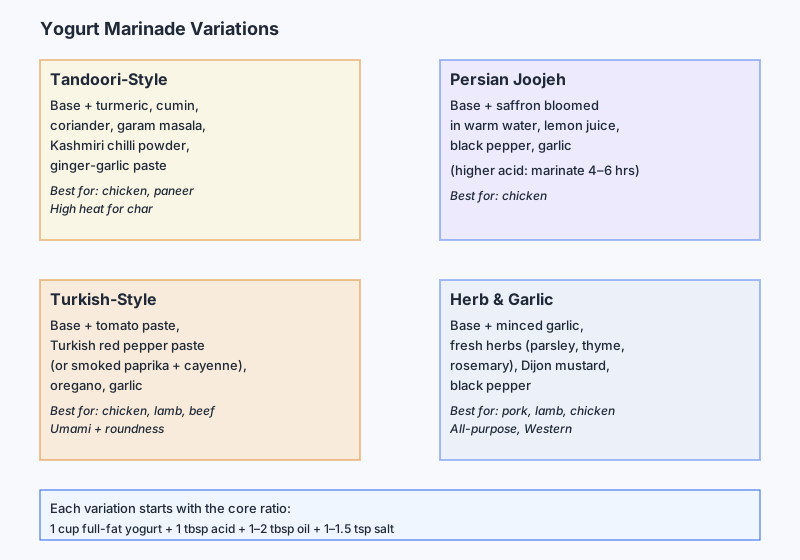
Cooking Yogurt-Marinated Meat
Don’t wipe the marinade off before cooking. Some cooks scrape it away out of habit from working with liquid marinades (to avoid burning the sugars), but the yogurt coating is exactly what forms your crust. Leave it on.
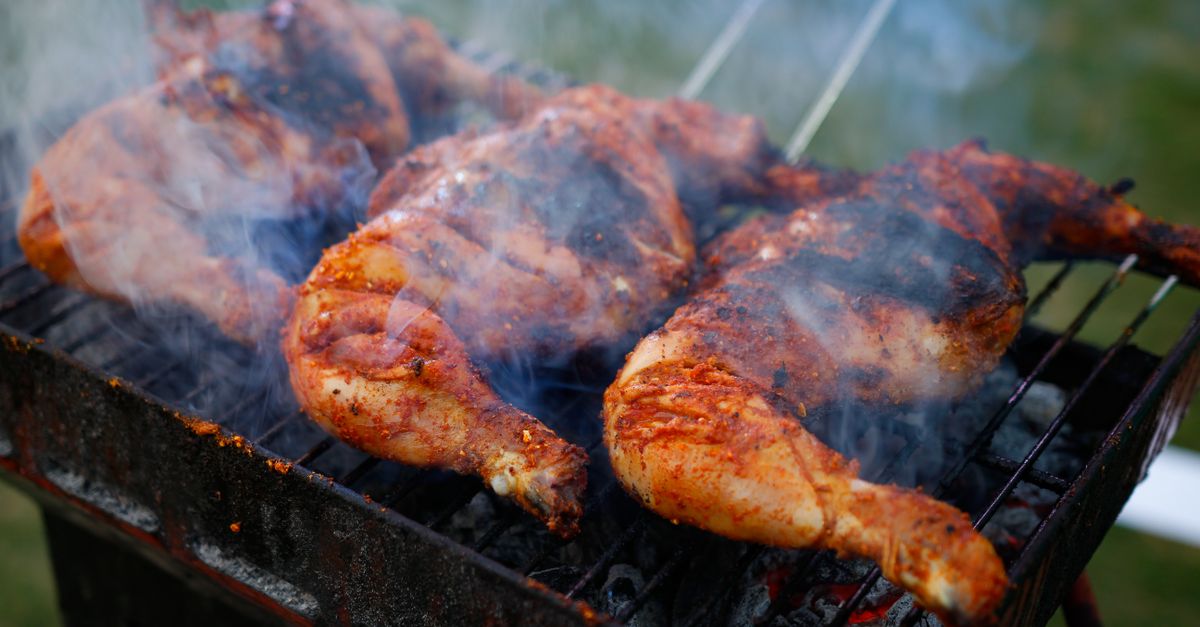
For grilling, shake off excess pooling marinade so you don’t get flare-ups from large blobs, but keep a good coating on the meat. Grill over direct, high heat to set the crust fast, then move to indirect heat to finish cooking through. This two-zone approach produces the char you want without the meat steaming in its own juices.
For oven-roasting, a high temperature (200C/390F or above) is more effective than moderate heat. Place pieces on a rack over a tray so air circulates underneath. The yogurt coating on the underside sets instead of stewing in pooled liquid.
In a pan, use a heavy pan (cast iron is ideal) over medium-high heat. The yogurt will stick aggressively to a thin stainless pan, especially if the heat is uneven. Press the meat down firmly at first contact so the coating bonds to the pan surface and creates a crust rather than tearing off when you try to flip.
Rest the meat after cooking, the same as any protein. The redistribution of juices that happens during resting matters more with yogurt-marinated meat because the surface is often quite hot and the interior temperature continues to rise. Five to ten minutes under loose foil is enough for chicken pieces and chops.
Frequently Asked Questions
Can you reuse leftover yogurt marinade as a sauce?
No, not directly. The marinade has been in contact with raw meat and must reach a full boil before it is safe to eat. If you want a sauce, set aside a separate portion of the marinade before you add the raw meat, or bring the used marinade to a boil in a small pan and cook it for a couple of minutes before serving. The texture will change (it will split and look grainy), but the flavour is fine as a drizzle.
What if the yogurt marinade makes the meat look grey before cooking?
This is normal and is caused by the lactic acid beginning to denature the surface proteins. The grey colour disappears the moment the meat hits heat. It doesn’t mean the meat has gone bad or that you’ve left it too long, as long as the marinating time was within the ranges above and the meat was kept cold throughout.
Does the type of yogurt matter beyond full-fat versus low-fat?
Style matters more than brand. Greek (strained) yogurt gives a thicker, stickier coating that holds up on a grill. Regular unstrained yogurt is thinner and more liquid, which is fine for oven dishes or slow cooking but runs off the surface on a hot grill. Avoid flavoured yogurt entirely. Kefir can substitute in a pinch and has a similar pH, but it’s much thinner and closer to a liquid marinade.
For readers curious about controlling tang and thickness from scratch, How to Make Homemade Yogurt: No Machine or Additives Required explains how to make your own base for marinating.
Can you freeze meat in a yogurt marinade?
Yes. Freeze the meat and marinade together in a sealed bag. As the meat thaws in the fridge, it continues to marinate. Account for that extra time: if a recipe says marinate 8 hours, start thawing in the fridge the evening before you want to cook, and the meat should be ready by the following evening. Don’t thaw at room temperature.
Why did the yogurt coating burn before the meat was cooked through?
Usually this is a heat management issue rather than a problem with the marinade. The natural sugars in yogurt do caramelize and can tip into burning at sustained high heat. Move the meat to indirect heat (or lower oven temperature to 190C/375F) once the crust has set, and finish cooking through at moderate heat. If it’s a recurring issue, blotting the surface very lightly to remove excess pooling before cooking (not scraping, just a light dab) can help.