Board Game Piece Storage: Never Lose a Component Again

Board games live and die by their smallest parts. A missing pawn stops a game cold; a single lost card changes the balance of an entire campaign. Yet most people slide the lid back on, hope for the best, and discover the problem twenty minutes into game night. There is a better way — and it does not require a workshop or a hundred-dollar budget.
Why Pieces Go Missing in the First Place
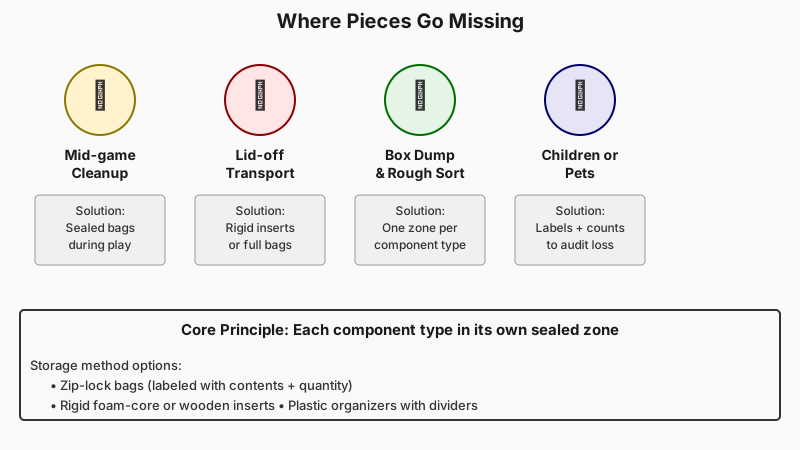
Before fixing anything, it helps to understand the failure modes. Most losses happen at four predictable moments:
- Mid-game cleanup — someone sweeps the table and a wooden cube falls onto a chair cushion.
- Lid-off transport — carrying a box to another room face-up, then tipping it slightly.
- Box dump — opening a game and just shaking everything out, then doing a rough sort back in.
- Children or pets — a meeple becomes a toy; the toy disappears under a sofa.
Knowing where pieces vanish tells you exactly where your storage system needs to create friction.
The Core Principle: One Zone, One Component
Every effective board-game storage system is built on one rule: each component type lives in its own isolated zone, sealed until the game begins. This sounds obvious, but most stock inserts violate it by putting two or three component types in the same tray compartment with nothing keeping them apart.
Zip-Lock Bags: The Cheapest Fix That Works
A box of small zip-lock bags is genuinely the best first step for most collections. The sizes you will use most:
- 2×3 inches — tokens, cubes, tiny markers
- 3×4 inches — standard playing cards, small card decks
- 4×6 inches — large card decks, player boards (folded), small rulebooks
- Gallon bags — large game boards, oversized cards
Label each bag with a strip of masking tape and a marker. Include the component name and the exact quantity (“Red cubes – 15”). That count is what lets you audit the bag at the end of game night: count quickly, catch a missing piece while you still know roughly where it rolled.
Rigid Organizers and Tray Inserts
For games you play often, bags have one limitation: they do not preserve the visual appeal of an open box, and they slow setup when every component is in its own pouch. Rigid solutions solve both problems.
Foam-core custom inserts are cheap to make and surprisingly durable. Buy a sheet of 5mm foam-core board, score with a craft knife, and glue compartments sized exactly for your components. A single sheet costs a few dollars and can divide an entire game.
Laser-cut wooden inserts are sold by several small makers for popular game titles. They fit the box precisely, hold components separately, and often allow the game to be stored vertically without pieces shifting. They cost more than a DIY foam-core build — prices vary widely by maker and game size, so compare a few before buying — but they are near-permanent.
Plastic parts organizers (sold in hardware stores as screw-sorting trays) have adjustable dividers and fit into many medium-sized game boxes. A 20-compartment organizer with movable walls costs a few dollars and adapts to almost any mix of small tokens.
Labeling: The Step Most People Skip
A sealed compartment with no label is only marginally better than a loose pile. Labels do two things: they let you return pieces to the right zone without thinking, and they let anyone else (a family member, a guest) help with cleanup without guessing.
Effective label strategies:
- Masking tape + marker — rewritable, removable, no residue. Adequate for bags and organizer cells.
- Printed adhesive labels — cleaner, especially for inserts that will be used for years.
- Photo labels — take a photo of what the compartment holds and print it small. Useful for games with many similar-looking components in different colors.
- Quantity stamps — write “8/8” or “15/15” on the label so the count is always visible at pack-down.
For games with rulebooks, tape the component list from the rulebook inside the box lid. This gives you a master inventory at a glance.
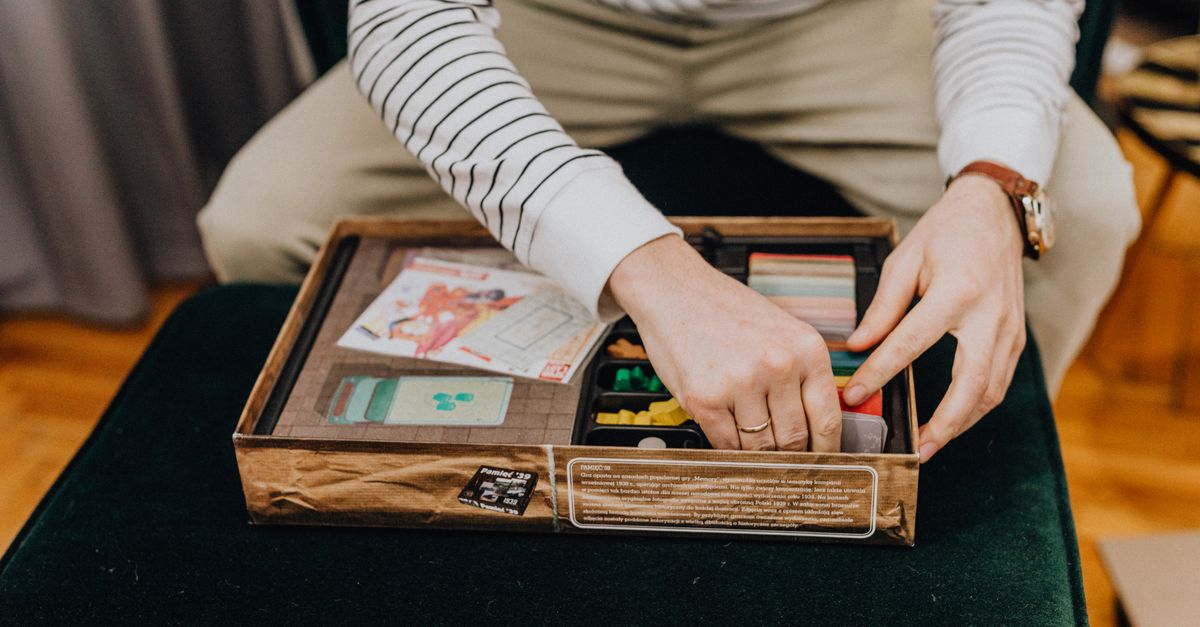
Vertical Storage and Stacking
Most board game boxes are designed to be stored flat, but collections grow, shelf space shrinks, and flat stacking makes the bottom box inaccessible. Vertical storage is popular but introduces a specific problem: contents shift, bags burst against lids, and small pieces migrate.
If you want to store a game vertically:
- Seal every component group — no open compartments, no loose pieces.
- Fill dead space — a crumpled sheet of acid-free tissue or a folded piece of felt stops bags from flopping around.
- Store heavy boards at the bottom edge — game boards act as a natural base and stop lighter pieces from compressing unevenly.
- Use a rubber band around the box — not tight enough to warp the box, just enough to prevent the lid from popping during a shift.
For games that genuinely cannot be stored vertically without chaos (large-format games with many loose tokens and no good insert), flat storage remains the right answer. Shelf risers and deep shelves designed for board games are widely available and let you access flat-stored boxes without unburying them.
If piece storage is just one part of a bigger shelf overhaul, our companion piece How to Store Board Games Neatly: 12 Smart Solutions rounds out the whole system.
Replacing Lost Pieces Before They End the Game
Even the best system fails occasionally. Build a small “spares” kit: a handful of generic wooden cubes, glass beads, and spare dice. Many game publishers also sell replacement components — check the publisher’s website or contact them directly, since many send replacements free or for minimal cost. Community board-game groups often run component swaps as well.
For games with cardboard punch-outs, always punch cleanly (use a craft knife rather than forcing the punch), store the sprues flat until punched, and consider sleeving thin cardboard tokens in small clear sleeves designed for trading cards. Thin cardboard tokens bend and curl over time, which makes them look lost even when they are not — a sleeve prevents that. The same logic applies to the cards themselves: sleeved decks stay together, shuffle without wear, and a stray sleeved card is easy to spot under the table.
Game-Night Habits That Prevent Loss
Storage systems help between sessions. Habits prevent loss during play:
- Designate a “bank” zone — one corner of the table is the supply; all unused pieces live there during play. Nobody reaches past it.
- Count before and after — for games with small, critical components (legacy health trackers, unique character tokens), do a fast count when setting up and again when packing away. It takes thirty seconds.
- Use a tray — a small silicone tray or even an upturned lid catches pieces that would otherwise roll off the table.
- No playing with pieces — fidgeting with tokens is the single biggest cause of individual piece loss. Call it out politely.
- Pack away before leaving the room — leave a half-packed game unattended and entropy takes over.
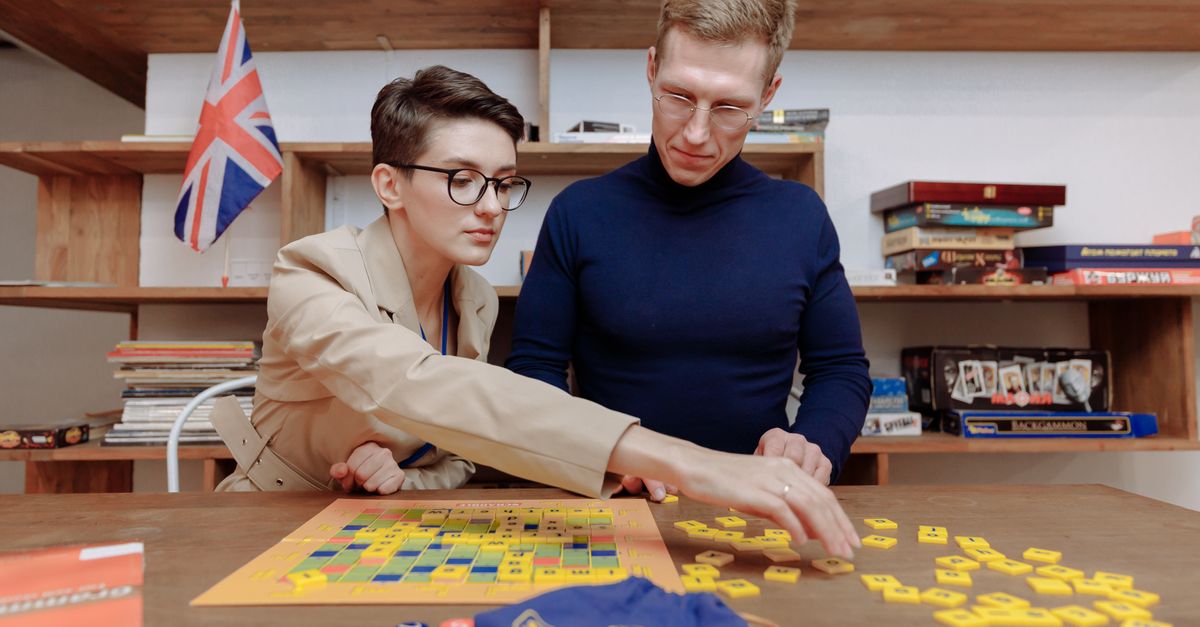
These small habits fit neatly into a broader home reset, which is exactly what How to Declutter Your Home Step by Step (That Actually Works) walks through.
Frequently Asked Questions
What is the best bag size for standard playing cards?
A 3×4-inch zip-lock bag fits most standard poker-sized card decks (roughly 63×88 mm cards) without bending them, and allows you to label the outside. For tarot-sized cards (around 70×120 mm), use a 4×6-inch bag. Card sizes vary between publishers, so measure one card from your own game before buying bags in bulk.
Can I store games vertically without a custom insert?
Yes, if you seal every component group in zip-lock bags and fill dead space inside the box to prevent shifting. It is less ideal than a fitted insert but workable for most games.
How do I inventory a new game before the first play?
Open the box, punch out all cardboard pieces cleanly, and bag each component type before reading the rules. Count each group against the component list in the rulebook and write the quantity on the bag. Any discrepancy surfaces before you care about it during a session.
Are foam-core inserts worth the effort?
For games you play frequently — more than a few times a year — yes. A well-made foam-core insert takes about an hour to build and lasts years. For games you play once or twice, bags are a more practical return on your time.
How do I deal with games that have tiny, easily-lost tokens?
Three things help: small zip-lock bags (2×3 inches), a silicone ice-cube tray used as an in-play organizer during the session, and a strict count-before-pack rule. For very tiny pieces, small bead-storage containers with screw lids are nearly spill-proof and worth the minor investment.
Board game storage is not glamorous, but it is the difference between a collection that grows with you and one that gradually becomes unplayable. Start with bags and labels — tonight, if you have a game that has already lost pieces. Then upgrade selectively as you identify which titles deserve the investment of a real insert. The goal is not a museum; it is a system simple enough that anyone at the table can help pack up without losing a single cube.