Crispy Potato Pancakes Every Time
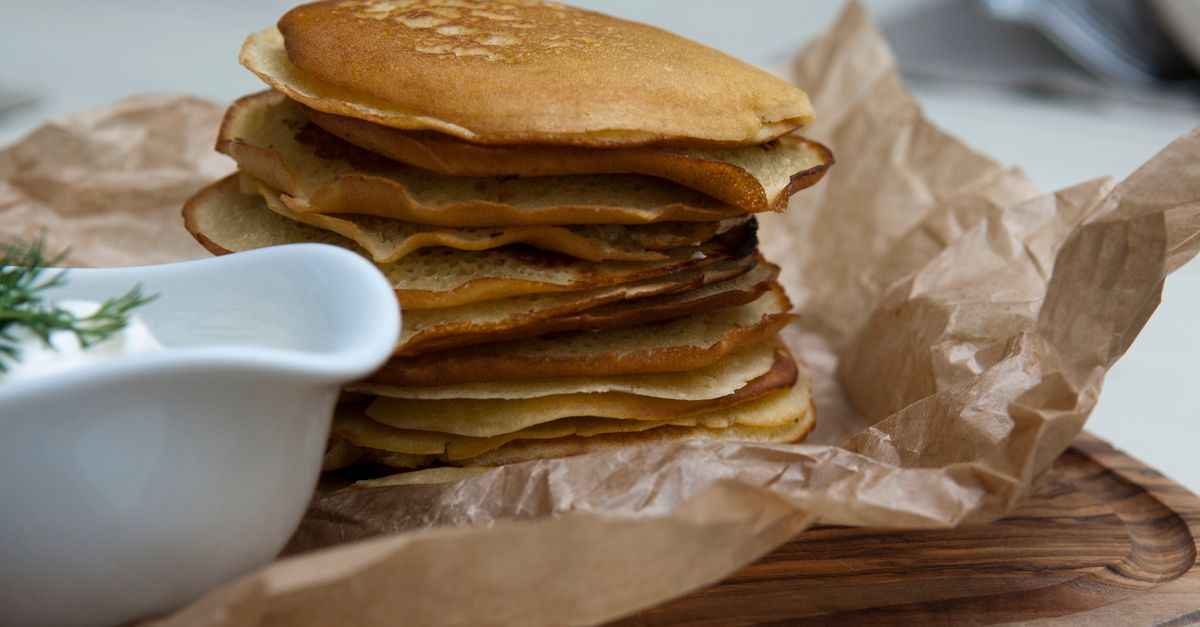
Potato pancakes — known as latkes in Jewish tradition, rösti in Switzerland, and placki ziemniaczane in Poland — have one quality that makes or breaks them: the crunch. Get it right and the outside shatters while the inside stays tender. Get it wrong and you have a greasy, soggy disk that nobody goes back for. The difference between the two comes down to moisture, heat, and a few technique choices that are easy to control once you know what you are doing.
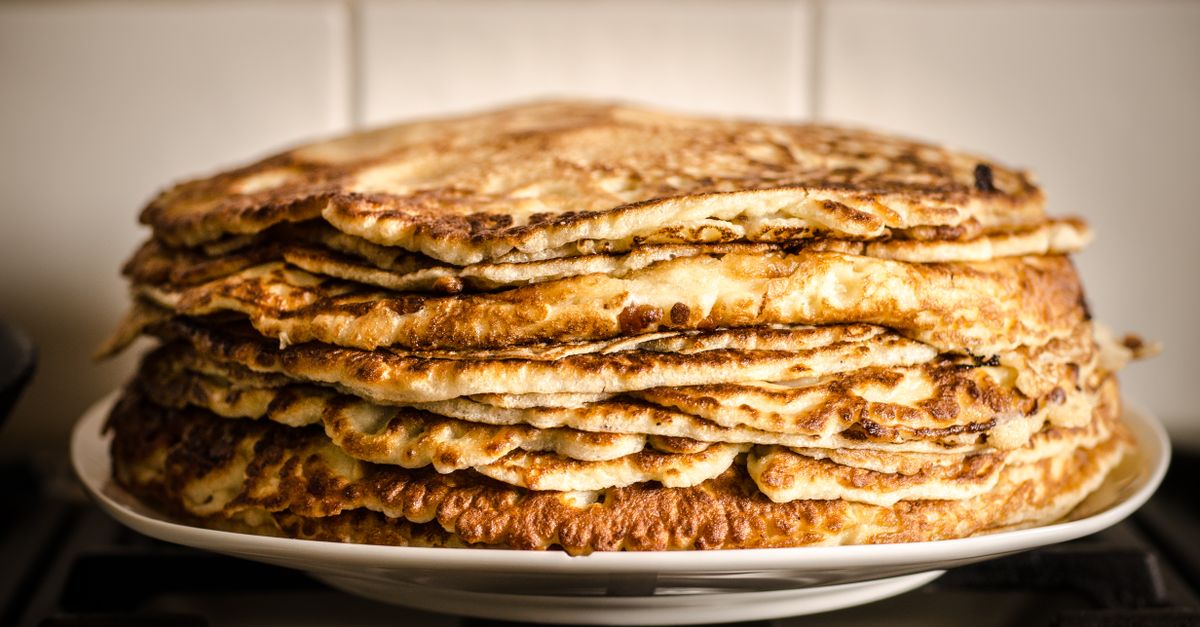
The Biggest Enemy of Crispy Pancakes Is Water
Potatoes are roughly 80 percent water by weight, and that moisture turns into steam the moment it hits hot oil. Steam softens rather than crisps, so your first job before any batter is mixed is to pull as much water out of the grated potato as possible.
Grate the potatoes on the large holes of a box grater or with the shredding disk of a food processor. Transfer the shreds to a clean kitchen towel or a piece of cheesecloth, gather the corners together, and wring the bundle over the sink as firmly as you can. You will see a surprising amount of milky liquid pour out. Wring it a second time. That liquid is mostly water and starch, and the more of it you remove, the crispier the result.
Let the squeezed potato shreds rest for two or three minutes after wringing. A little more liquid will bleed out; blot it with a paper towel.
A note on starch: As the squeezed liquid sits in the bowl, white potato starch settles to the bottom. Some cooks carefully pour off the water and then scrape that settled starch back into the potato mixture. It acts as a natural binder and adds a bit of extra crispiness to the crust.
Choosing and Preparing the Right Potato
Not all potatoes behave the same way when fried. High-starch varieties such as russets (Idaho potatoes) shred cleanly, absorb less oil, and produce the crispiest crust. Waxy varieties like red-skinned or new potatoes hold more water and tend to steam rather than fry, which works against you here. Yukon Golds fall in the middle: their slightly buttery flavor is appealing, but they need especially thorough wringing to compensate for the extra moisture.
Peel the potatoes just before grating. If they sit cut and exposed to air they will oxidize and turn pink or gray, which does not affect flavor but looks unappetizing. Grating straight into salted water can slow oxidation, but it also adds moisture you will then have to remove, so working quickly and moving directly from grate to wring is the easier path.
If you love crispy starchy sides, our guide Crispy French Fries at Home: The Complete Fresh Potato Guide is another great way to get golden, crunchy results from fresh potatoes.
Building the Batter
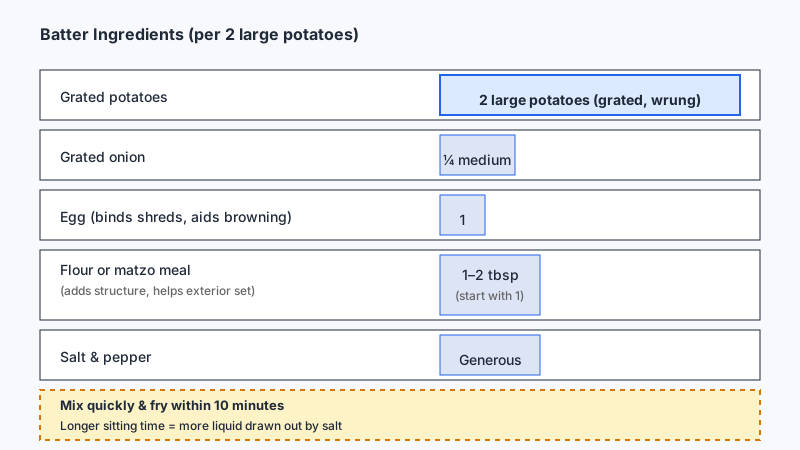
Once your potato shreds are as dry as you can get them, mix in the aromatics and binders. A basic ratio that works well:
- Onion: Grate roughly one quarter of a medium onion for every two large potatoes. Grate it directly into the potato shreds so the onion juice (which also contains moisture) gets wrung out at the same time as the potato, or grate it after wringing and squeeze it separately through the towel first.
- Egg: One whole egg per two large potatoes binds the shreds together. The egg also contributes to browning.
- Flour or matzo meal: One to two tablespoons per two potatoes adds structure and helps the exterior set before it absorbs too much oil. Matzo meal is traditional for latkes and gives a slightly coarser crust; plain all-purpose flour is a fine substitute. Too much flour makes the pancake doughy, so start with one tablespoon and add a second only if the mixture feels very wet.
- Salt and pepper: Season generously. Potatoes need salt, and under-seasoned pancakes taste flat no matter how crispy they are.
Mix everything together quickly and do not let the batter sit for more than about ten minutes before frying. The longer it sits, the more liquid the salt draws out and the wetter the mixture becomes.
Frying for Maximum Crunch
The oil and the pan choice matter as much as the batter.
Oil selection: Use a neutral oil with a high smoke point. Refined sunflower, vegetable, canola, or grapeseed oil all work well. Olive oil smokes at lower temperatures and can turn bitter; save it for something else. Some traditional recipes use rendered chicken fat (schmaltz) for flavor, and it does perform well at frying temperatures, but it is harder to source and burns more easily.
Pan selection: A heavy pan holds heat better than a thin one. Cast iron is the traditional choice: it retains an even temperature when cold potato mixture is added, which matters because a sudden temperature drop is one of the main reasons pancakes come out pale and soft. A heavy stainless-steel pan works almost as well. Non-stick pans allow you to use less oil, but they typically cannot go hot enough to produce a truly hard crust.
The right oil depth and temperature: Pour enough oil to come about halfway up the side of the pancake, roughly a quarter inch for a pancake that is half an inch thick. This is shallow-frying rather than deep-frying, but it is more oil than a light sauté. Heat the oil over medium-high heat until a single strand of grated potato dropped in sizzles immediately and actively. If it just sits there, the oil is not ready. If it smokes before you add anything, the oil is too hot and the exterior will burn before the interior cooks through.
Forming and adding the pancakes: Scoop a portion of the mixture (about three to four tablespoons) into the hot oil and use the back of a spoon or a spatula to flatten it to roughly half an inch thick. Do not make them too thin or they lose the tender interior that contrasts with the crust; do not make them too thick or the center stays raw while the outside burns. Leave space between pancakes; crowding the pan drops the oil temperature sharply and causes steaming.
Cooking time and the flip: Cook undisturbed for three to five minutes on the first side, depending on thickness. The pancake is ready to flip when the edges turn golden and the underside, when you peek at it by lifting an edge, is a deep amber color. Flip once and cook the second side for two to three minutes. Resist flipping repeatedly; each flip interrupts the crust formation.
Draining: Transfer finished pancakes to a wire rack set over a baking sheet, not to paper towels. Paper towels trap steam underneath and soften the crust within a minute. A rack lets air circulate around the whole surface. If you need to hold a batch in the oven while you fry the rest, keep the oven at around 200°F (93°C) and set the rack directly on the oven shelf.
For more tips on achieving a crackling exterior with a different ingredient, check out Crispy Tofu: 7 Secrets to Getting It Right Every Time.
Keeping Batches Crispy While You Cook
Frying in batches is unavoidable unless you have an enormous pan. The oven-holding method above works well for up to about 30 minutes. Beyond that, pancakes start to dry out.
If you are cooking for a crowd, consider par-frying: cook each pancake until just past the halfway point on the first side, drain on a rack, and refrigerate. Finish in a hot oven (around 425°F / 220°C) directly on an oven rack for eight to ten minutes when you are ready to serve. The results are slightly less dramatic than straight-from-the-pan, but they hold better and the crust re-crisps well.
What to Serve With Potato Pancakes
The two classic accompaniments pull in opposite directions, and both work for the same reason: they cut through the fat.
Sour cream is cold and tangy, and the temperature contrast against a hot, crispy pancake is part of the appeal. Full-fat sour cream clings better than low-fat versions.
Apple sauce (chunky or smooth) provides sweetness and acidity. The traditional pairing with latkes likely comes from Ashkenazi Jewish cooking, where applesauce was a practical, inexpensive accompaniment. Homemade, slightly tart apple sauce made from cooking-friendly varieties works better here than very sweet commercial versions.
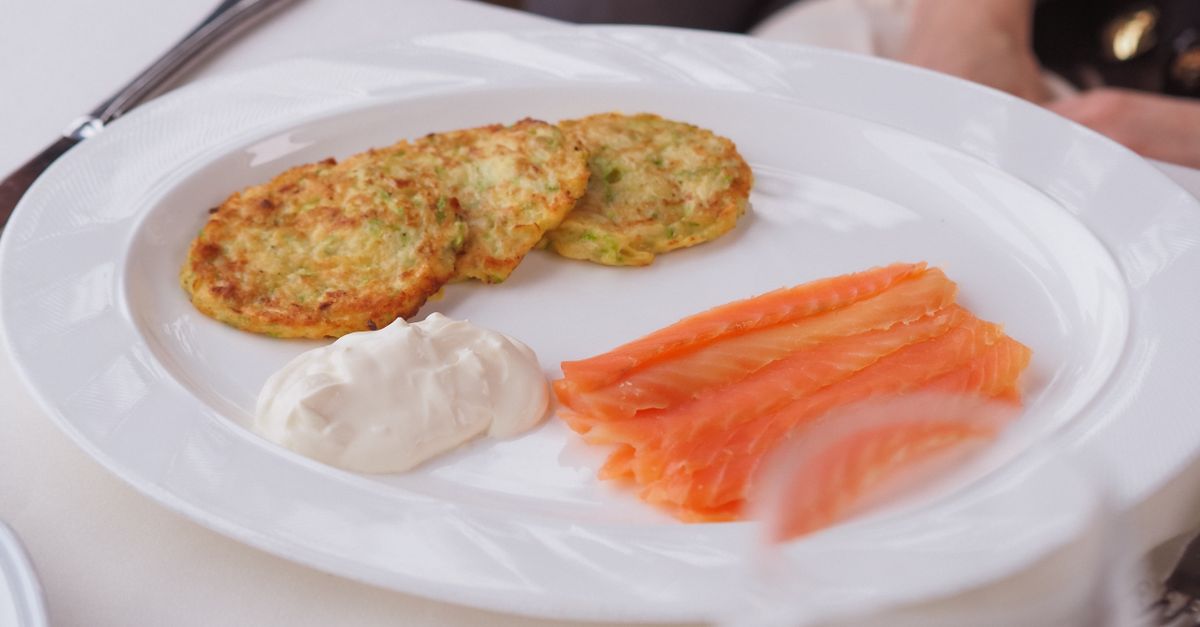
Beyond the classics: smoked salmon and crème fraîche, a fried egg on top, or a simple green salad with a sharp vinaigrette all pair naturally with the richness of fried potato.
Frequently Asked Questions
Why do my potato pancakes fall apart in the pan?
The most common cause is too much moisture in the mixture. Even after wringing, if the batter has been sitting for a while the salt pulls out more liquid. Drain any pooled liquid before frying, add a bit more flour or egg, and make sure the oil is genuinely hot before adding the pancake, as hot oil sets the exterior quickly and helps it hold its shape.
Can I make the batter ahead of time?
Grated raw potato oxidizes and the batter gets progressively wetter the longer it sits, so it does not keep well overnight in the fridge. The better approach is to fry all the pancakes ahead of time and reheat them. Spread them on a wire rack in a hot oven (around 400°F / 200°C) for about ten minutes; they come back to near-fresh crispiness.
Do I need to peel the potatoes?
For a traditional smooth crust, yes. Potato skin contains more fiber and does not shred as finely as the flesh, which can make the edges ragged and harder to form. That said, leaving the skin on is a reasonable shortcut for a more rustic result, and with russet potatoes the skin is thin enough that the difference is minor.
Why does my oil spatter so much?
Spatter is almost always caused by water in the mixture hitting hot oil. More thorough moisture removal solves most of it. Also check that the mixing bowl and the potatoes themselves are dry before they go in, and lower each portion into the oil gently rather than dropping it from a height.
Can potato pancakes be made without egg?
Yes. A tablespoon of ground flaxseed mixed with three tablespoons of water per egg (allowed to gel for five minutes) works as a binder. The texture is slightly less cohesive and the pancakes need to be handled more carefully when flipping, but they hold together and crisp up in the same way.