How Do You Organize a Fridge So Nothing Gets Lost or Spoiled?
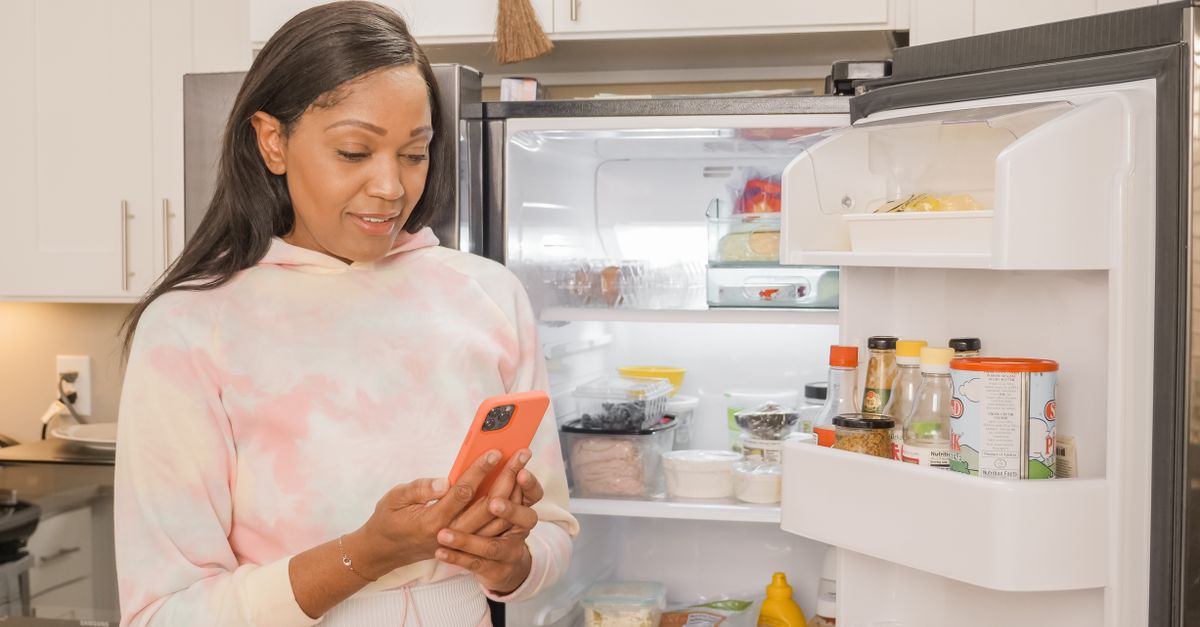
Refrigerators are generous with space until suddenly nothing fits, the crisper drawer smells like forgotten cilantro, and the leftovers from Tuesday are wedged behind a jar of pickles you forgot you owned. The organizing problem is rarely about buying more containers — it is about understanding why cold air moves the way it does, and then placing food where the physics actually help it.
Where Temperature Actually Lives in Your Fridge
Most refrigerators are coldest at the back and on the lowest shelves, and warmest near the door. The door is exposed to room air every time you open it, so temperature there swings more than anywhere else. The top shelf near the back is typically a stable, moderately cool zone, and the bottom shelf is the coldest consistent area (short of the dedicated deli or snack drawer, which often has its own thermostat).
Understanding this matters before you touch a single shelf. Milk stored in the door will spoil faster than milk stored mid-shelf. Herbs stored flat on the bottom shelf may freeze. Once you map the cold zones, placement decisions become almost automatic.
Door shelves: Reserve these for condiments, juice boxes, butter, and anything preserved with vinegar or salt — things that tolerate temperature swings because they are either pasteurized, fermented, or acidic. Move eggs, dairy, and juice cartons off the door.
Top shelf: Good for leftovers in covered containers, soft cheeses, deli meat, and anything you need to see and use within the next few days. Eye level encourages use.
Middle shelves: Dairy — yogurt, hard cheese, milk — does well here. Temperature is stable, and these items are used regularly enough that they do not sit long.
Bottom shelf: Raw meat, poultry, and fish belong here, in a sealed container or on a rimmed tray. The dual reason: it is coldest, and any drips fall downward onto a washable surface rather than onto ready-to-eat food.
Crisper drawers: Most have a humidity slider. High humidity extends the life of leafy greens, asparagus, broccoli, and herbs. Low humidity suits fruit — apples, grapes, and citrus — as well as vegetables that rot in moisture like onions or mushrooms. Check your drawer’s labeling; some manufacturers label them directly.
Zone Your Fridge Before You Buy a Single Container
The organizing advice you see online usually starts with buying matching storage bins. Start instead with a ten-minute audit. Pull everything out, throw away anything past its date or visibly off, and group what remains by how you actually use it:
- Daily-use items (milk, eggs, butter, the thing you put on everything) should be at the most accessible spot — eye level, front of shelf.
- Short-life items (leftovers, cut fruit, fresh meat for tonight) need prominent visibility so you use them before they turn.
- Long-life items (condiments, hard cheeses, pickles) can go further back or lower because they tolerate a few days of neglect.
- Raw proteins stay grouped together on the bottom shelf, away from everything else.
Once you have those groups defined, you are assigning each to the zone that suits its temperature needs. Zones and groups overlap naturally: short-life leftovers at the front of the top shelf, raw proteins at the back of the bottom shelf.
FIFO — first in, first out — is the grocery store stock rule that belongs in your kitchen too. When you unpack groceries, move older items to the front and newer ones to the back. This alone cuts spoilage dramatically and costs nothing.
If this kind of zoning logic appeals to you, the same principle works wonders in dry storage too, as explained in How to Organize a Pantry: 9 Practical Steps That Last.
The “Back of the Fridge” Problem
Items get lost at the back for two reasons: the fridge is overfull, or items are stored in opaque containers. Both are easy to fix.
Overfilling: A packed fridge restricts airflow, which forces the compressor to work harder and creates warm pockets. Counterintuitively, a fridge performs better with some empty space — air needs to circulate. If yours is consistently crammed, this is the core problem.
Visibility: Store leftovers and pre-prepped food in clear, flat containers rather than deep, opaque ones. A wide, shallow container fits on a shelf in a single layer; you can see what is in it without picking it up. Label containers with a piece of masking tape and a marker: write the contents and the date. Peel and replace when the container goes through the dishwasher.
The lazy Susan: A turntable on a deep shelf is genuinely useful for small items — jars, bottles, little tubs of leftovers. Spin it rather than reaching past things. You will find that jar of tahini before it grows a skin.
Shelf risers: Stackable risers (like those used in kitchen cabinets) let you see items on two levels within a single shelf height. Good for yogurt cups, small jars, and drinks you want upright.
Dedicated leftover zone: Pick one shelf (usually the top) and make it the official leftover shelf. When everything leftover lives in one spot, you check that spot before cooking. If it is full, that is your meal plan.
This same zone-by-habit thinking can clean up the rest of your kitchen, which is exactly what How to Organize Kitchen Cabinets: Assign Zones By Daily Habit walks through.
Produce: The Zone Where Things Go Wrong Most Often
Produce spoilage is where most refrigerator food loss happens, and most of it comes down to ethylene gas and moisture.
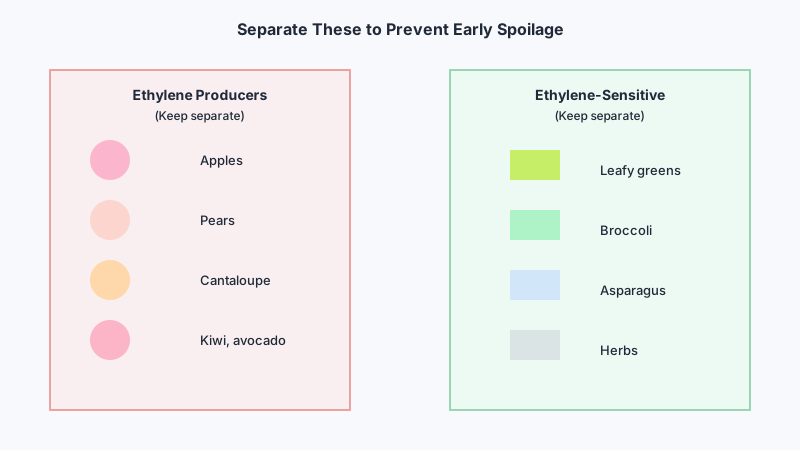
Ethylene is a natural plant hormone that ripens fruit. Apples, pears, and cantaloupes produce it in significant amounts. Put an apple next to leafy greens, and the greens will wilt and yellow faster than they would alone. Separate ethylene producers from ethylene-sensitive greens — different crisper drawers, or at least different sides.
Moisture control is the other lever. Greens suffocate in a sealed bag without some airflow but dehydrate in open air. The best approach for most salad greens: wash, spin dry, wrap loosely in a clean paper towel, and store in a loose bag or a lidded container with a paper towel inside. The towel absorbs excess moisture and buys extra days of crispness.
Herbs behave more like fresh flowers than like produce. Trim the stems, stand them upright in a small jar with an inch of water, and cover loosely with a bag. Stored this way on the top shelf — where they will not freeze — parsley, cilantro, and mint last considerably longer than they do in a damp bag in the bottom drawer.
Items that do not belong in the refrigerator at all: whole tomatoes (cold destroys their texture and flavor), onions and garlic (they need air circulation, not refrigeration), potatoes (cold converts starch to sugar and changes the texture), and whole melons before cutting. Keeping these on the counter frees up refrigerator space for what actually needs it.
Why a Simple Weekly Audit Beats Perfect Organization
Even a well-organized fridge drifts. A two-minute sweep once a week — before the grocery run, ideally — accomplishes more than the best organizing system on its own:
- Pull out anything that is close to its use-by date and move it to the front.
- Check the leftover shelf and decide what gets eaten tonight.
- Wipe down one shelf (rotate so each shelf gets cleaned every few weeks).
- Note what you are about to throw out so you buy less of it next time.
This routine prevents the slow accumulation of forgotten items that turns into a fridge archaeology project every few months. It also makes grocery shopping more accurate — you buy what you are actually short of, not doubles of what is already hiding at the back.
Frequently Asked Questions
Should eggs go in the door or on a shelf?
On a middle shelf, not in the door. The door experiences the biggest temperature swings every time the refrigerator opens, and eggs fare better in a stable, cooler spot. Most built-in egg holders on fridge doors are convenient but not ideal for freshness, especially if you go through eggs slowly.
Does a fuller fridge or an emptier one keep food colder more efficiently?
A moderately stocked fridge — roughly two-thirds full — is the practical sweet spot. Cold items act as thermal mass and help maintain temperature when the door opens. An overstuffed fridge, however, blocks the vents and forces the compressor to work harder, creating uneven cold spots. Aim for visible breathing room around vents (usually at the back wall).
Why does food near the back of the bottom shelf sometimes freeze?
The back of the refrigerator, especially near the cooling coils at the bottom, can dip below the thermostat’s nominal setting. Delicate items — fresh herbs, soft cheeses, leafy greens, eggs — should stay toward the front and on middle shelves rather than pushed against the back wall.
What is the actual shelf life difference between raw meat stored properly versus loosely?
This varies enough that a single number would mislead. The useful rule: raw poultry and ground meat are short-life items regardless of packaging and should be cooked or frozen within one to two days of purchase. Whole cuts of beef or pork last a little longer, but check the use-by date and store on a tray to catch any liquid. Do not rely on smell alone — some pathogens produce no detectable odor.
Do refrigerator organizer bins actually help, or are they just clutter?
Bins help when they serve a clear purpose: grouping small items that scatter (yogurt cups, cheese sticks), creating a visible “use first” zone, or turning a deep shelf into something you can pull out and see all at once. They become clutter when they subdivide space so finely that larger items have nowhere to go, or when the categories they define do not match how you actually cook and shop. Buy a bin to solve a specific problem, not to make the fridge look like a showroom.