How Do You Store Cast Iron Without Rust in Humid Climates?
Cast iron and humidity are a bad combination, and if you live somewhere with persistent moisture in the air, you have probably pulled a pan from the cabinet only to find orange streaks or a dusty reddish film where the seasoning used to be. The fix is not complicated, but it does require a few deliberate habits — and understanding why the rust forms in the first place changes how you approach storage.
Why Humidity Attacks Cast Iron So Quickly
Cast iron is almost pure iron with very low carbon-alloy resistance, which means it reacts with oxygen and water vapor through a process called oxidation. Unlike stainless steel, cast iron has no chromium layer to slow that reaction down. In humid climates, relative humidity often sits above 60 percent for weeks at a time, and at those levels the thin moisture film that forms on bare metal is enough to start corrosion even without liquid water touching the surface.
The seasoning layer — polymerized oils baked into the pores of the pan — is the only barrier between the iron and the air. When that layer is thin, cracked, or patchy, oxidation starts in those gaps and spreads underneath the surrounding seasoning, lifting it and accelerating the damage.
Two factors make humid climates especially hard on stored cast iron:
- Temperature swings: When a cast iron pan cools quickly — pulled from a hot stove and placed on a cold counter — condensation forms on the surface. The same thing happens when cool air from an air conditioner meets the warm surface of a pan stored near an exterior wall or vent.
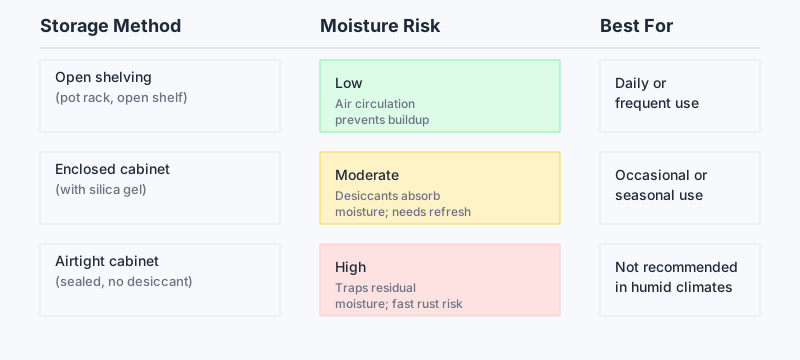
- Enclosed spaces with poor airflow: Airtight cabinets trap moisture that evaporates from the pan itself or from surrounding items. Stacking wet (or even damp) cast iron in a closed cabinet is one of the fastest ways to trigger rust.
Build a Strong Seasoning Base Before Storage
The single most effective defense is a thick, well-bonded seasoning layer going into storage. A pan that sees daily use and gets re-oiled regularly is much harder to rust than one that sits for months.
Before you put a pan away for an extended period:
- Wash and dry it completely. Residual water is the immediate threat. Dry the pan on a stovetop burner on low heat for two to three minutes rather than relying on a towel, which leaves microscopic moisture behind.
- Apply a very thin coat of oil. Use a high smoke-point oil with a good fat profile for polymerization — flaxseed, grapeseed, and refined coconut oil are common choices. Wipe it on with a cloth, then wipe it off almost completely so only a barely-visible sheen remains. Too much oil turns sticky and actually attracts moisture and debris.
- Heat it briefly. If you have time, run the oiled pan in a 450–500 °F oven for 30–45 minutes and let it cool completely before storing. This bonds the oil rather than leaving it in liquid form.
For pans that already have patchy or damaged seasoning, a full strip-and-re-season before long-term storage in a humid environment is worth the effort.
If you’re wondering whether your washing routine is undoing your seasoning work, Keeping Cast Iron Rust-Free After Every Wash walks through the habits that keep rust from forming right after cleanup.
Storage Methods That Actually Block Moisture
Oil alone may not be sufficient in very humid conditions. The storage environment itself matters as much as the seasoning.
Keep Air Moving
Cast iron stored in open or semi-open spaces — hanging from a pot rack, sitting on open shelving, or stored with the lid propped slightly off — stays drier than cast iron locked in an airtight cabinet. Moving air disperses water vapor before it can settle and condense. A pot rack near a range hood is one of the driest spots in many kitchens.
Use Desiccants Inside Cabinets
If open storage is not practical, place silica gel packets or a small rechargeable desiccant canister in the cabinet where your cast iron lives. These absorb ambient moisture from the enclosed air. Check the capacity against the cabinet volume — a packet sized for a shoebox will not make a meaningful dent in a large cabinet.
Food-safe silica gel (the kind used in packaging for food and electronics) is appropriate here. Swap or recharge the packets when the indicator changes color, which typically happens every few weeks in a genuinely humid environment.
Paper Towels as Separators — and Why They Help
When stacking cast iron, place a dry paper towel between each piece. Paper is mildly absorbent and prevents the direct metal-on-metal contact that traps moisture in the gap between surfaces. It also protects the seasoning from being scraped by the rough exterior of the pan above it.
Replace the paper towels every month or two in very humid conditions, since they eventually reach their absorption limit.
Avoid These Common Storage Mistakes
- Storing with the lid fully sealed. A Dutch oven stored with its lid on traps any residual moisture inside. Store lids inverted or propped open.
- Putting cast iron away warm. A pan that feels dry to the touch but is still warm will continue to release water vapor as it cools, and that vapor goes straight into the storage space.
- Using plastic bags or wrapping. Plastic prevents airflow entirely and concentrates any moisture vapor that comes off the metal surface.
- Leaving acidic residue. Tomato or citrus-based food that is not fully scrubbed off before storage will actively break down seasoning and expose bare iron.
What to Do About an Already-Rusted Pan
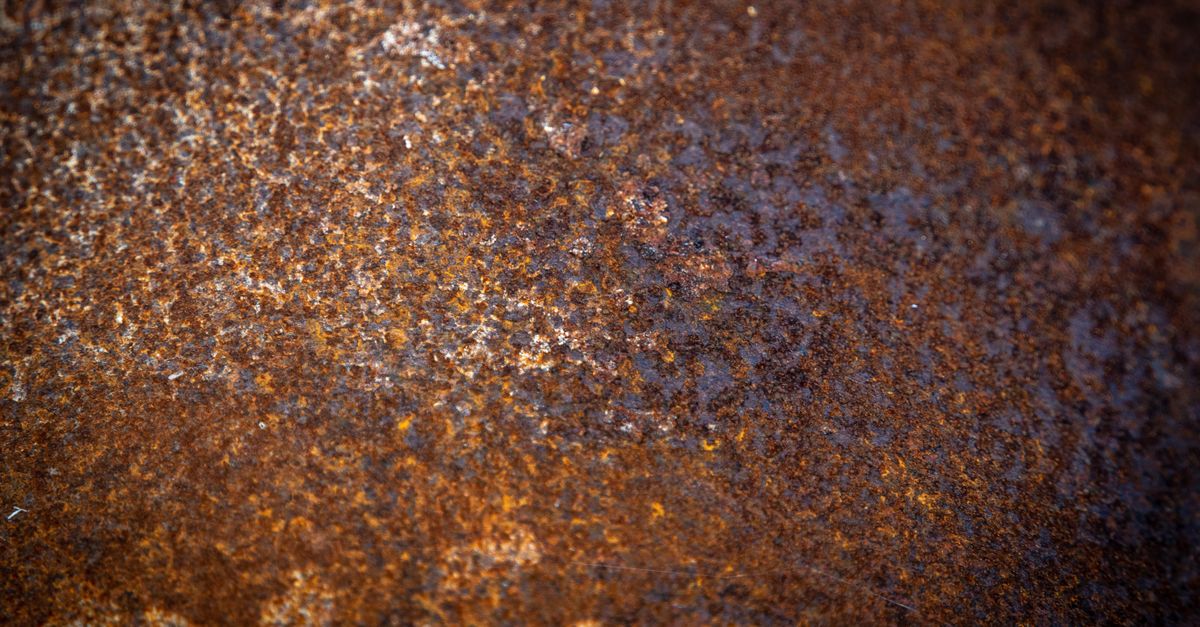
If rust has already appeared, the situation is recoverable in most cases. Surface rust (a reddish-orange film or dusty spots that wipe off with light pressure) responds quickly to scrubbing with a stiff brush or chainmail scrubber and warm water. For more stubborn rust, a paste of coarse salt and a neutral oil applied with a cloth and scrubbed in circles removes it mechanically without chemical damage.
Deep pitting — where the rust has eaten into the surface texture of the iron itself — is harder to recover. The surface will be rough even after the rust is gone, and it will take multiple rounds of seasoning to build back a protective layer. Pans in this condition are still usable and worth saving, but prevention is far easier than restoration.
After any rust removal, always dry the pan completely on a burner and apply a fresh seasoning coat before returning it to storage.
Managing Humidity at the Room Level
For collectors or households with a lot of cast iron, managing the ambient humidity of the storage space itself pays bigger dividends than working pan-by-pan.
Portable dehumidifiers can bring a kitchen or storage room’s relative humidity down to a range where oxidation slows considerably. The threshold that matters is roughly 50 percent relative humidity and below — above that level, corrosion risk rises meaningfully for bare iron, though the seasoning layer gives some buffer. An inexpensive hygrometer (a humidity sensor) in the kitchen lets you know whether dehumidification is actually needed or whether the HVAC system is already keeping the air dry enough.
In very humid coastal or tropical climates, a running dehumidifier paired with proper seasoning and open storage is often the only combination that keeps cast iron reliably rust-free year-round.
For broader strategies on keeping ambient moisture down without running a dedicated dehumidifier, see Indoor Humidity Control Without a Dehumidifier.
Frequently Asked Questions
How often should I re-oil cast iron that sits in storage for months at a time?
In a humid climate, inspect stored cast iron every four to six weeks. If the surface looks dull, slightly chalky, or shows any discoloration, wipe on a fresh thin coat of oil and heat the pan briefly. Pans in actively managed environments (open shelving, desiccants nearby) may go longer without attention.
Is one oil better than another for humid-climate storage?
The main factor is that the oil coat is as thin as possible and fully wiped off. A tacky, thick coat of any oil is worse than a barely-there coat of almost anything. Among the commonly used options, refined oils with lower moisture content (grapeseed, refined coconut) are slightly preferable to unrefined or animal-fat options for storage purposes, because animal fats can turn rancid and attract insects in warm, humid conditions.
Can I store cast iron in a garage or outdoor kitchen in a humid climate?
Yes, but it requires more active maintenance. Garages and outdoor kitchens have much less climate control, so humidity spikes are frequent. In those settings, a combination of a well-seasoned surface, a desiccant canister nearby, and a monthly check is the minimum. Pans that see regular use in outdoor kitchens fare better than those sitting idle for weeks.
Does enameled cast iron have the same rust problem?
No. The enamel coating seals the iron completely, eliminating direct air contact. Enameled cast iron can chip or crack, and exposed iron at a chip site will rust, but intact enamel needs no oil treatment and stores easily in humid conditions. The care rules in this article apply to bare, uncoated cast iron only.
Why does my cast iron rust even though I season it regularly?
The most common cause in humid climates is storing a pan before it is fully dry, even when it looks dry to the eye. Water trapped in the micro-texture of the iron surface continues to act on the metal once the cabinet is closed. A stovetop dry on low heat for several minutes before oiling solves most recurring rust problems.