Quick-Pickled Red Onions Are Ready in Under an Hour
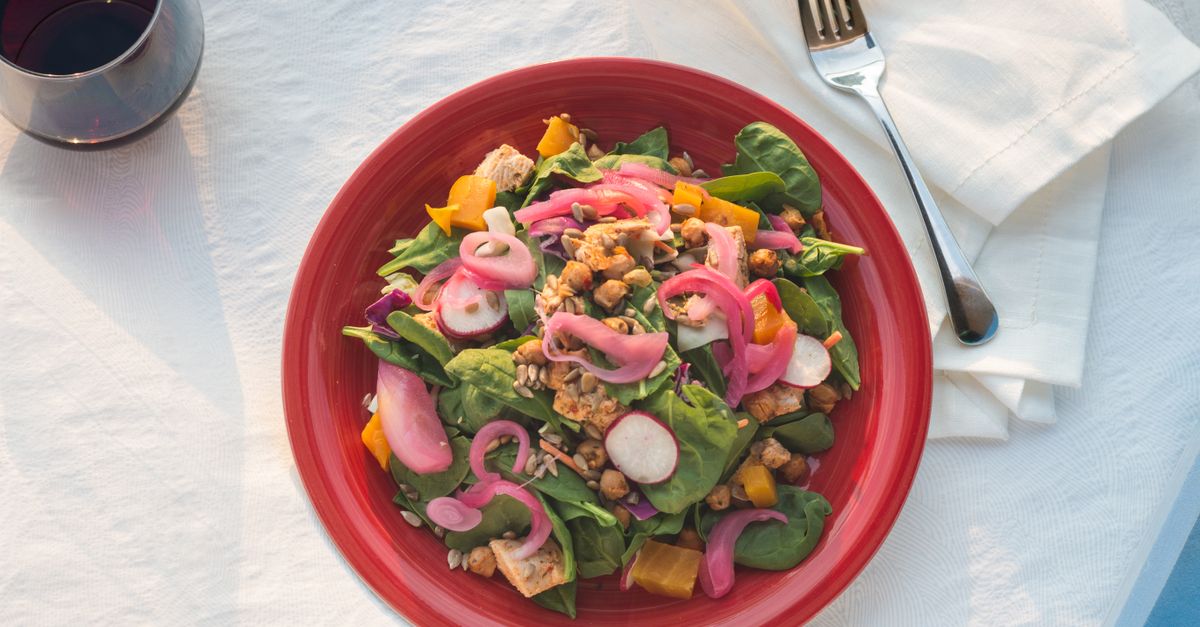
Pickled red onions sit in that rare category of kitchen projects that take almost no effort and pay back every single time. Thin-sliced raw onion goes into a jar, hot brine goes over the top, and within 30 to 60 minutes you have something bright, tangy, and genuinely crunchy that improves tacos, grain bowls, sandwiches, eggs, and pretty much anything else you can think of.
No canning equipment. No specialist ingredients. The method below is the quick-pickle (refrigerator) route, not shelf-stable preservation — the two are meaningfully different, and this one is the version most home cooks actually want.
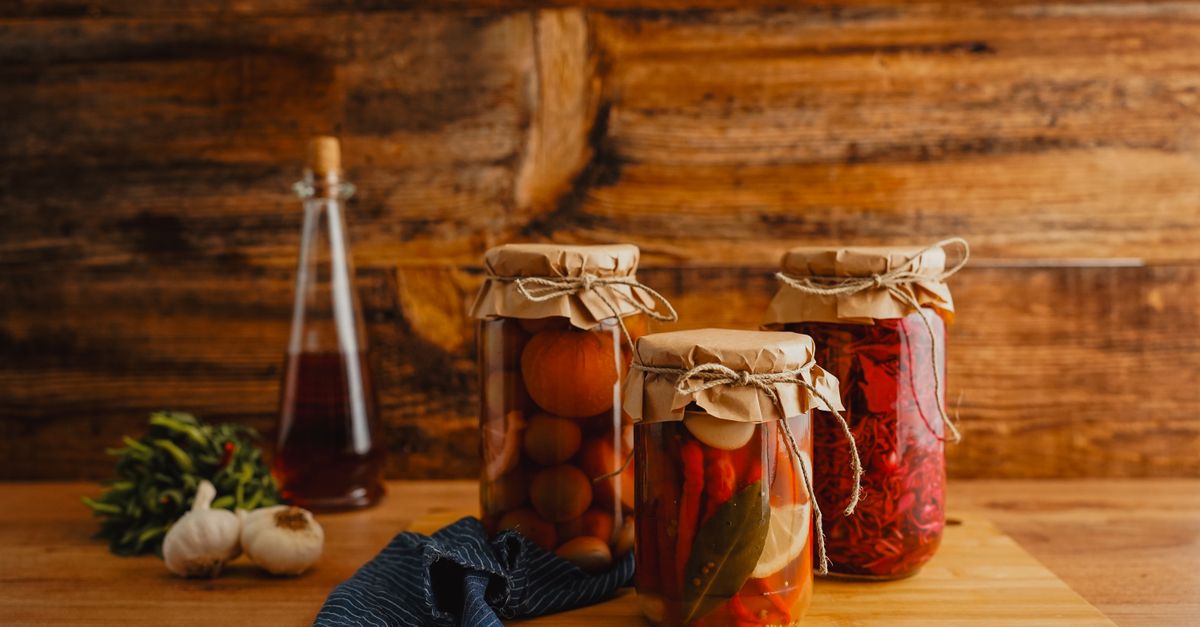
The Brine Ratio That Actually Works
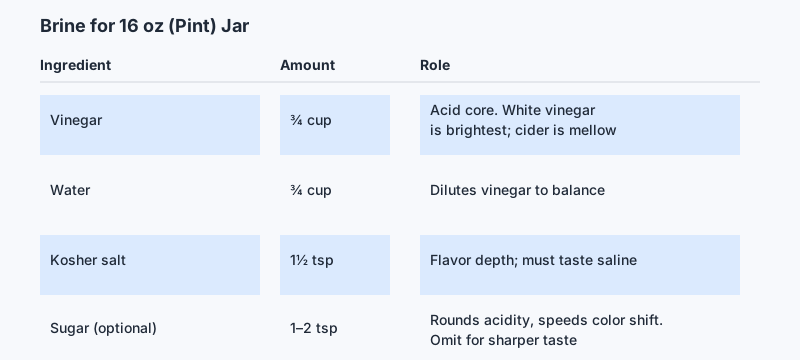
The core of any pickled onion is the brine, and the ratio of acid to liquid matters more than the specific vinegar you choose. A reliable starting point is equal parts vinegar and water with enough salt to taste saline but not sharp. Sugar is optional — it rounds the acidity and speeds up the color shift from purple to pink, but leaving it out gives a sharper result that many people prefer on richer foods.
For a standard 16 oz (pint) jar, these proportions work well:
- Vinegar: ¾ cup
- Water: ¾ cup
- Kosher salt: 1½ teaspoons
- Sugar (optional): 1 to 2 teaspoons
Distilled white vinegar gives the cleanest, brightest flavor. Apple cider vinegar adds a mellow fruitiness. Red wine vinegar deepens the savory note but can mute the pink color. Rice wine vinegar is the gentlest and suits lighter dishes like Asian salads. There is no wrong choice — pick what suits what you plan to eat them with.
Heat the brine until the salt (and sugar, if using) fully dissolves. You do not need a rolling boil; a gentle simmer for two minutes is plenty. Hot brine softens the onion slightly and shortens the pickle time; cold brine gives a crunchier result but needs several hours in the fridge.
How to Slice and Prepare the Onion
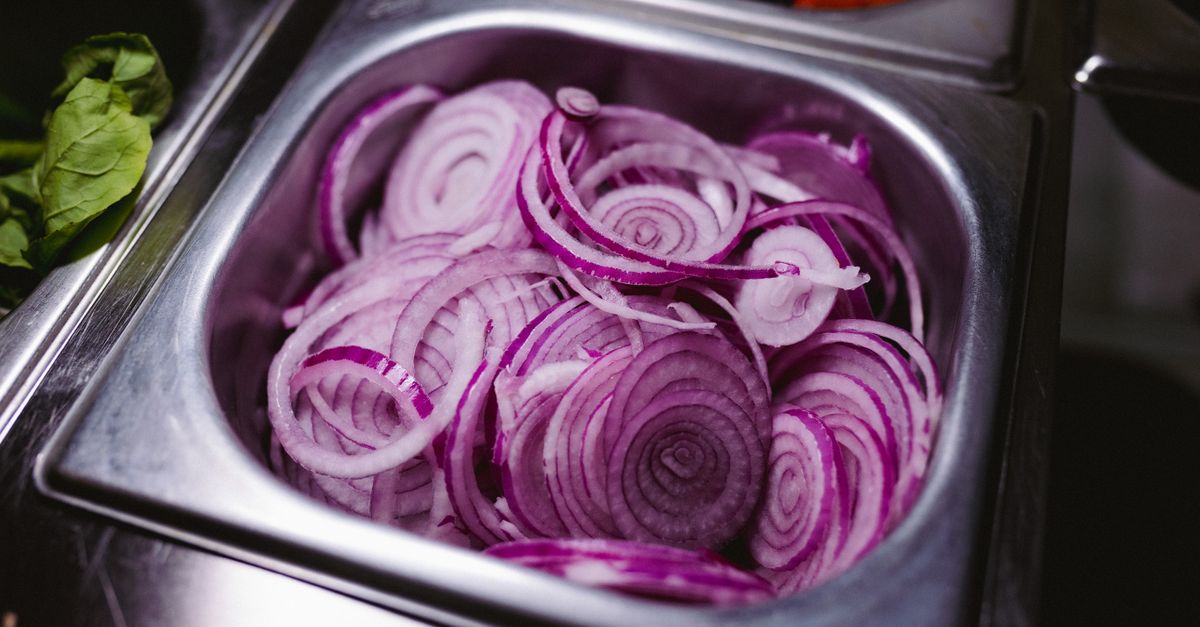
One large red onion fills a pint jar comfortably. Cut off both ends, peel it, and slice it thin — aim for slices between 1/16 and 1/8 inch thick. A mandoline hits this range reliably; a sharp chef’s knife gets you there with a little practice.
Slice direction affects texture in a subtle but real way:
- Pole to pole (root to tip): Slices hold together more and stay firmer after pickling. Good for tacos and sandwiches where you want some structure.
- Across the equator: Rings separate more easily and soften faster. Good when you want them to blend into a dish.
No blanching is needed. Some recipes call for rinsing the sliced onion under cold water to reduce harshness, and it does work — the tradeoff is slightly less depth of flavor in the finished pickle. Skip the rinse if you like a more assertive result.
Pack the slices into a clean jar. Do not compress them tightly; the brine needs to reach every slice.
Pouring the Brine and Waiting
Pour the hot brine over the onions until they are fully submerged. If a few slices float above the liquid, press them down with a spoon or tuck them under. Let the jar sit uncovered at room temperature for 20 to 30 minutes, then seal and refrigerate.
The color change is striking and happens fast. The red-purple pigments (anthocyanins) in the onion react with the acid in the brine and shift to a vivid magenta-pink within minutes. By the time the jar has cooled enough to handle comfortably, it already looks like something from a restaurant prep kitchen.
For eating, timing depends on how you sliced them:
- 30 to 60 minutes: Lightly pickled, some raw bite still present. Good if you like crunch and mild tang.
- 2 to 4 hours: More evenly softened, balanced flavor. The sweet spot for most uses.
- Overnight: Fully pickled, deeply flavored, softer texture. Best for dishes where the onion is a supporting ingredient rather than a textural contrast.
Flavor Variations Worth Trying
The basic brine is a foundation. A few aromatics added to the jar before pouring in the brine change the character entirely:
- Garlic cloves (1 to 2, lightly crushed): Savory depth; pairs well with red wine vinegar.
- Black peppercorns (½ teaspoon): Mild heat, works with nearly everything.
- Dried red chili flakes (¼ teaspoon or more): Spicy pickled onions for tacos and barbecue.
- Cumin seeds (½ teaspoon, toasted): Earthy and smoky; good on grain bowls.
- Fresh thyme or rosemary (one small sprig): Herby note that suits Mediterranean dishes.
- Bay leaf: Quiet background depth, especially noticeable after 24 hours.
Add one or two, not five. Layering too many aromatics muddies the result and you lose the clean tang that makes pickled onions useful in the first place.
If you want to explore other ways to transform a humble onion, How to Caramelize Onions Properly: A No-Shortcut Guide shows how patience and low heat turn them into something completely different.
How Long Do They Keep?
Refrigerator-pickled onions are not shelf-stable. They are a fresh condiment preserved by acid and cold, not by sterile canning. Kept in a sealed jar in the fridge, they stay at their best for about two weeks. After that the texture continues to soften and the brine can turn slightly murky — not dangerous, but past their prime.
A few practical storage notes:
- Always use a clean utensil to pull onions from the jar. Introducing bacteria from a fork that has touched other food shortens their life.
- Keep the onions submerged. Slices that sit above the brine soften unevenly and may develop off flavors more quickly.
- Glass jars seal better than most plastic containers and do not absorb the vinegar smell. A wide-mouth pint mason jar is the practical standard.
If you want shelf-stable pickled onions you can store at room temperature for months, that requires a different process: sterilized jars, tested brine acidity levels, and water-bath canning following guidance from a food safety authority. Quick-pickling is not a substitute for that.
When Pickled Onions Make Everything Better
Put them on fish tacos with shredded cabbage and crema. Layer them into a bánh mì or a Cuban sandwich. Toss them onto a lentil salad with feta. Serve them alongside scrambled eggs and avocado toast. Add them to any grain bowl where the base grains are rich or starchy — the sharpness cuts through in a way that no fresh ingredient quite matches.
They are particularly effective anywhere fatty or creamy ingredients dominate. The acidity does what a squeeze of lemon does, but with more complexity and texture.
Make a jar on Sunday and you will reach for it every day through the week.
For a dish that practically begs for a bright, tangy topping, Pan-Seared Salmon: How to Cook It Perfectly Every Time is a perfect pairing.
Frequently Asked Questions
Do pickled red onions need to be refrigerated?
Yes, refrigerator-pickled onions must be kept cold. They are not preserved through sterile canning, so the fridge is what keeps them safe. Leave them at room temperature only during the brief initial pickle window (30 to 60 minutes), then seal and refrigerate.
Can I reuse the brine for a second batch?
You can, once. The brine weakens after its first use — some of its acidity is absorbed by the onions and some evaporates during heating. A second batch pickled in reused brine will be milder and may not keep as long. If you do reuse it, bring it back to a simmer and taste it before adding the onions; add a splash of fresh vinegar if it tastes flat.
Why did my pickled onions turn brown instead of pink?
Brown color usually points to one of two things: the onion was left too long at warm temperatures before refrigerating, or the vinegar was too dark (balsamic or malt vinegar will make the brine brown regardless). Stick with white, cider, or red wine vinegar and refrigerate within an hour for the signature pink.
Can I pickle yellow or white onions the same way?
Yes, the method is identical. Yellow and white onions will not turn pink — they stay pale or cream-colored — but the flavor is similar. Red onions are preferred mainly for the dramatic color, which makes them visually useful as a garnish.
Do I have to use hot brine, or can I pour it in cold?
Cold brine works fine and produces a noticeably crunchier pickle. The tradeoff is time: cold-brined onions need at least 4 to 6 hours (ideally overnight) to reach a well-pickled state, while hot brine gets you there in under an hour. Choose based on when you need them.