Vinegar and Patience Clear Most Cloudy Exterior Windows

Cloudy or water-stained exterior windows are almost always a mineral deposit problem, not a glass problem. Hard water leaves behind calcium and magnesium salts every time a sprinkler clips the pane, rain evaporates on a warm surface, or a hose rinse dries too fast in the sun. The glass looks etched or fogged, but in most cases the surface is intact and the residue is removable with the right chemistry and a little time.
The exception worth knowing upfront: if the cloudiness sits inside a double- or triple-pane unit, it means the seal has failed and the insulating gas has escaped. That cloudiness will not respond to any surface treatment. More on that below.
What Kind of Stain Are You Actually Dealing With?
Before mixing anything, press your fingertip to the glass and slide it across the white film. If the residue feels slightly rough or chalky, it is a mineral deposit. If the glass feels smooth but looks hazy, suspect an organic film (mold, algae, oxidized screen residue, or old wax buildup). Each responds to a different treatment.
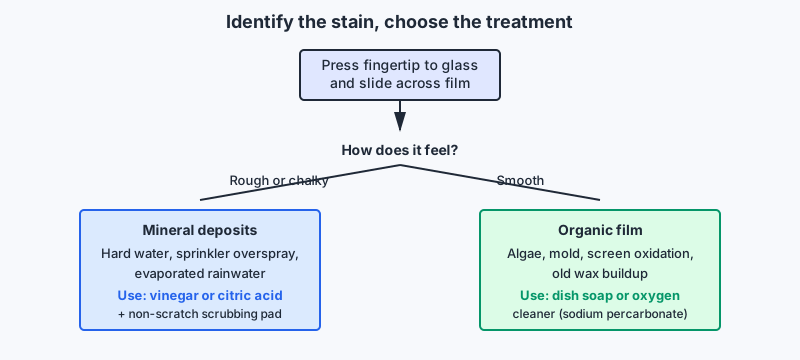
| Stain type | Texture clue | Primary cause | Best first approach |
|---|---|---|---|
| Mineral / hard water | Chalky, faintly rough | Irrigation overspray, evaporated rainwater | Acid-based cleaner (vinegar, citric acid) |
| Organic film | Smooth, possibly greenish or tan | Algae, mold, screen oxidation | Dilute dish soap or oxygen cleaner |
| Old wax or protectant | Slightly slick, smeared | Previous treatment or construction coating | Isopropyl alcohol, then re-clean |
| Failed IGU seal | Smooth, inside the pane | Broken thermal seal | Professional glass replacement |

Removing Mineral Deposits with Vinegar and Citric Acid
Acid dissolves calcium and magnesium carbonate. Plain white distilled vinegar (around 5% acetic acid) handles light-to-moderate hard water film. For heavier buildup that has been baking on the glass through several seasons, citric acid powder mixed in water gives you a stronger and more controllable result.
What you need:
- White distilled vinegar, or citric acid powder dissolved in warm water
- A spray bottle
- A non-scratch scrubbing pad (the kind labeled safe for glass or non-stick cookware)
- A clean microfiber cloth or a squeegee
- A bucket of plain rinse water
Steps:
-
Rinse the glass first. Loose dirt turns abrasive under a scrubbing pad. A quick rinse with plain water removes grit and cools the glass surface on sunny days — acid cleaners flash-dry in direct sun before they can do their work, leaving new deposits behind.
-
Apply the acid solution generously. Spray vinegar or your citric acid solution onto the stained area and let it sit for three to five minutes. Do not let it dry. If you are working in warm weather or full sun, do one small section at a time.
-
Scrub with light pressure. Use the non-scratch pad in small circular motions. You should see the chalky film loosen within thirty seconds. Avoid steel wool or abrasive scouring pads — they leave micro-scratches that catch future mineral deposits faster.
-
Squeegee or wipe off. Remove the loosened residue and cleaning solution immediately. A rubber squeegee leaves fewer streaks than a cloth; wipe the squeegee blade after each pass.
-
Rinse thoroughly. Any residual acid left to dry can itself leave a faint film. A second rinse with clean water and a final squeegee pass finishes the job.
-
Repeat for stubborn spots. Severe deposits may need two or three rounds. You can also lay a vinegar-soaked paper towel flat against a particularly stubborn spot and leave it for ten to fifteen minutes before scrubbing — the extended dwell time helps.
Does it damage the window frame or seals? Dilute vinegar is generally safe on aluminum and vinyl frames for brief contact. Rinse frames and rubber seals promptly rather than letting them soak. On painted wood frames, avoid prolonged contact and rinse immediately.
The same vinegar-soaking principle works wonders indoors too, as explained in How to Unclog a Showerhead: Dissolving Mineral Buildup With Vinegar.
Dealing with Organic Film and Algae
Greenish or tan haze along the bottom of exterior windows usually means algae or mold fed by pooling rainwater and shade. Acid cleaners are less useful here; a surfactant does more work.
Mix a few drops of plain dish soap in a bucket of warm water. Wipe the glass, let the soap dwell for a minute, then scrub gently and rinse. For persistent algae, a dilute solution of oxygen-based cleaner (sodium percarbonate type) breaks down organic material without the harsh fumes of bleach. Whatever you use, protect nearby plantings by wetting them before you start and rinsing them after — runoff from any cleaner can stress plants.
If you see what looks like mold inside the home near the window (not on the glass itself), that is an indoor air quality issue separate from the glass stain. The EPA has guidance on identifying and addressing household mold.
Why Do Windows Cloud Up from the Inside of the Pane?
Double-pane windows (insulated glass units, or IGUs) are sealed at the factory with desiccant along the spacer bar to absorb any moisture trapped inside. When the perimeter seal fails, outdoor humidity gets in. The desiccant eventually saturates, and water vapor condenses on the inner glass surfaces. The result is a haze, fogging, or streaking you cannot reach with any cloth or cleaner.
Seal failure happens for several reasons: thermal cycling over many years, frame movement, improper installation, or physical impact. UV exposure degrades the sealant around the perimeter over time.
Your options when a seal fails:
- Panel replacement. A glazier can order and install just the insulated glass unit without replacing the entire window frame, provided the frame is in good shape. This is often the most cost-effective repair.
- Full window replacement. When the frame itself is damaged, warped, or very old, replacing the whole window makes more sense.
- Defogging services. Some companies drill small holes in the pane, inject a cleaning agent, and seal the holes. Results vary considerably. The underlying seal is still compromised, so the fogging tends to return. This is worth considering only as a temporary or budget-limited solution.
Before calling anyone, check whether the window is still under a manufacturer’s warranty. Many insulated glass units carry a seal warranty; a window that fogs within that period may be replaced at low or no cost.
Preventing Stains from Coming Back
Cleaning removes the buildup; preventing it requires addressing the source.
Sprinkler overspray is the leading cause of hard water staining on ground-floor windows. Adjust sprinkler heads so they do not throw water onto glass, or switch those zones to drip irrigation. This alone eliminates the most common re-staining cycle.
Rainwater runoff from overhanging surfaces — concrete ledges, metal flashing, or dirty roof edges — concentrates mineral load and organic debris. Keeping gutters clean reduces how much mineralized water reaches the glass.
Post-cleaning protection. A thin coat of car-grade rain repellent (the hydrophobic type designed for automotive glass) applied after cleaning causes water to bead and run off rather than sheet and evaporate on the surface. Reapplication frequency varies by product and weather exposure, so read the manufacturer’s guidance. This step meaningfully extends the time between cleanings when overspray cannot be eliminated entirely.
Timing washes. Clean windows on a cloudy day or in the early morning. Cleaning in direct midday sun causes solution to dry before you can remove it, effectively baking mineral residue back onto the surface.

When Is Professional Help Worth It?
DIY cleaning handles most mineral and organic staining. Bring in a professional window cleaner when:
- The windows are above the first floor and safe ladder access is not available
- Chemical cleaning has not worked after three attempts and the glass still looks dull (this may indicate actual etching, which requires polishing compounds and buffing equipment)
- The cloudiness is inside the pane (seal failure, as described above)
- Windows are specialty glass (leaded, low-E coated, or antique) where abrasive or acid treatments could do damage
True glass etching — where minerals have actually micro-pitted the surface rather than just sitting on it — requires a cerium oxide polishing compound applied with a buffing machine. This is not a weekend DIY task on large panes, but a skilled glazier or glass restoration service can restore clarity in cases where the damage looks permanent.
Frequently Asked Questions
Does white vinegar damage window glass?
At the concentrations in standard white distilled vinegar (around 5% acetic acid), it does not etch or damage glass. The concern is prolonged contact with rubber seals, painted frames, or low-E coatings on specialty glass. Keep dwell time short, rinse promptly, and avoid it on windows the manufacturer has labeled as coated.
How do I tell if the haze is on the surface or inside the pane?
Run a dry cloth or finger across the glass. If the haze smears or shifts at all, it is on the surface. If the glass feels perfectly smooth and clean but the cloudiness stays put, it is trapped between the panes and no surface treatment will remove it.
Can a fogged double-pane window be repaired without full replacement?
Sometimes. Panel-only replacement (swapping the glass unit while keeping the frame) works when the frame is intact. Defogging services that drill and inject are less reliable because the seal is still compromised. Full window replacement is the permanent fix when the frame is also degraded.
Will a pressure washer remove hard water stains?
Pressure alone does not dissolve mineral deposits. Plain water pressure, regardless of force, cannot break the calcium carbonate bond the way acid can. A pressure washer is useful for rinsing a large surface but should not substitute for chemical treatment on stained glass, and high pressure too close to window seals can force water into the frame.
How often should exterior windows be cleaned to prevent staining?
This depends entirely on your water source and local conditions. In areas with very hard municipal water and active sprinkler systems, buildup can appear in a matter of weeks. In soft-water regions with no overspray, annual cleaning may be plenty. Watch the glass after rainstorms: if you consistently see white rings when it dries, your interval should shorten.