Entryway Shoe Racks: Choosing the Right One for Your Space
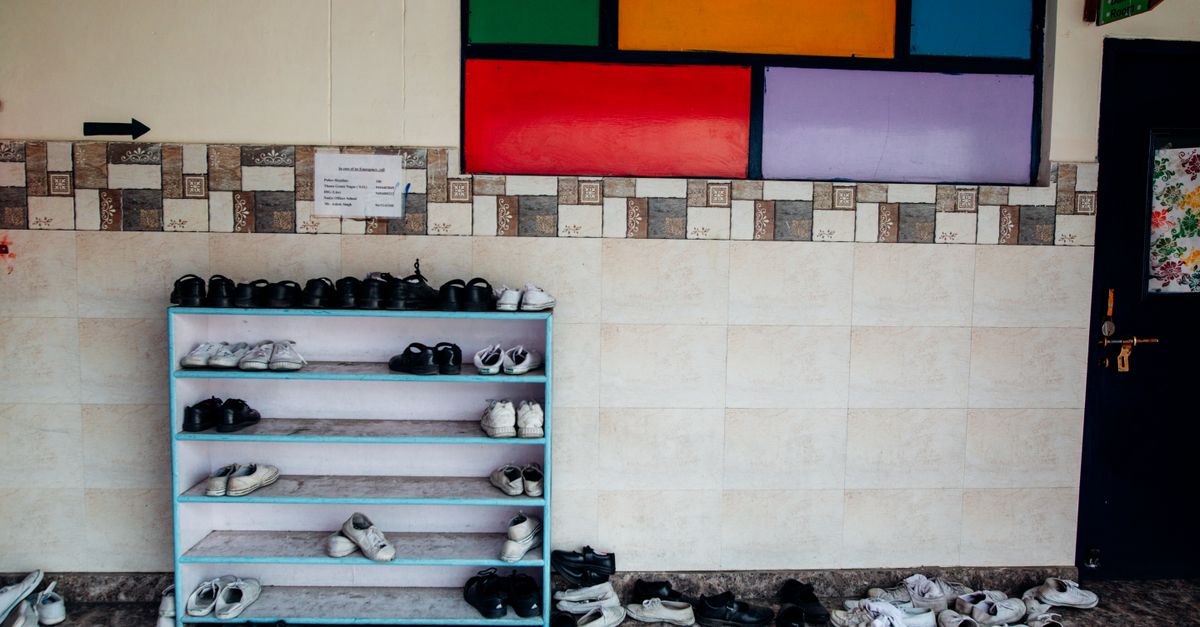
Entryways are the first thing guests see and the last place you want a pile of tangled sneakers blocking the door. A well-chosen shoe rack solves that without eating your budget — but the wrong one will wobble after a month, trap odors, or simply not fit the space. This guide cuts through the noise and tells you exactly what to look for, which styles suit which situations, and what to skip.
What to Measure Before You Buy Anything
Size mismatches are the most common reason a shoe rack ends up returned or stuck in the garage. Before browsing, take three measurements: the width of the wall or cabinet niche, the floor-to-ceiling clearance if you want a tall unit, and — often overlooked — the depth of the largest shoe in the household.
Men’s size 13+ sneakers run about 32–34 cm (12.5–13.5 in) long. Most slab-style racks are designed for a maximum of 30 cm, so oversized shoes will hang off the edge and defeat the purpose. If anyone in the household wears large sizes, look specifically for deep-shelf or open-tray designs, or angled racks that shorten the effective footprint by storing pairs on a slant.
Entryway widths vary wildly. A typical interior hallway is 90–120 cm wide; a small apartment foyer can be as narrow as 60 cm. Compact stackable cubes (each module roughly 30 cm square) let you add capacity without committing to a fixed frame.
Which Style Actually Fits Your Entryway?
Each rack format solves a different problem. Matching style to situation matters more than brand or price.
| Style | Best for | Max pairs (typical) | Depth needed | Watch out for |
|---|---|---|---|---|
| Open-slab / flat shelf | Quick grab-and-go, rental spaces | 6–12 | Shallow (20–25 cm) | Dirt falls through to lower shelves |
| Angled / slant rack | Tight wall space, visual tidiness | 6–10 | Very shallow (15–20 cm) | Not great for boots or thick soles |
| Stackable cube | Growing households, flexible layout | Unlimited (modular) | 30 cm per cube | Individual cubes can shift over time |
| Bench with storage | Small entryway needing seating too | 6–8 below bench | 30–35 cm | Heavy; hard to move once filled |
| Over-door organizer | Zero floor footprint | 6–10 (fabric pockets) | 0 cm floor | Only fits flats/sandals; strains door |
| Cabinet / closed | Odor control, formal interiors | 12–20 | 35–40 cm | Ventilation needed; higher cost |
If your hallway feels cramped no matter which rack you pick, How to Make a Small Room Look Bigger: Light, Color, And Tone Tricks offers useful tricks for making the whole space feel more open.
Open Shelves: Simple but Demanding
Open steel or wood shelves are the cheapest and most common option, and they work well when shoes are reasonably clean and the entryway isn’t a showpiece. The real downside: grit and mud that fall off boots land directly on the lower shelf, and without walls or doors nothing hides the mess.
If you go open-shelf, choose powder-coated steel over raw wood for longevity — the coating resists humidity and the scratches that bare metal accumulates. Wire frames ventilate better than solid shelves, which matters in damp climates.
Slant-Style Racks: Space Efficiency With Limits
Angled racks store shoes heel-up at roughly a 30–45° angle, cutting the floor footprint almost in half compared with a flat shelf. That makes them genuinely useful in narrow corridors where every centimeter counts. The trade-off: tall or thick-soled footwear — chunky sneakers, work boots, anything over about 5 cm of sole — doesn’t sit stably on the angled bars, and the visual tidiness falls apart fast with a mixed-footwear household.
Bench Combos: Two Problems, One Piece
A storage bench solves the “I need somewhere to sit while putting shoes on” problem and the storage problem simultaneously. Look for benches where the seat lifts (flip-top lid storage) rather than just having an open shelf below — lid storage contains clutter and odors more effectively. Structural note: the seat needs to bear adult body weight safely, so solid wood or steel-framed benches with center supports hold up better than basic MDF designs.
Cabinets: Worth the Extra Cost?
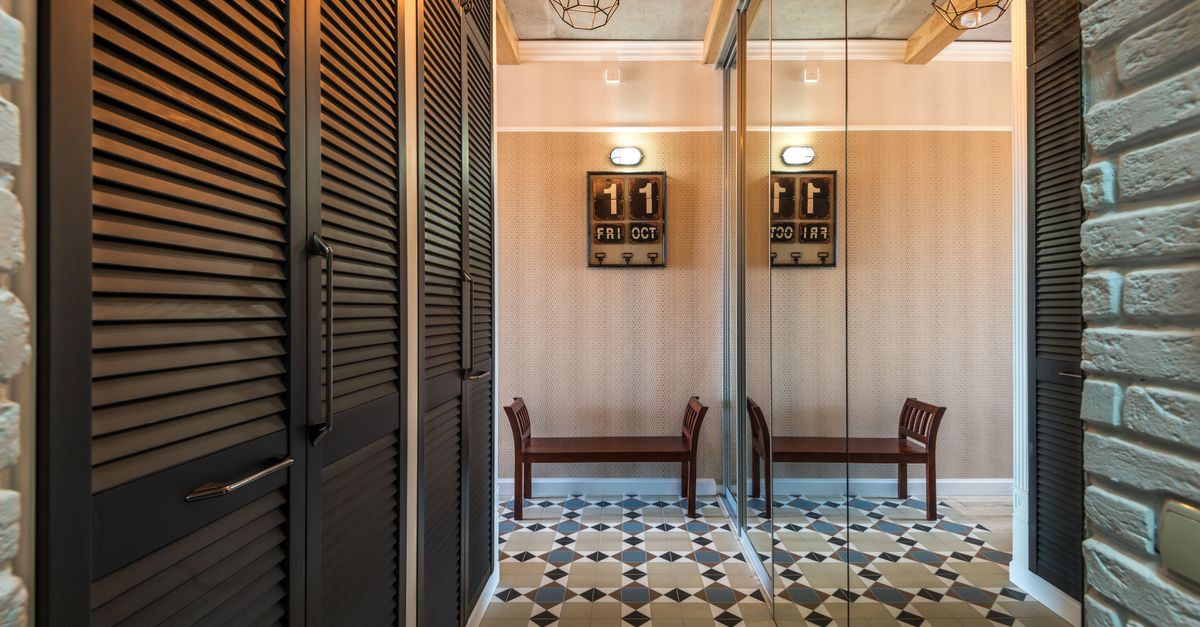
Closed shoe cabinets keep odors inside and maintain a clean aesthetic — a real advantage in open-plan apartments where the entryway is visible from the living area. The catch is ventilation: shoes that go away damp will grow mold inside a sealed cabinet. Look for models with louvered or perforated doors that allow airflow, or leave the doors slightly ajar after storing wet footwear.
Materials: What Lasts vs. What Disappoints
Material choice determines how long the rack survives the abuse an entryway throws at it — dirty soles, wet umbrellas dripping, seasonal salt and mud.
Powder-coated steel is the workhorse choice. Durable, easy to wipe down, resistant to moisture short of standing water, and typically inexpensive. Avoid cheap chrome-plated wire racks — the plating chips in high-humidity spots and the rust underneath stains floors.
Solid wood (bamboo, pine, teak) looks good and is reasonably durable when properly finished. Bamboo is dense and dimensionally stable; pine is softer and dents, but takes paint well. Any solid wood near a front door that takes rain and mud needs a sealed or lacquered finish — untreated wood swells and warps seasonally.
MDF and particleboard are common in budget flat-pack designs. Fine for dry interiors but they swell and delaminate when repeatedly exposed to water. Not a great choice for climates with wet winters or households where shoes often come in wet.
Fabric and non-woven polypropylene appear in over-door organizers and soft-sided cubbies. Easy to move and cheap, but hard to clean and they sag over time under shoe weight. Better suited to closets than entryways.
Plastics (polypropylene, ABS) are water-proof and light. Stackable plastic cubes are a practical modular option, though cheaper units can crack or warp under heavy footwear.
How Many Pairs Do You Actually Need to Store?
Count the pairs that regularly live at the front door — not the total in the house. For most households, that number is 2–4 pairs per person who uses the front entrance routinely. A family of four realistically needs 8–16 slots. If guests frequently stay over, add a tier.
A common mistake is buying for the whole shoe collection. Entryway racks work best when they hold only the current season’s rotation; the rest lives in closets or bedroom storage. That distinction keeps the entryway functional rather than a satellite closet.
Stability and Safety: What to Check Before Buying
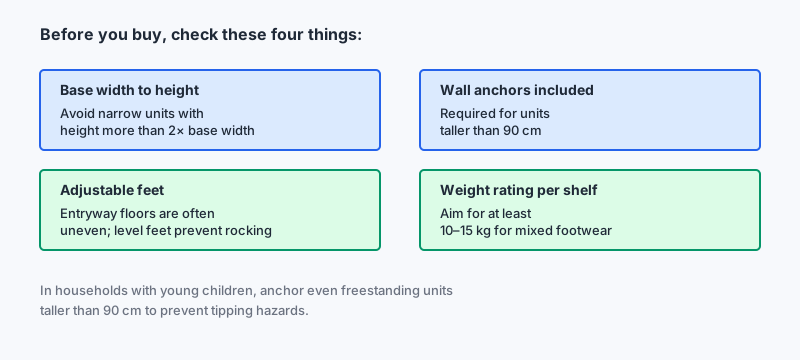
A rack that tips when a child grabs the top shelf is a real hazard. Stability checks:
- Wide base relative to height. Tall, narrow racks (more than 2:1 height-to-width ratio) tip easily, especially when top shelves are loaded.
- Wall-anchoring hardware. For units over 90 cm tall, look for included wall anchors. Freestanding tall units in households with young children should always be anchored.
- Adjustable feet. Entryway floors are often slightly uneven. Leveling feet stop the unit from rocking.
- Weight rating per shelf. Cheaper listings often omit this. Aim for at least 10–15 kg per shelf for mixed footwear, more if you store heavy boots.
Frequently Asked Questions
How many shoes can a standard entryway bench hold?
Most storage benches have a lower shelf or interior compartment sized for 6–8 pairs of adult shoes. Designs with a flip-top lid over a box compartment tend to fit fewer pairs than open-shelf benches, but they hide clutter and odors better. Check the interior dimensions, not just “pairs” claims in listings, since pair estimates assume average-size flat shoes.
Do closed shoe cabinets cause odors to build up?
They can if shoes go in while still damp from sweat or rain. The best way to prevent this is to let footwear air out for 20–30 minutes before putting them away. Cabinets with louvered or perforated doors allow ongoing airflow that helps significantly. A small activated-charcoal sachet inside the cabinet absorbs residual moisture and odor without chemicals.
Are over-door shoe organizers actually sturdy enough?
For lightweight footwear — canvas flats, sandals, slippers — yes. The individual fabric pockets typically handle 0.5–1 kg well, which covers most casual shoes. Heavier footwear (leather boots, thick-soled sneakers) will stretch the pockets and strain the door hooks over time. Over-door organizers also only work if the door swings outward away from the organizer, so check clearance before buying.
What’s the easiest entryway shoe rack to clean?
Powder-coated steel wire racks are the easiest — wipe with a damp cloth, and dried mud brushes straight off the open frame. Closed wood cabinets are next if the interior is lined or sealed. Fabric cubbies and non-woven polypropylene shelves absorb grime and are difficult to clean thoroughly once dirt is ground in.
Can I use a shoe rack on a tile entryway floor?
Yes, but look for racks with rubber or silicone feet to prevent sliding. Felt pads that work fine on wood scratch or slide on smooth tile. If the rack is tall and freestanding, consider wall-anchoring even on tile — tapcon anchors into concrete backer or tile can be used carefully, or use a stud in the adjacent drywall if the baseboard allows.