Step Stools for High Shelves: Find the Right Fit
Disclosure: This post may contain affiliate links. We may earn a commission at no extra cost to you. See our Affiliate Disclosure.
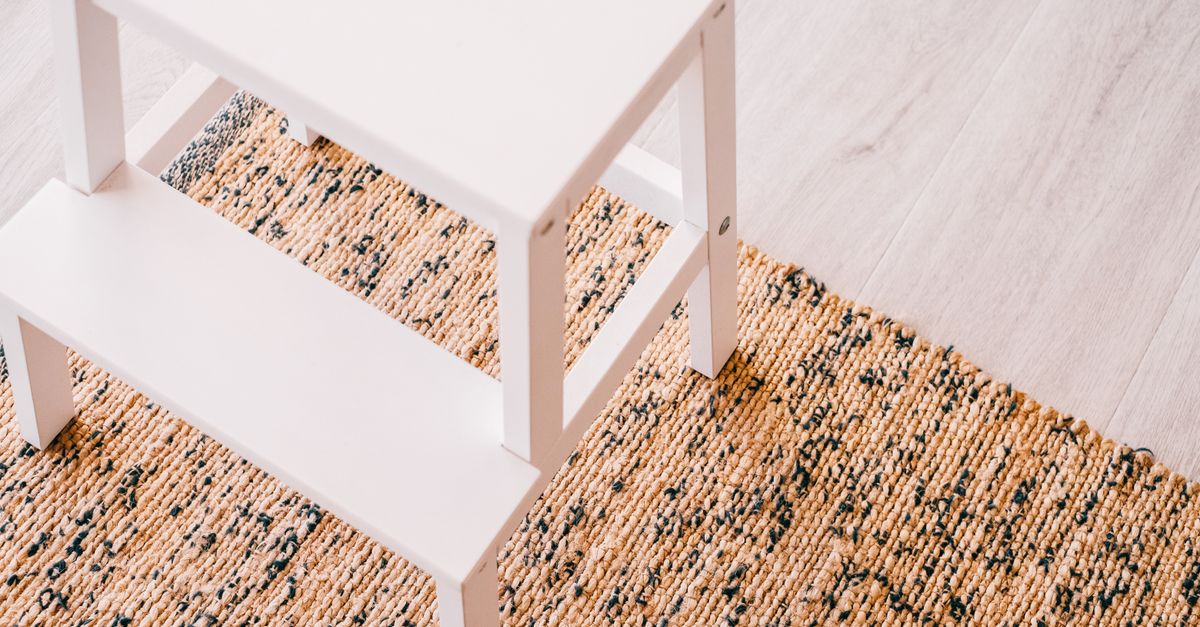
Reaching the top shelf shouldn’t require a leap of faith or a wobbly chair. A purpose-built step stool is one of those household tools that earns its keep every single day — and the difference between a good one and a bad one is felt in the knees, not just the wallet.
This guide covers every major type, calls out the trade-offs most reviews gloss over, and ends with specific recommendations for different households.
What Actually Matters When Choosing a Step Stool
Before you start comparing specs, it helps to anchor on four criteria that separate a stool worth owning from one that ends up in the garage after a week.
If your goal in reaching those high shelves is really about making a cramped space feel more open, our guide How to Make a Small Room Look Bigger: Light, Color, And Tone Tricks tackles that broader challenge.
Load Capacity (and Why the Number Is Misleading)
Manufacturers list capacity in pounds or kilograms, but that figure is tested under static, controlled conditions. Real use involves shifting weight, carrying items up or down, and leaning sideways. OSHA’s ladder rule is worth borrowing here: a ladder must not be loaded beyond its maximum intended load, and that load counts you plus every tool, box, and paint can you carry up (29 CFR 1910.23). Translating that into a shopping rule of thumb — ours, not a published standard — pick a stool rated at least 50 lbs above your own body weight, which for most adults means 250 lbs or more.
Step Surface and Grip
Grip texture is more important than height. A rubber-treaded step, a non-slip mat insert, or a molded anti-slip pattern keeps your foot planted when you’re stretching to reach. Smooth plastic platforms — especially on cheaper folding models — are a real hazard on tile and hardwood floors.
Base Stability
Look at the footprint relative to the height. A stool that tops out at 9–12 inches with a narrow base is fine. One that reaches 24 inches or more with the same footprint is a different risk profile. Wider rear legs, rubber feet on all contact points, and a locking mechanism on folding steps all matter here.
Storage Footprint
Most people underestimate how annoying a bulky stool becomes in a small kitchen or bathroom. Folding stools collapse flat; step ladders do not. If storage space is limited, the fold-flat design earns points even if it costs a little stability.
While you’re up on a step stool checking high corners, it’s also a good time to review Smoke Detector Testing & Battery Replacement Done Right for the units mounted near your ceiling.
The Main Types, and When Each Makes Sense
One-Step Stools: The Everyday Kitchen Workhorse
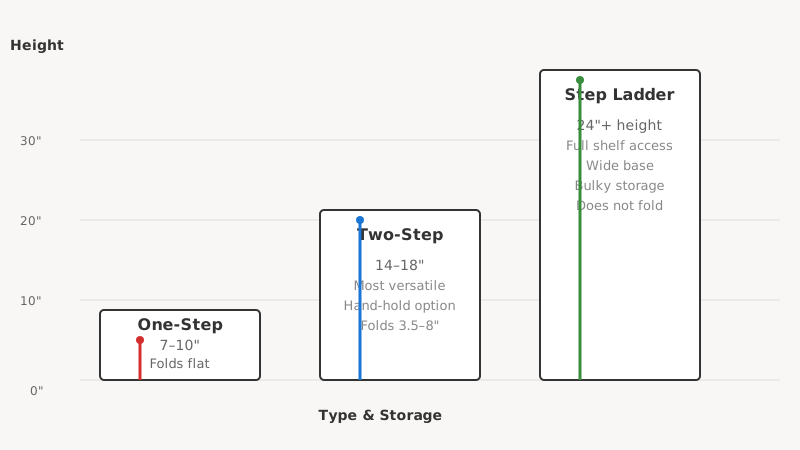
A single-step stool typically raises you 7–10 inches. That’s enough to comfortably reach the second-highest shelf in most standard kitchens (upper cabinets that run to about 84 inches from the floor). They fold almost flat — often under 2 inches thick — and hang on a hook or slide behind a door.
Best for: grabbing items from the top cabinet tier, minor bathroom reach, kids who need a boost at the sink.
Watch out for: the temptation to use them for anything more ambitious. When you need 18-plus inches of elevation, a one-step stool becomes a liability.
Capacities and dimensions below are as listed by the manufacturers at the time of writing; both change between production runs, so check the label on the box before you buy. Strong examples in this category include the Rubbermaid RM-P1 1-Step Stool (plastic, lightweight, widely available, 300 lb listed capacity) and the Cosco Signature One-Step Folding Step Stool (steel frame, rubber feet, slightly wider platform).
Two-Step Stools: The Most Versatile Pick
Two-step stools give you roughly 14–18 inches of usable elevation, which is enough for the very top shelf in a standard 8-foot ceiling kitchen and for replacing most light bulbs without a full ladder. The second step also gives you a hand-hold option on some models — useful when you’re carrying something bulky.
This is the category most households should default to.
Best for: kitchen cabinet tops, changing ceiling fixtures, pantry shelves, closet organization.
Watch out for: width — some two-step stools fold down to about 3.5 inches thick, but others stay 6–8 inches wide folded, which matters for narrow pantry doors.
Notable picks: Cosco Two-Step Household Folding Step Stool (steel legs, non-slip steps, rubber feet, 200 lb rating — honest about that modest limit), and the Little Giant Flip-N-Lite 2-Step (aluminum, 300 lb capacity, notably wider rear stance for stability).

Three-Step and Platform Stools: For Serious Height
Once you need more than 20 inches of standing height, you’re in step-ladder territory. Three-step stools and compact platform ladders reach 24–30 inches of standing elevation, enough for 9- and 10-foot ceilings.
At this height, the features that matter shift significantly:
- A top-rail or grip handle becomes near-mandatory for safe mounting and dismounting
- A wide platform top step (at least 10 × 12 inches) beats a narrow rung every time
- Locking spreader bars (on A-frame designs) must engage positively — test them before trusting your weight
Best for: tall pantry shelves, garage storage, changing smoke detector batteries on high ceilings, seasonal décor on top shelves.
Watch out for: weight and bulk. A 3-step aluminum platform stool can weigh 10–14 lbs and fold to 5+ inches thick. That’s still manageable, but less grab-and-go than a one-step.
Top picks: Werner 3-Step Aluminum Ladder with Project Top (listed Type I, 250 lb rating, with a project tray on the top cap) and the Louisville Ladder 3-Step Aluminum Step Stool (fiberglass options available for electrical work, Type IA at 300 lbs).
Specialty Stools: Library, Rolling, and Folding Chairs
Library step stools combine a side table or small seat with one or two steps, and look at home in living rooms or home offices. They’re not optimized for heavy loads — most cap at 200 lbs — but they’re the right tool when aesthetics matter.
Rolling step stools (often sold as kitchen helpers or pantry ladders) attach to a fixed rail or freestand with locking casters. They’re common in professional kitchens for good reason: you can reposition without bending down to move the stool. They require a dedicated wall strip or shelf rail to mount, which is an installation commitment most people overlook when buying.
Folding step-stool chairs (step stools that double as chairs) are niche but genuinely useful for older adults who want to sit while doing tasks at counter height, or for households where space is genuinely scarce and one object needs to serve two jobs.
Matching Stool Type to Your Specific Situation
| Situation | Recommended Type | Key Feature to Check |
|---|---|---|
| Standard 8-ft kitchen ceiling | Two-step stool | Non-slip surface, rubber feet |
| 9–10 ft ceilings / high pantry | 3-step platform stool | Top-rail handle, locked spreader |
| Elderly or balance-sensitive user | Two-step with side rail | Grab handle, extra-wide base |
| Child needing sink or counter boost | One-step (child-rated) | Low height, slip-resistant top |
| Renter / small apartment | One-step fold-flat | ≤2 in. folded thickness |
| Garage or workshop | Platform step ladder | Type I or IA (250–300 lb) |
| Home library or office | Library step stool | Aesthetics + structural rating |
What the Weight Ratings Actually Mean
The duty rating stamped on the label comes from the ANSI ASC A14 ladder standards, not from OSHA — OSHA regulates how ladders are used, while the A14 standards define the classes themselves:
- Type III (Light Duty): 200 lb — household use, lighter adults only
- Type II (Medium Duty): 225 lb — standard household
- Type I (Heavy Duty): 250 lb — general use, good default
- Type IA (Extra Heavy Duty): 300 lb — best safety margin, industrial and household
OSHA doesn’t assign these classes; what it requires is that you not exceed whatever the ladder is rated for, counting everything you carry up with you. Type IA stools are not dramatically heavier or more expensive than Type II, and the safety margin is worth the modest premium. If you’re shopping for a household with multiple adults of different sizes, default to Type I or IA.
Five Questions to Ask Before You Buy
- What’s my actual reach goal? Measure the shelf height and subtract your standing reach — that gap is what the stool needs to cover. Don’t guess.
- Where will I store it? If you have to move three things to get it out, you’ll use a chair instead, which is how injuries happen.
- Who else will use it? A 4-year-old and a 200-lb adult have very different safety requirements from the same step stool.
- What surface will it stand on? Rubber feet grip tile and hardwood; they can compress and slip on polished stone or very smooth laminate. Check the underside.
- Will I be carrying items while stepping? If yes, a handle or top rail is a safety priority, not a nice-to-have.
Frequently Asked Questions
How high should a step stool be for standard kitchen cabinets?
Most upper kitchen cabinets top out at 84–96 inches from the floor, while a standing adult’s fingertip reach is commonly put at roughly 72–78 inches — figures vary by source and by how tall you are. A step that adds 12–18 inches — typical of a two-step stool — covers almost all standard kitchen cabinet access without a full ladder.
Is aluminum or plastic better for a step stool?
Aluminum is lighter, stronger for its weight, and more durable over time. Plastic (polypropylene) stools can be perfectly solid for light daily use and are often cheaper, but they degrade faster with UV exposure and heavy loads. For garage or outdoor use, aluminum is clearly the better pick. For an indoor kitchen stool used a few times a week, quality plastic is fine.
Can kids use adult step stools safely?
It depends on the weight rating and step height, but the real variable is supervision and the stool’s stability. For children under 8 or so, a purpose-made kids’ step stool (lower, wider base, lower center of gravity) is much safer than cutting down adult use. Many kid-specific stools are rated to 150 lbs and are intentionally harder to tip.
What does ’Type I’ mean on a step stool label?
It refers to the duty rating defined in the ANSI ASC A14 ladder standards: Type I is rated for 250 lbs, Type IA for 300 lbs, Type II for 225 lbs, and Type III for 200 lbs. These ratings cover static loads under controlled test conditions, so applying the 50-lb margin rule (see above) is still sound practice regardless of the rating.
Are folding step stools safe on hardwood floors?
Yes, with rubber-footed legs — which most decent stools include. The risk comes from stools with bare plastic feet or worn-down rubber pads. Check the feet condition periodically; replacement rubber feet cost almost nothing and are often the difference between a stool that stays put and one that slides.
Closing Thoughts
The best step stool is the one you’ll actually use — which means one that stores where it’s easy to grab, is rated well beyond your weight, and grips the floor you stand it on. For most homes, a two-step aluminum or steel stool with rubber feet and a 250–300 lb rating covers every common situation. If your ceilings are above 9 feet, step up to a three-step platform stool with a handle. Don’t improvise with chairs or boxes to avoid the $30–$60 most solid stools cost; it’s the kind of economy that ends in a doctor’s office.
Recommended products
- Rubbermaid RM-P1 1-Step Stool — Ultra-compact and lightweight with a 300 lb capacity — the easiest grab-and-go kitchen stool for everyday reach.
- Cosco Two-Step Household Folding Step Stool — Affordable steel-frame workhorse with non-slip steps and rubber feet; folds thin enough to hang on a pantry door hook.
- Little Giant Flip-N-Lite 2-Step Ladder — Wider rear leg stance and 300 lb Type IA rating give it stability most two-step stools can’t match.
- Werner 3-Step Aluminum Ladder with Project Top — A reliable three-step option with a broad top platform and a project tray, sized for high-shelf access in 9–10 ft rooms.
- Louisville Ladder 3-Step Aluminum Step Stool — Type IA rated at 300 lbs with fiberglass options for households that do electrical work near fixtures.
- Cosco Signature One-Step Folding Step Stool — Steel frame, wide rubber-footed base, and a slightly larger platform than most one-step stools — good for older adults.