Moisture Is the Secret to Reheating Leftovers Without Drying Out
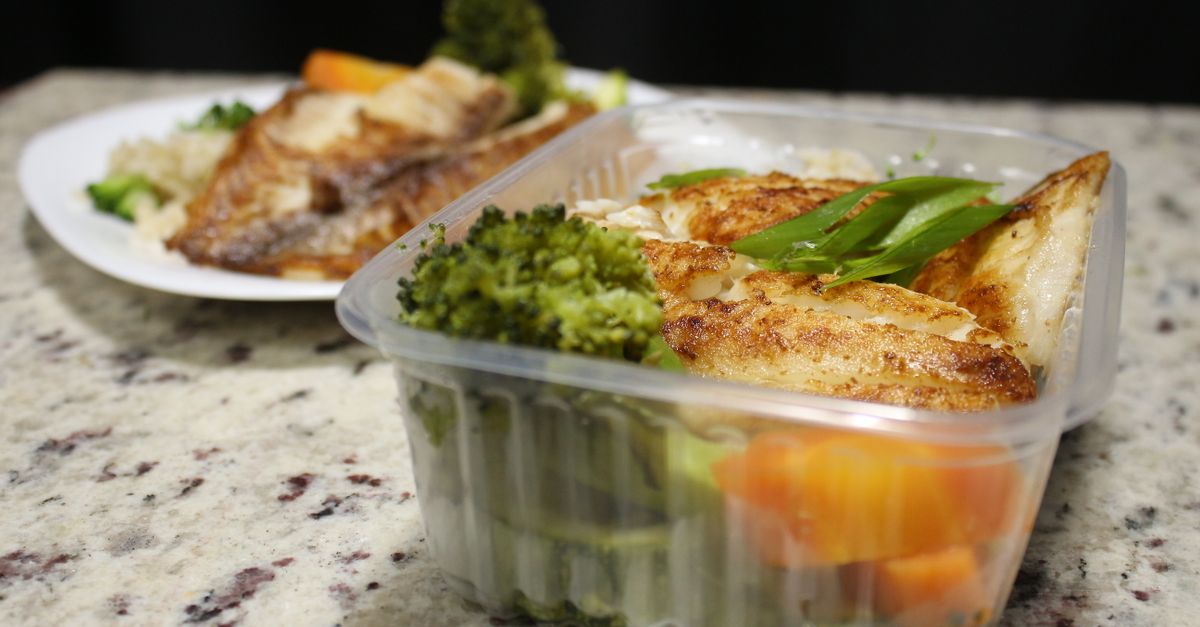
Dry, rubbery leftovers are almost always the result of heat without moisture. When food reheats, its water content evaporates quickly, and without something to replace or trap that moisture, what you get is overcooked, dried-out texture even if the food was perfectly juicy the night before. The fix is almost always simple: add a small amount of liquid, cover the food, and use a gentler heat source or a shorter time.
The method that works best depends on what you’re reheating. Rice behaves differently from roast chicken, which behaves differently from pasta or soup. Getting specific about technique per food type is where you actually stop drying things out.
Why Does Food Dry Out When You Reheat It?
Heat accelerates evaporation. Most cooked foods contain a significant amount of water bound up in their structure, and when you apply heat again, that water turns to steam and escapes. In a microwave, this happens very fast and unevenly, which is why the edges of a plate of rice can be almost scorched while the center is still cold. In a hot oven with no cover, a chicken breast loses surface moisture within the first few minutes and begins to toughen.
The two reliable countermeasures are:
- Trap the steam. Covering food with a lid, foil, or a damp paper towel keeps the released moisture inside the vessel and lets it reabsorb into the food.
- Add liquid intentionally. A splash of water, broth, or sauce before reheating gives the food a fresh moisture source to draw from as it heats.
A third lever is temperature. Lower and slower heat means less violent moisture loss. This matters most for proteins like chicken, beef, and fish, which tighten and squeeze out moisture as the heat rises.
Moisture loss isn’t just a kitchen problem, either, and the same evaporation principles show up in How to Get Wrinkles Out of Clothes Without an Iron.
Reheating in a Microwave Without Drying Out
The microwave is the most common tool and the one most likely to produce dry results if used carelessly. Three adjustments make a real difference.
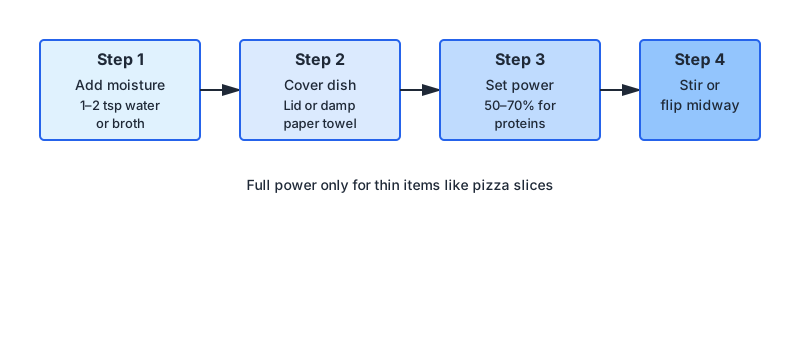
Add a small amount of moisture before heating. For rice and grains, sprinkle one or two teaspoons of water over the portion before covering. For pasta, add a small spoonful of sauce or water. For meat, a teaspoon of broth spread over the surface helps. You don’t need much; the goal is to provide a moisture source, not to steam the food.
Cover with a microwave-safe lid or a damp paper towel. A damp paper towel is especially effective: it sits directly on the food’s surface, releases steam slowly as it heats, and keeps the top layer from drying out before the center is warm.
Use 50–70% power for proteins and dense foods. Full power microwaves heat the outside faster than the inside can catch up, leading to rubbery edges. Medium power gives heat time to distribute more evenly. Thin items like a slice of pizza can handle full power for a short burst, but a thick piece of chicken or a dense casserole does noticeably better on reduced power.
Stop and stir or flip partway through for anything that can be stirred. This redistributes heat and catches cold spots before they cause you to keep microwaving past the point where the edges start drying.
Reheating in the Oven Without Drying Out
The oven takes longer but produces more even, higher-quality results for most solid foods, especially meats, casseroles, and baked dishes.
Temperature matters more than speed. A lower oven temperature, roughly in the range of 150–175°C (300–350°F), gives the interior time to warm through before the exterior loses too much moisture. Blasting leftovers at a high temperature to save time is a fast path to dryness.
Cover with foil unless you want a crisp top. Foil traps steam inside the dish. If you want a browned or crispy exterior (roast vegetables, a gratin), remove the foil for the last few minutes only.
Add liquid to the dish. For roast chicken or turkey, a few tablespoons of broth in the bottom of the baking dish, with the meat sitting in or just above it, keeps the environment moist. For pasta bakes, a splash of water or extra sauce stirred in before covering does the same job. For rice, a tablespoon of water added before sealing with foil is usually enough.
Check temperature, not time. The goal is to bring the food to a safe internal temperature without going further. Food safety guidance recommends reheating cooked leftovers until they reach an internal temperature of 74°C (165°F) throughout. A food thermometer takes the guesswork out of this and stops you from overheating in an attempt to make sure the center is done.
Reheating on the Stovetop Without Drying Out
The stovetop is ideal for anything liquid or semi-liquid: soups, stews, sauces, curries, and stir-fries. It’s also a strong choice for eggs, grains, and thinly sliced meats.
Low heat with a lid is the default. High heat evaporates liquid quickly and scorches the bottom. Medium-low heat with a lid keeps moisture in and lets the food warm through gradually.
Add liquid as needed. Soups and stews often thicken overnight in the fridge as starch absorbs liquid. Adding a splash of water or broth before heating restores the original consistency and prevents scorching. Stir occasionally to prevent anything from sticking to the bottom.
Stir-fries and rice reheat well with a splash of water in a covered pan. Put the food in the pan, add a tablespoon or two of water, cover, and let it steam over medium heat for a few minutes. The steam heats the food and rehydrates it simultaneously. Uncover at the end to let any excess evaporate if you want to restore some texture.
Delicate fish is best reheated gently in a covered pan with a small amount of liquid (water, broth, or a bit of sauce) over the lowest heat your burner can manage. Fish proteins are especially prone to toughening with aggressive heat. Even so, reheated fish is hard to bring back to its original texture; it’s one of those cases where results vary a lot depending on how the fish was originally cooked.
Special Cases: Bread, Pizza, and Fried Foods
Some leftovers are not trying to stay moist; they’re trying to stay crisp. The technique flips for these.
Bread and rolls: Wrap loosely in foil and warm in a low oven (around 150°C / 300°F) for 10–15 minutes. The foil traps just enough steam to soften the interior without making the crust soggy. For a crustier result, open the foil for the last two minutes.
Pizza: Skip the microwave if you want a crisp base. A dry skillet over medium heat with the lid on for a couple of minutes is the widely repeated method, and in practice it works well: the base crisps while the lid traps heat to melt the cheese. No added moisture needed here.
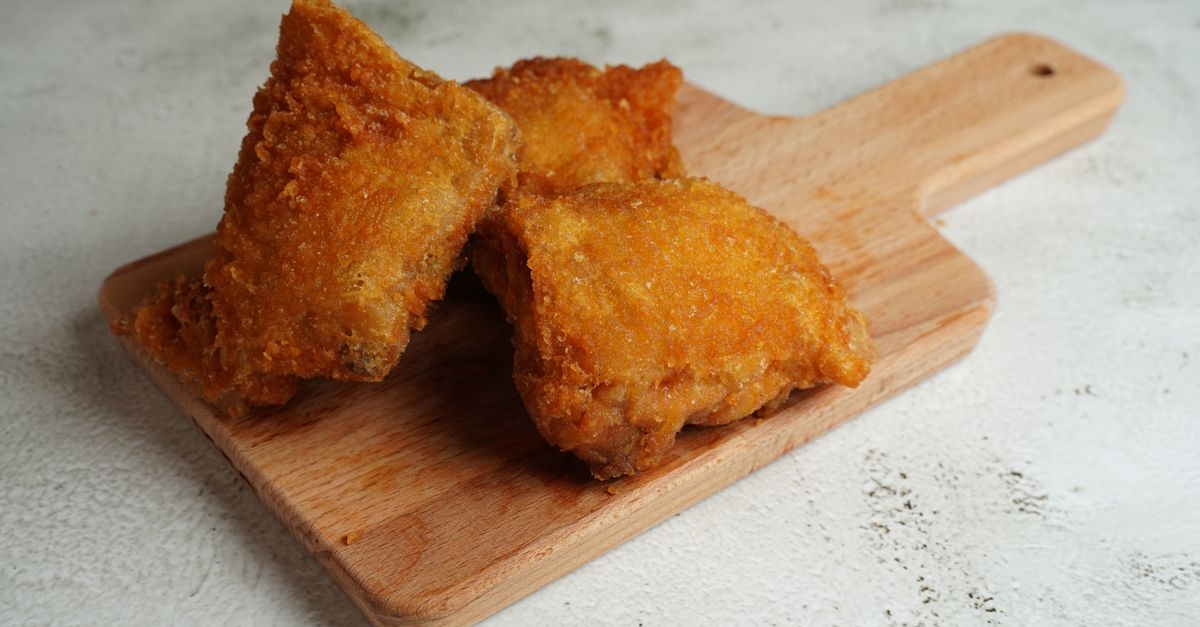
Fried foods (fries, fried chicken): An air fryer or a hot oven rack (not a baking sheet lined with foil, which traps steam underneath) is the right tool. High, dry, circulating heat re-crisps the coating without steaming it soft. A wire rack on a baking sheet lets air circulate under the food.
Safe Reheating Temperatures
Moisture and texture matter, but food safety is the non-negotiable foundation. The guidance from food safety authorities is to reheat all cooked leftovers until they are steaming hot throughout, with a minimum internal temperature of 74°C (165°F). This applies regardless of the method you use.
A few practical notes:
- Reheat only once. Each reheating cycle degrades texture further and creates additional bacterial risk if the food cools slowly in between. If you know you’ll have a large portion left over, portion it before storing so you only reheat what you’ll eat.
- Don’t reheat rice more than once. Cooked rice can harbor bacteria that survive cooking and multiply at room temperature. Cool it quickly after cooking, refrigerate within a couple of hours, and reheat it only once, thoroughly.
- Store leftovers correctly. Food that has been cooled quickly and stored in an airtight container retains more moisture in the fridge than food left loosely covered. Starting with better-stored leftovers means less moisture to replace when you reheat.
Frequently Asked Questions
Why does microwaved chicken always taste dry and rubbery?
Chicken proteins contract and expel moisture rapidly at high heat, and microwaves tend to overshoot the outer layers before the center is warm. The fix: reduce the power to 50–60%, add a teaspoon of broth or water, and cover the dish. Slice the chicken before reheating if you can; thinner pieces heat more evenly and lose less moisture in the process.
Does wrapping food in foil really make a difference?
Yes, and the mechanism is straightforward: foil traps steam released by the food and forces it to reabsorb rather than escape. Without any cover, that steam simply disappears into the oven. The difference is most noticeable with lean proteins and rice, where there’s relatively little fat to compensate for moisture loss.
Can you reheat leftovers from frozen without thawing first?
You can, but it increases the risk of the outside overcooking while the center is still frozen. For most foods, thawing overnight in the refrigerator first produces more even results. If you reheat from frozen, use lower heat, cover well, and add extra time, checking the internal temperature to confirm the center reaches 74°C (165°F).
What’s the best way to reheat leftover rice?
Add one or two teaspoons of water per serving, cover tightly (with a lid, plate, or damp paper towel), and microwave on full power for 90 seconds to two minutes. On the stovetop, a covered pan with a tablespoon of water over medium-low heat works equally well. Either way, the steam is what brings the grains back to life.
If your rice turns out gluey before it even gets to the reheating stage, our guide to How to Cook Brown Rice Without It Getting Mushy can help you fix the problem at its source.
How do I know when leftovers are actually reheated safely, not just warm on the outside?
A food thermometer is the only reliable answer. Insert it into the thickest or most central part of the food; if it reads 74°C (165°F) or above, the food is safe. Steaming visibly from the center is a reasonable proxy for thick stews and soups, but for solid foods like chicken or a casserole, visible steam at the edges does not guarantee the center has reached a safe temperature.