Why Does Homemade Gnocchi Turn Out Dense and Gummy?
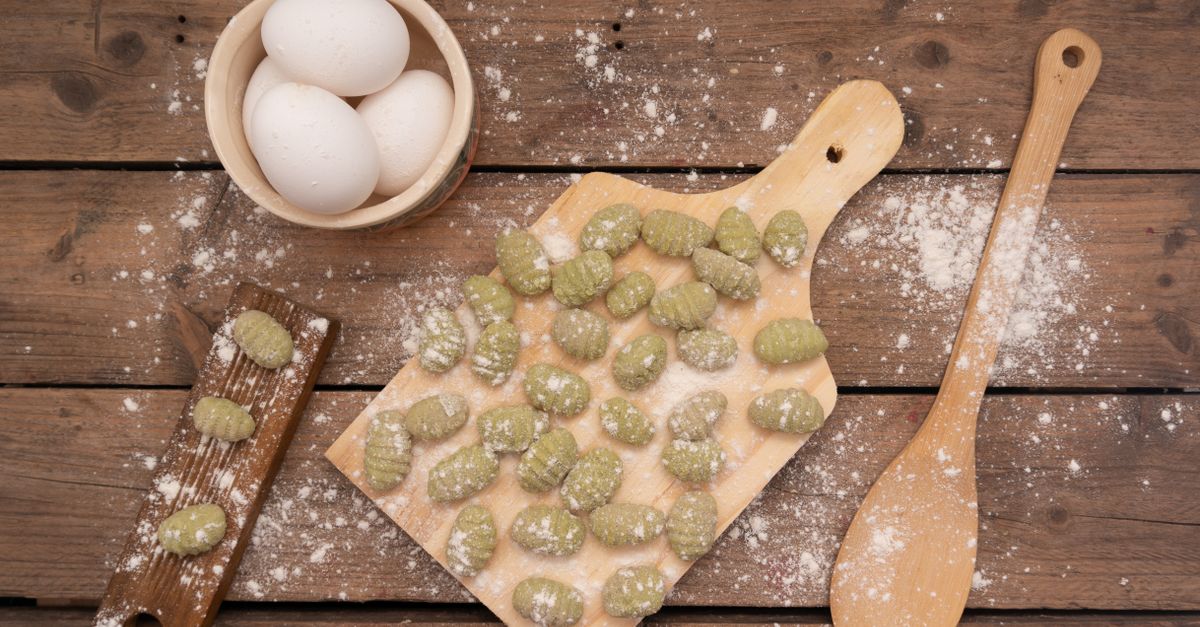
Homemade gnocchi should feel like little pillows — tender inside, just firm enough to hold a sauce. When they come out dense, gummy, or springy like rubber, the fix almost always comes down to three things: too much moisture in the potato, too much flour worked into the dough, or overworking the mix. Get those three variables right, and light, fluffy gnocchi is repeatable every time.
Choosing and Preparing the Right Potato
The potato variety matters more than any technique tweak. You want a starchy, low-moisture potato — russets (also called baking potatoes or floury potatoes in the UK) are the standard choice. Waxy varieties like Yukon Golds or red potatoes hold too much water and produce a sticky, gluey dough that needs extra flour to compensate, which defeats the purpose.
Bake, don’t boil. This is the single most effective change most home cooks can make. Boiling potatoes forces water into the flesh; baking lets steam escape. Pierce each potato, bake directly on the oven rack at around 200 °C (400 °F) until completely tender in the center — typically 50 to 70 minutes depending on size. When you slice them open, you should see dry, fluffy flesh, not wet or translucent.
Rice the potatoes while they are still hot. Hot potato releases steam more readily than cooled potato, which means even less residual moisture in your dough. Spread the riced potato loosely on a clean baking sheet for two or three minutes before building the dough — that short rest lets a visible cloud of steam escape.
Why a ricer matters: Mashing, blending, or using a food processor breaks the starch granules mechanically, releasing amylose and making the texture gluey before you’ve even added flour. A potato ricer or food mill pushes the flesh through small holes with minimal agitation.
Building the Dough Without Overworking It
Once the potato is riced and slightly cooled, create a loose mound, add your egg (one medium egg per 500 g / about 1 lb of potato is a common ratio), a small pinch of salt, and your flour. The amount of flour is the variable most affected by how dry your potatoes are — the drier the potato, the less flour you need.
Start with less flour than you think you need. A rough starting point is around 100–130 g of flour per 500 g of riced potato, but treat that as a floor, not a target. You are looking for a dough that just barely holds together and does not stick to your hands. If it tears when you roll it, add a tiny pinch more flour, fold, and test again.
The critical rule: mix and handle as little as possible. Once flour and egg hit the potato, gluten begins developing. Overworking builds a gluten network that makes gnocchi tough and bouncy. Bring the dough together with a bench scraper and your fingertips, folding rather than kneading. When it looks rough and homogeneous — not smooth and silky — stop.
Egg or no egg?
Egg adds richness and helps bind the dough so you need less flour. The trade-off is a slightly firmer texture. Some recipes omit the egg entirely, relying on the potato’s starch to hold the dough — this can produce a more delicate result but requires extremely dry potato. If your potatoes are reliably dry (you bake them every time), egg-free gnocchi is worth trying. If you’re still dialing in your potato prep, the egg gives you more margin for error.
What flour works best?
All-purpose (plain) flour is the default. “00” pasta flour produces a slightly silkier texture because its finer grind distributes more evenly through the dough. Bread flour, with higher protein content, will develop more gluten and should be avoided. Do not use self-raising flour.
Rolling, Cutting, and Shaping
Work quickly and keep the dough cold. Room temperature is fine; a warm kitchen or warm hands speeds up gluten development and can make the dough tacky. Keep your board and hands lightly floured, but avoid the habit of continually dusting — every extra pinch of flour that enters the dough changes the final texture.
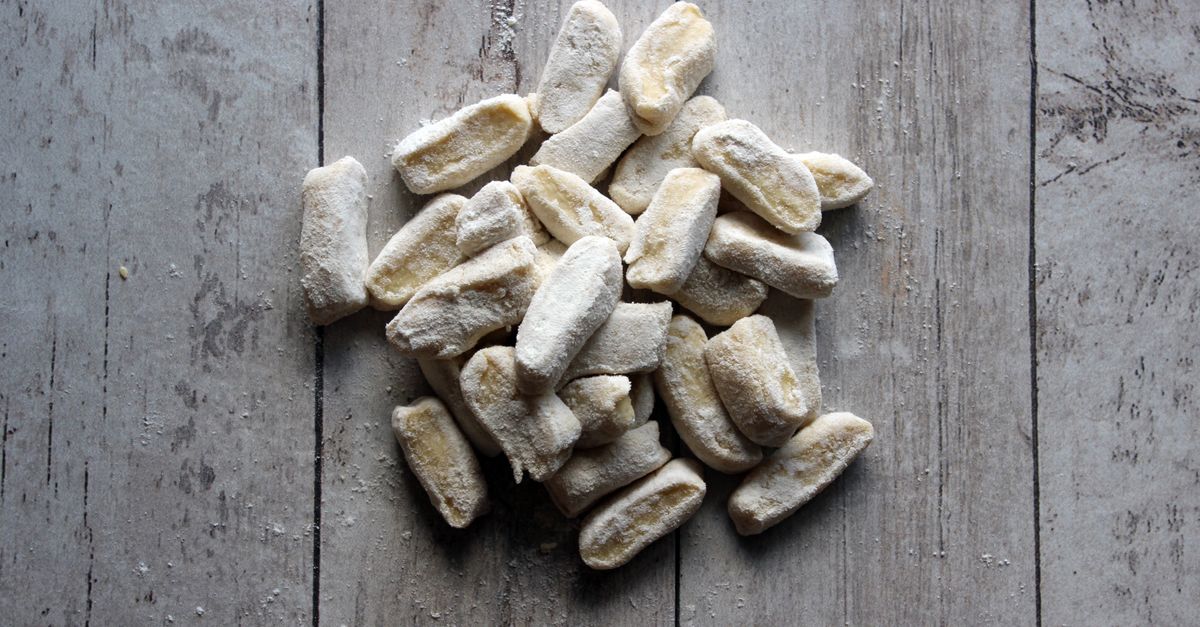
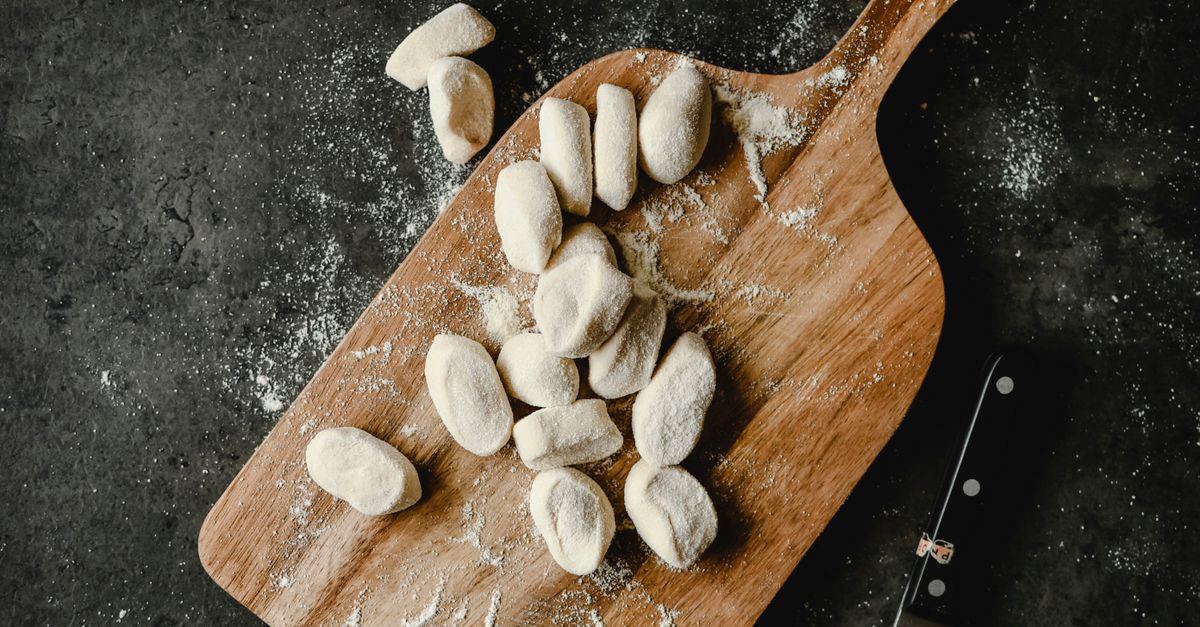
Divide the dough into four or five portions. Roll each portion into a rope about 2 cm (roughly ¾ inch) in diameter. Cut into pieces around 2–3 cm long with a bench scraper or knife — a clean downward cut rather than a sawing motion keeps the ends from smearing. If you want the classic ridged shape, roll each piece gently down the back of a fork or a gnocchi board. The ridges are cosmetic but do hold sauce; skip them if speed matters more.
Cook immediately or freeze right away. Gnocchi that sits at room temperature for more than 20–30 minutes starts to sweat and turns sticky, and the texture degrades. Freeze on a lightly floured tray until solid, then transfer to a bag — frozen gnocchi go straight from freezer to boiling water with no thawing needed.
Cooking Gnocchi Correctly
Use a large pot with well-salted, vigorously boiling water. Crowding the pot drops the water temperature and leads to gnocchi that stew rather than cook, making them heavier. Boil in batches of 15–20 pieces at a time for a standard-sized pot.
The cooking time is short — typically 2 to 3 minutes for fresh gnocchi, or 3 to 4 minutes from frozen. The reliable visual cue: gnocchi float to the surface when the outer layer has set. Give them another 30 to 60 seconds after they float, then remove with a slotted spoon.
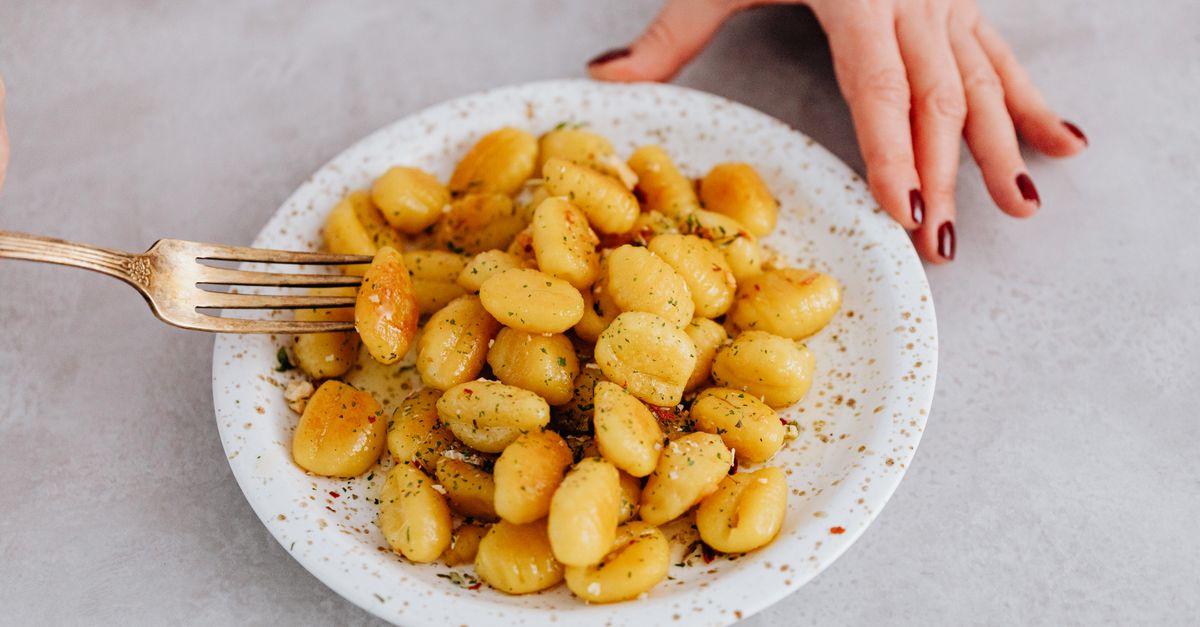
Do not rinse. Rinsing washes off the surface starch that helps sauce cling. Move the gnocchi directly into your sauce or browned butter. If you want a lightly crisp exterior — particularly good with sage butter — transfer the boiled gnocchi to a hot, lightly oiled pan and sear for 60 to 90 seconds per side without touching them.
Why Did My Gnocchi Dissolve in the Water?
If your gnocchi fall apart or turn to mush in the pot, the dough almost certainly had too much moisture and not enough flour or structure to hold together under heat. The most common causes are boiled potatoes or dough that was not rested on the bench long enough before cooking.
A quick test before committing the whole batch: drop one gnocchi into the boiling water. If it dissolves within 30 seconds, the dough needs more flour. Add a small amount, reshape one test piece, and check again. This test takes two minutes and saves the entire batch.
Frequently Asked Questions
Can I make gnocchi dough ahead of time?
The safest approach is to shape and freeze the gnocchi immediately after cutting, rather than refrigerating raw dough overnight. Dough stored in the fridge tends to oxidize and turn grey, and the potato moisture redistributes into the flour, making the gnocchi heavier. Frozen shaped gnocchi cook just as well as fresh and keep for up to six weeks in an airtight container.
Why do my gnocchi stick together after cooking?
They stick when the cooked pieces sit in the colander or on a plate without a fat coating. Move them straight into sauce or toss with a small amount of olive oil or browned butter immediately after draining. If you’re plating in batches, keep the sauce warm in the pan and add each batch as it comes out of the water.
Does it matter what size the potato pieces are when I bake them?
Baking whole is generally better than cutting them first. Cutting exposes more surface area to moisture absorption and can also waterlog the flesh if condensation forms on the cut face. Bake them whole, then cut open and rice while still hot.
Can I use sweet potato instead of regular potato?
Sweet potato gnocchi is possible, but sweet potatoes are significantly wetter and higher in sugar than russets, which means the dough needs considerably more flour to come together. That extra flour typically produces a denser, chewier result rather than a light one. If you like the flavor, it’s worth exploring, but expect the texture to differ noticeably from the classic version.
Is there a gluten-free version that stays fluffy?
Gluten-free gnocchi using rice flour or a blended gluten-free flour mix can work reasonably well, because gluten is actually the enemy of light gnocchi anyway. Rice flour in particular tends to produce a more delicate crumb. The dough handles differently — it is more fragile and tears more easily — so work in smaller portions and handle it even less than you would a standard dough.