Winter Coat Storage That Stays Fresh and Odor-Free

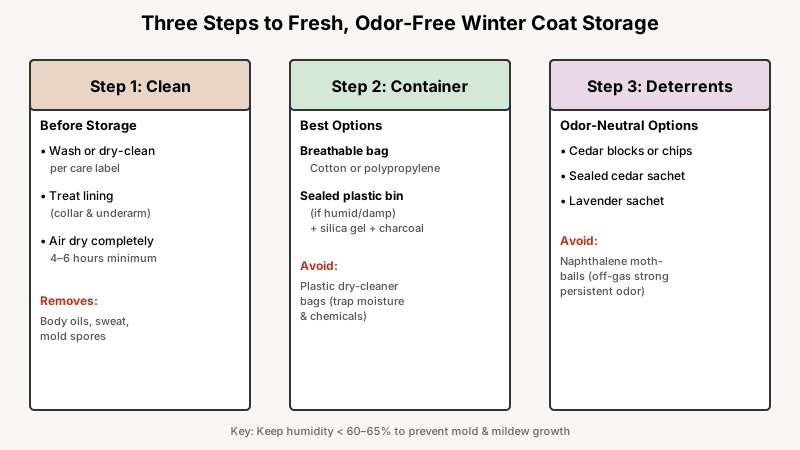
Winter coats are expensive, bulky, and—if stored carelessly—capable of coming out of a closet smelling like must, sweat, or mothballs. The good news is that odor in stored coats is almost entirely preventable. It comes down to three things: how clean the coat is before it goes in, what it’s stored in, and where that container lives.
Why Stored Coats Smell in the First Place
Odor doesn’t materialize from nowhere. The main culprits are:
- Residual body oils and sweat absorbed into the lining during wear. Even a coat that looks clean retains organic residue along the collar, cuffs, and underarms.
- Mold and mildew, which grow in any enclosed space where relative humidity stays above roughly 60–65% and there isn’t enough airflow.
- Moth-deterrent chemicals like naphthalene (traditional mothballs), which off-gas a persistent odor of their own.
- Absorbed environmental smells—cooking fumes, smoke, or pet dander trapped in the fibers.
Understanding the source makes the fix obvious: remove the organic material before storage, control moisture, and choose odor-neutral deterrents.

If musty smells are a recurring problem throughout your home, not just in your closet, How to Make Your Home Smell Fresh Naturally: Absorb, Don’t Mask explains how to tackle odors at the source rather than covering them up.
Step 1 — Clean Thoroughly Before You Store
This is the most important step, and the one most people skip. Storing a coat with even light soiling guarantees odor by the time you retrieve it months later, because microbes slowly break down organic residue in the dark.
Before you pack a coat away, it’s worth handling any lingering marks first, and How to Remove Common Stains from Clothes: Why Speed Beats Scrubbing explains why acting quickly makes stains so much easier to remove.
Wash or dry-clean according to the care label
- Down and synthetic-fill puffies: Most can go in a front-loading washing machine on a delicate or gentle cycle with a small amount of mild detergent. Add two or three clean tennis balls (or dedicated dryer balls) to the dryer on low heat to break up clumped fill.
- Wool and cashmere: Hand-wash in cool water with a wool-specific detergent, or dry-clean. Hot water causes irreversible felting.
- Technical shell jackets (Gore-Tex and similar): Machine-wash warm, use a DWR-safe cleaner (standard detergent can clog the membrane), and tumble dry on low to re-activate the durable water repellent finish.
- Leather and shearling: Professional cleaning only — water and standard soap damage the hide.
Treat the lining specifically
The shell of a coat might look fine while the lining holds most of the smell. Turn the coat inside out before washing where the care label permits, or, if dry-cleaning, ask the cleaner to pay attention to the lining collar and underarm area.
Air it out completely before storage
Before the coat goes into any container, hang it in fresh air—ideally outside in shade, or near an open window—for at least four to six hours. You want the interior temperature and moisture content to equalize with the ambient air. Even freshly laundered coats trap steam in the batting or lining and need drying time well beyond what the dryer delivers.
Step 2 — Choose the Right Storage Container
The container choice matters more than most guides admit.
Breathable garment bags — the usual best option
Woven cotton or non-woven polypropylene garment bags (the fabric ones, not plastic) allow slow air exchange that prevents the humidity spike that feeds mold. Dry-cleaner plastic bags are a poor choice: they trap moisture, concentrate off-gassing from any residual chemicals, and can cause yellowing in natural fibers over months.
If you use a hard-sided storage box, a cardboard or fabric-lined box is preferable to sealed plastic bins — unless you have a humidity problem (see below).
Sealed plastic bins — when and how to use them
In damp climates or humid basements, a sealed, airtight container does prevent moisture infiltration. The trade-off is that any moisture already inside gets locked in. To use plastic bins safely:
- Make sure the coat is completely dry — leave it hanging for 24 hours after washing.
- Add a desiccant packet (silica gel) inside the bin. One standard 10g packet per coat is a common recommendation; replace or recharge packets each season.
- Include an activated-charcoal sachet alongside the desiccant to absorb any trace odor molecules.

Step 3 — Pick Odor-Neutral Pest Deterrents
Moth damage to wool, cashmere, and down is real, but standard mothballs leave a chemical smell that can take weeks to air out. Better-smelling alternatives:
- Cedar: Cedar wood naturally releases oils (mainly cedrol and thujopsene) that repel moth larvae. Cedar blocks, rings, or small planks work well; sand them lightly once a year to refresh the surface. The scent is mild enough that it rarely transfers to the fabric perceptibly.
- Lavender sachets: Widely used, genuinely pleasant, but the evidence that lavender reliably kills or deters moth larvae is mixed — it’s more of a light repellent than a proven treatment. Useful for scent management, not a standalone pest solution.
- Unscented adhesive moth traps: These catch adult moths without any chemical off-gassing. Use them in the closet or storage area as a monitoring tool.
- Cloves, rosemary, or bay leaves: Sometimes recommended in folk guides. There’s plausible chemistry, but reliable data on effectiveness is thin. If you like the scent, they add a pleasant note; don’t rely on them as your only moth defense.
For coats with significant wool content stored long-term, combine cedar with a monitoring trap. If you ever find moth damage despite these measures, professional cleaning and then sealed plastic storage with desiccant is the next step up.
Step 4 — Control the Storage Environment
Where you store the coat affects whether any of the above measures hold up.
Temperature and humidity
Cool and dry beats warm and damp every time. A spare bedroom closet is usually adequate. The problem environments are basements (high humidity), attics (temperature swings that can crack leather and degrade insulation), and cars or garages (humidity, pests, fumes).
If your storage space has no climate control, monitor humidity with an inexpensive hygrometer. If it consistently reads above 60%, run a small dehumidifier nearby or shift the coat to a different location.
Keep it off the floor
Dust, mold spores, and moisture accumulate at floor level. Shelves, hanging rods, or raised storage bins are preferable.
Avoid compression for down coats
Down insulation can handle light compression for a season, but tightly vacuum-packed or heavy-stacked storage over several months gradually damages the loft. Hang down coats on a wide, padded hanger in a garment bag if you have the closet space, or fold them loosely in a breathable bag.
Retrieving Coats at the End of Storage
Even with perfect storage, a coat that’s been in a bag for months benefits from a short airing session before you wear it. Hang it outside or near an open window for two to four hours. If there’s any faint musty smell, a light misting with undiluted white vinegar (not on leather or silk) followed by air-drying usually neutralizes it without rewashing — the acetic acid kills the surface microbes causing the smell, and the vinegar scent dissipates as it dries.
For down coats that have lost some loft after storage, a 20-minute tumble on low heat with dryer balls usually restores it.

Frequently Asked Questions
Can I store a coat that isn’t washed, just aired out?
For light-use coats — worn only occasionally over a clean layer — airing can be enough for shorter storage periods (a few weeks). For anything stored three months or more, washing or dry-cleaning first is strongly recommended. Organic residue the nose can’t detect is still there, and months of microbial activity in a closed space will amplify it.
Why does my coat smell like plastic after storage in a sealed bin?
Plastic bins off-gas low levels of chemical compounds, and any moisture trapped inside concentrates other smells. Switching to a breathable cotton garment bag, or adding activated charcoal inside the bin, usually resolves this.
Are vacuum storage bags safe for wool coats?
For a season, generally yes — as long as the coat is clean and fully dry before compression. Prolonged compression (more than 6–8 months) can cause creasing that’s difficult to remove and, in coarser wools, may flatten the pile slightly. Down garments lose loft more readily and are better stored uncompressed.
How do I get rid of mothball smell on a coat I’ve just retrieved?
Air it outside for a full day or two first. If the smell persists, hang it in a bathroom during a hot shower (steam helps mobilize volatile compounds), then air again. Washing or dry-cleaning is the most reliable fix; the naphthalene odor can be stubborn because it binds to fibers.
How often should I replace cedar blocks?
Cedar’s insect-repelling oils diminish as the surface dries out. Sand cedar blocks lightly with fine sandpaper at the start of each storage season to expose fresh wood. Replace them entirely every two to three years, or when sanding no longer releases a noticeable cedar scent.