Best Slow Feeder Bowls for Dogs: What Really Works
Disclosure: This post may contain affiliate links. We may earn a commission at no extra cost to you. See our Affiliate Disclosure.
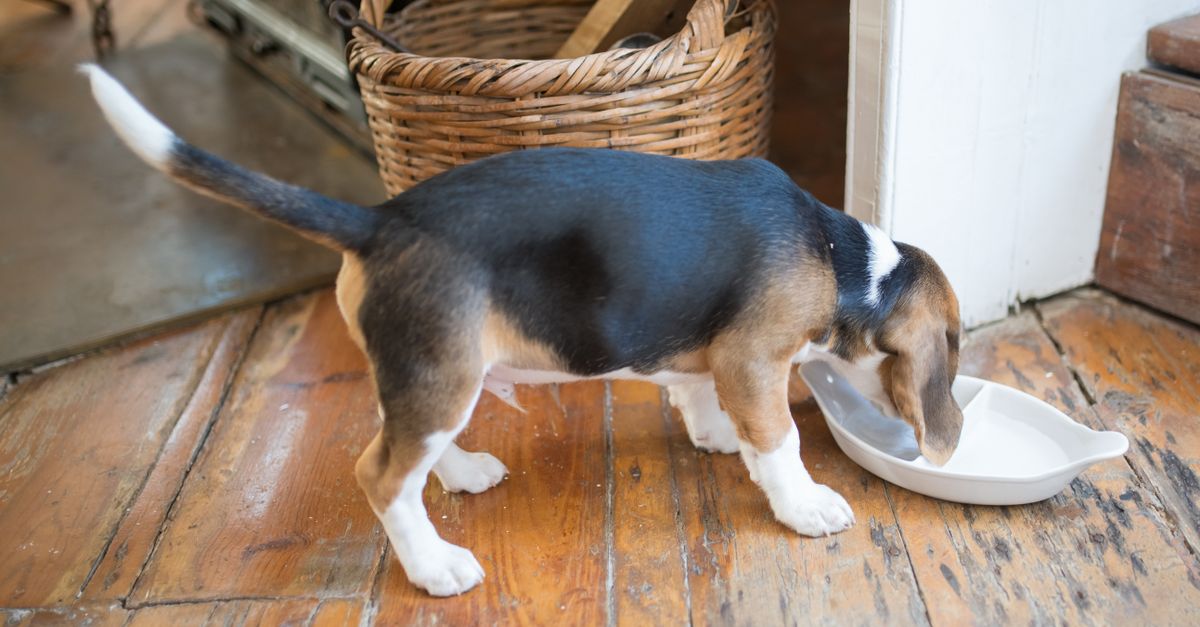
Gulping down a full bowl of kibble in thirty seconds is a common dog habit that looks funny — until it isn’t. Bloating, regurgitation, and persistent digestive upset are all linked to eating too fast, especially in deep-chested and large breeds. Slow feeder bowls use ridges, mazes, and raised obstacles to force dogs to work for each mouthful, stretching a thirty-second meal into several calm minutes.
Choosing the right one is less obvious than it looks. The wrong texture can be impossible to clean. A maze that’s too difficult frustrates small-breed dogs. And some bowls tip over so easily that an enthusiastic eater just flips them across the kitchen. This guide covers what actually matters in a slow feeder bowl and recommends specific, widely available options across different dog sizes and eating styles.
Why Fast Eating Is a Real Problem
Dogs evolved as opportunistic eaters — bolt food quickly before another animal takes it. That instinct persists in domesticated pets, but now it creates problems in an environment where food is reliably available.
Bloat (GDV): Gastric dilatation-volvulus is most common in large, deep-chested breeds like Great Danes, German Shepherds, and Standard Poodles. While the exact relationship between eating speed and GDV is still debated in veterinary literature, rapid air ingestion during fast eating is considered a contributing factor, and slowing mealtimes is routinely recommended as a low-risk precaution.
Regurgitation vs. vomiting: Regurgitation shortly after eating (bringing food back up without effort) is often straightforward overeating or eating too fast, not a deeper illness. A slow feeder bowl frequently eliminates this entirely.
Choking and coughing: Small dogs in particular can choke on kibble they haven’t chewed properly when gulping.
Mental stimulation: Puzzle feeding engages a dog cognitively. Working through a maze releases food incrementally and makes mealtimes genuinely tiring in a productive way.
If mealtime stress is already an issue, it’s worth noting that anxiety can spike around loud events too, a topic covered in How to Keep Pets Calm During Fireworks: Start Days Before, Not Hours.
What to Look for Before You Buy
Material and cleanability
Most slow feeder bowls come in three materials:
- Food-grade silicone — flexible, dishwasher-safe, won’t chip, but tight ridges can trap wet food and require a brush to clean thoroughly.
- BPA-free plastic — the most common; lightweight and inexpensive. Quality varies a lot. Look for thick, rigid plastic without sharp edges that could trap debris.
- Stainless steel — the gold standard for hygiene. Far fewer stainless slow feeders exist because the maze patterns are harder to manufacture. Those that exist tend to be shallower maze patterns.
- Ceramic — heavy, stable, and dishwasher-safe, but limited design complexity.
Difficulty level
Slow feeders have a meaningful range from “mildly challenging” (a few raised bumps) to “genuinely difficult” (tight spiral mazes with multiple chambers). Matching the difficulty to your dog matters: a dog new to slow feeders should start simple; a persistent gulper who beats easy mazes quickly needs something more complex.
Non-slip base
Any bowl that slides across the floor when the dog pushes it defeats the purpose. A rubber ring on the base or suction cups are essential for enthusiastic eaters.
Depth and breed fit
Flat-faced (brachycephalic) breeds like Bulldogs and Pugs can’t easily reach into deep bowls. For these dogs, a wide, shallow maze is more comfortable. Conversely, a Great Dane using a tiny shallow bowl will clear it in seconds just by surface area.
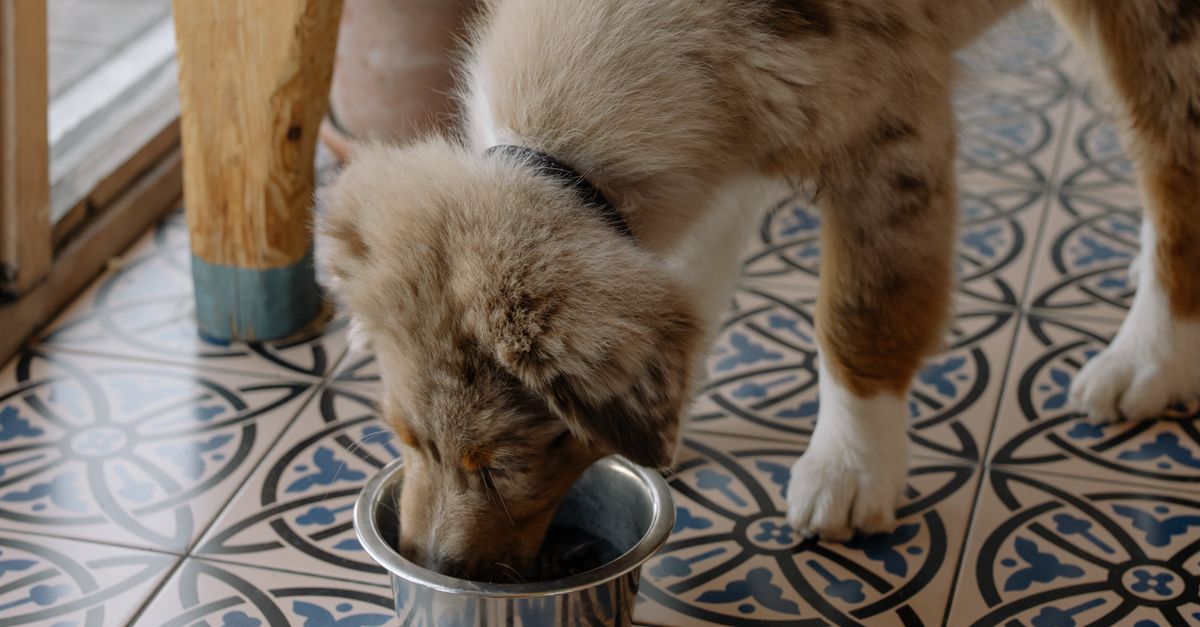
Top Slow Feeder Bowl Picks by Dog Size
For small dogs and puppies
Outward Hound Fun Feeder Slo-Bowl (Small) The Fun Feeder series is perhaps the most widely available slow feeder line. The small version suits dogs under roughly 15 lbs. Its flower-petal and ridge pattern adds about 10x the eating time compared to a flat bowl — Outward Hound’s stated claim, though individual results vary considerably by dog. The plastic is BPA-free and dishwasher-safe (top rack). Main limitation: the folds trap wet food if you mix in toppers.
LickiMat Wobble More puzzle toy than bowl, the LickiMat Wobble is a textured silicone mat on a weighted base. Spread wet food, pâté, or a thin layer of peanut butter across it and small dogs can lick away for several minutes. Excellent for brachycephalic breeds who can’t navigate deeper mazes.
For medium dogs
Outward Hound Fun Feeder Slo-Bowl (Regular) The regular size handles breeds in the 20–40 lb range well. Multiple maze pattern options (swirl, flower) exist under the same product line. Consistent, easy to find, and affordable. It won’t win awards for aesthetics, but it works.
JASGOOD Slow Feeder Bowl A sturdier plastic option with a deeper maze pattern that suits medium dogs who’ve mastered shallower feeders. The non-slip rubber base performs better than many competitors at this price point.
For large and giant breeds
Outward Hound Fun Feeder Slo-Bowl (Large) Large-breed owners often find themselves frustrated because large slow feeders are either too easy or too expensive. The large Fun Feeder is a reliable starting point — it holds enough kibble for a full large-breed meal and adds meaningful resistance. Still, a very fast 60-lb dog might find it only mildly challenging.
Northmate Green Interactive Feeder Shaped like a tuft of grass, this is one of the most genuinely difficult slow feeders for determined large-breed gulpers. The grass-blade silicone strips require dogs to nose kibble out from multiple angles. It sits flat and heavy on the floor and won’t tip. Plastic version — wipe-clean after dry food but less convenient with wet.
Messy Mutts Silicone Non-Skid Slow Feeder A wider, shallower maze that works well for flat-faced large breeds (Boxers, Bulldogs). The silicone construction is food-safe and machine-washable. The flatter profile keeps it accessible for dogs who struggle with deep bowls.
For persistent “maze-beaters”
Some dogs figure out that they can pin a corner of the bowl with one paw and flip or spin the whole thing to dump kibble out. If your dog does this, look for either suction-cup bases (several brands offer them as an add-on mat) or place the bowl inside a silicone non-slip mat. Alternatively, switch to a puzzle feeder with multiple compartments and a locking mechanism — these cross the line from bowl into interactive toy territory, but they solve the problem.
Wet Food, Raw, and Mixed Feeding
Most maze-style bowls are designed with dry kibble in mind. Wet food and raw diets create a cleanup challenge in tight ridges that dishwashers sometimes don’t fully resolve. For those diets, a LickiMat-style silicone surface or a wide, shallow bowl with rounded ridges (easier to scrub) is a much better choice. Look for products that are explicitly rated dishwasher-safe and whose manufacturer lists food-grade silicone in the materials — cheaper silicone can absorb odors over time.
Since messier feeding styles can leave lingering smells behind, our guide Pet Odors in Carpet: Natural Fixes That Last is a handy follow-up read.
How to Introduce a Slow Feeder
Some dogs take to a slow feeder immediately; others find the first few meals frustrating to the point of walking away. A short transition helps:
- Start with a simple pattern. Even if you plan to use a complex maze long-term, begin with a flatter pattern for the first week.
- Add a few pieces of kibble on top of or beside the bowl so the dog makes positive contact with the feeder right away.
- Don’t leave the dog alone for the first few meals in case they tip or flip the bowl.
- Reward calm eating. If your dog sits and works through the maze without pawing or flipping, a calm verbal “good” reinforces the behavior.
Most dogs adapt fully within a week.
Frequently Asked Questions
Do slow feeder bowls actually prevent bloat?
They’re widely recommended as a precaution, particularly for large deep-chested breeds, but the evidence that eating speed alone causes GDV is still debated in veterinary medicine. What’s well-established is that slowing mealtimes reduces air ingestion and regurgitation. If bloat is a serious concern for your breed, talk to your vet about a broader prevention strategy — slow feeding is one piece, not the whole picture.
How much longer does a slow feeder add to mealtimes?
It depends heavily on the dog and the maze complexity. Simple bump patterns might double eating time; complex multi-chamber mazes can stretch a meal to 10–15 minutes for a medium dog. Results genuinely vary — manufacturer claims of “10x longer” are best treated as an upper bound.
Can I use a slow feeder for a puppy?
Yes, and it’s often a good habit to start early. Choose a size and maze difficulty appropriate for the puppy’s age and breed — a large-breed puppy feeder that’s too small is a frustration tool, not a helpful one. Avoid designs with very tight gaps that a small puppy could trap their nose in.
How often should I clean a slow feeder bowl?
After every meal, the same as a regular bowl. The maze ridges collect oils from kibble quickly, and bacteria build up faster in the crevices of a complex pattern than in a flat bowl. Dishwasher-safe models make this manageable; tight plastic mazes may need a bottle brush to clear the channels manually.
My dog just flips the bowl over. What should I do?
First, try placing the bowl on a non-slip silicone mat or inside a heavier ceramic insert ring. If flipping persists, switch to a feeder with suction cups, or move to a raised puzzle feeder platform the dog can’t easily overturn. Some dogs need a few days of supervision before they stop trying to shortcut the maze.
Picking the One That Fits
There’s no single best slow feeder — there’s the best one for your specific dog’s size, snout shape, eating style, and diet. Start simpler than you think you need to; a frustrated dog who won’t eat from a feeder is worse than a dog who eats slightly too fast. If your dog masters a simple maze within a few weeks, step up to a more complex pattern. The goal isn’t to make mealtimes a struggle — it’s to make them calm, measured, and a little mentally engaging.
Recommended products
- Outward Hound Fun Feeder Slo-Bowl (Small) — Widely available, BPA-free, dishwasher-safe, and genuinely effective for dogs under 15 lbs.
- LickiMat Wobble — Ideal for flat-faced small breeds and wet food — silicone texture keeps licking time high with easy cleanup.
- Outward Hound Fun Feeder Slo-Bowl (Regular) — Reliable mid-size option for 20–40 lb dogs with multiple maze pattern choices.
- Northmate Green Interactive Feeder — One of the most challenging designs for persistent gulpers — the grass-blade pattern slows even fast large-breed eaters.
- Messy Mutts Silicone Non-Skid Slow Feeder — Wide, shallow, and machine-washable — fits flat-faced large breeds like Boxers and Bulldogs well.
- Outward Hound Fun Feeder Slo-Bowl (Large) — A solid starting-point large-breed feeder that holds a full meal portion and adds real resistance without being overwhelming.