Cat Litter Mats That Actually Stop Tracking
Disclosure: This post may contain affiliate links. We may earn a commission at no extra cost to you. See our Affiliate Disclosure.
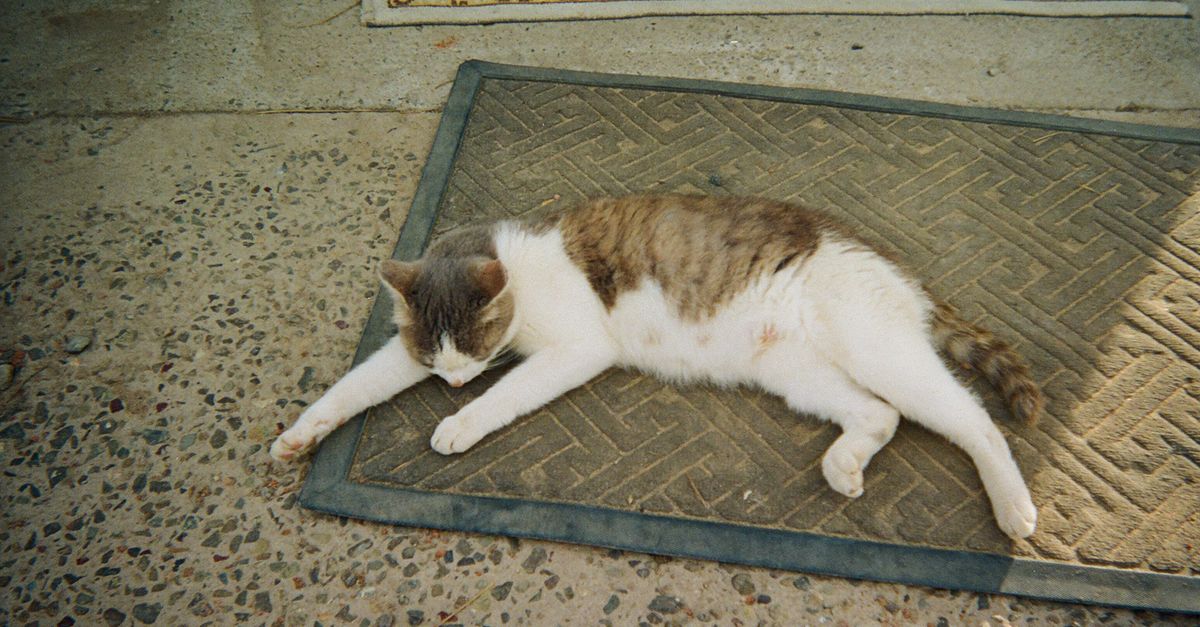
If you’ve ever stepped on a stray litter granule in bare feet at 2 a.m., you understand the problem intimately. Cats are remarkably efficient at flinging litter far beyond the box — some breeds more than others, and certain litter types (especially lightweight clay and silica crystals) can travel an impressive distance. A good mat cuts that scatter before it spreads through the house.
The challenge is that most mats marketed as anti-tracking solutions do an adequate job of catching a few granules, then stop there. The ones that actually work are engineered around a specific flaw in how cats exit the box: they don’t slow down, they don’t shake their paws, and they actively dislike stepping on textures that grab their feet. This guide breaks down what separates a mat that collects litter from one that mostly redistributes it.
What Makes a Mat Actually Reduce Tracking
Not all anti-tracking mats work the same way. Two design philosophies dominate the market:
Trap-and-hold designs use a top layer with holes or open cells (often silicone or EVA foam) over a solid base. Granules fall through and sit in the lower chamber, where the cat can’t re-scatter them by walking back across. The better versions have cells sized to match common litter granule diameters — roughly 2–4 mm for clumping clay, slightly larger for silica crystals. If the holes are too small, granules bounce off rather than falling through. If they’re too large, paws dip in and pull litter back out.
Surface-friction designs rely on looped fabric, rubber fingers, or layered microfiber to mechanically pull granules off the paw on contact. These work well with litter that sticks (certain clay and corn-based litters), but they’re harder to clean and tend to fail faster with very fine or very round pellets.
Size matters more than most buyers expect. A mat that’s too small simply means the cat steps off it before finishing the grooming stride. Aim for at least 23 × 15 inches (roughly 60 × 40 cm) for a standard litter box — larger if your cat is a big breed or an energetic digger.
Waterproofing is worth prioritizing if your cat misses the box at the lip, or if you have a kitten still learning aim. A mat with a non-porous base traps liquid and keeps it from soaking your floor; a porous base like plain foam can harbor odors quickly.
Best Cat Litter Mats by Type
Double-Layer Silicone Mats
The double-layer silicone style is currently the most popular category for good reason. The top grid has holes that let granules fall through to a solid silicone tray below. You pick up the mat, fold it in half over the tray, and pour the collected litter back into the box — no shaking over the trash, no litter spray on your hands.
The Gorilla Grip Original Premium Durable Cat Litter Mat is one of the most widely owned options in this category. Its top layer uses relatively large hexagonal cells that work well with clumping clay and coarser litters. It comes in multiple sizes; the XL (35 × 23 inches) makes a meaningful difference for larger cats. The bottom is non-slip, which matters on hardwood and tile where most litter boxes live.
For owners who want a pure silicone trap-through mat with a slightly softer feel underfoot, the Pieviev Cat Litter Mat offers a two-layer honeycomb design at a lower price point. It’s worth measuring your floor space first — the sizing runs larger than the listed dimensions.
Large Microfiber Mats
Microfiber mats trade the easy-empty design for superior softness and a wider effective trapping area. They work best with clumping clay that clings to fibers. The tradeoff: you shake them outside, or vacuum, which some people find more effort than folding a silicone mat.
The Iprimio Cat Litter Mat uses a thick microfiber top over a waterproof base and comes in sizes up to 35 × 23 inches. It’s machine-washable, which is a significant practical advantage — silicone mats are easy to rinse but microfiber mats handle wetness (from litter-tracking paws or near-misses) without the smell building up as fast.
Foam and EVA Pebble Mats
Some mats use raised EVA foam pebbles that massage granules off paws through physical contact — similar to how a pebble massage mat works in a shower. The effect is real, though these mats are less effective with pellet litters (pine, paper) because pellets are too round and heavy to dislodge easily.
The Hepper Neat Cat Litter Mat uses this pebble-style surface and has a reputation for durability and a cleaner aesthetic than the grid-and-tray designs. It’s a better fit for households where the mat needs to look presentable in a visible location.
Scatter Control Mats for Top-Entry Boxes
Top-entry litter boxes change the equation. Cats jump out from above and land directly on the mat, so the mat needs to handle the impact zone — litter is shaken off the paws and coat all at once. A longer mat (at least 30 inches from the box edge) helps catch the scatter radius. The Litter Genie Scatter Control Mat is designed specifically for this scenario, with a wide landing zone and fine-mesh top layer.
| Mat Type | Cell/Surface Design | Cleaning Method | Best Litter Compatibility | Ideal Box Setup |
|---|---|---|---|---|
| Double-Layer Silicone | Hexagonal or honeycomb cells (2–4 mm) over solid tray | Fold and pour back into box | Clumping clay, coarse litters | Standard litter boxes |
| Microfiber | Looped fabric over waterproof base | Shake outside or vacuum; machine-washable | Clumping clay that clings to fibers | Standard boxes; visible locations |
| EVA Foam Pebbles | Raised pebble surface for massage contact | Shake outside or vacuum | Clumping clay | Visible/aesthetic-priority locations |
| Scatter Control (Top-Entry) | Fine-mesh top layer with wide landing zone | Shake outside or vacuum | Clumping clay, silica crystals | Top-entry litter boxes |
Matching the Mat to Your Litter Type
This is the step most buyers skip, and it’s why so many mats underperform:
- Clumping clay (fine grain): Double-layer silicone or microfiber works well. Fine grains fall through the holes and stick to microfiber loops. Avoid mats with very large cell openings — the grains can bounce out on contact.
- Silica crystal litter: Crystals are larger and tend to roll. A mat with deeper cell pockets works better than a flat friction surface. The cat’s weight pressing down helps drive them into the pocket.
- Pine, corn, or paper pellet litters: These are the hardest to trap because they’re smooth and round. A pebble-style foam mat that physically knocks them off paws performs better than hole-grid designs where pellets simply roll past.
- Lightweight or ’dust-free’ litters: These scatter farthest and need the largest mat footprint, ideally combined with a hooded box to limit airborne scatter before the litter even reaches the mat.
If your mat struggles are actually rooted in a kitten who hasn’t fully settled into using the box yet, How to Litter Train a Kitten: Working With Their Natural Instinct covers how to work with their instincts from the start.
Placement and Maintenance Make or Break It
Even the best mat underperforms in the wrong position. Place it so the cat must walk across the entire mat surface to exit — if there’s a gap at the side or front, the cat will route around it. For standard front-entry boxes, a U-shaped or L-shaped mat configuration (one mat in front, a runner along the side exit path) significantly reduces whole-room scatter.
Frequency of emptying matters too. A mat that’s already saturated with litter can’t catch more — granules pile on top of each other and get kicked around instead of falling through. Emptying every 2–3 days keeps trap-and-hold mats working at capacity. Microfiber mats benefit from a quick vacuum or outdoor shake every few days, and a full machine wash once or twice a month depending on traffic.
If odor builds up in a silicone mat, a quick soak in water with a splash of white vinegar (about 1 part vinegar to 10 parts water) and a rinse usually resolves it without leaving a scent that bothers cats.
For the tracking and odor that make it past even the best mat, Pet Odors in Carpet: Natural Fixes That Last explains how to lift lingering smells out of carpet fibers for good.
What to Ignore in Marketing Claims
A few things don’t actually correlate with performance:
Thickness alone: A thick mat isn’t necessarily a better trap. What matters is whether the cells or fibers are correctly sized for your litter type.
’99% tracking reduction’ claims: These numbers come from brand-run tests using specific litter types under controlled conditions. Real-world reduction depends heavily on litter type, cat gait, exit direction, and how often you empty the mat. Treat them as rough marketing benchmarks, not specifications.
Color and aesthetics: A mat that blends into your floor feels less intrusive, but litter granules are easier to see (and therefore clean) on a darker mat. Practical visibility often outweighs aesthetic preference in actual use.
Frequently Asked Questions
How big should a litter mat be?
For most standard litter boxes, a mat of at least 23 × 15 inches provides meaningful coverage. If your cat is a large breed (Maine Coon, Ragdoll) or tends to bolt out of the box at speed, go larger — 35 × 23 inches gives the cat enough surface to fully decelerate before stepping off onto your floor.
Are silicone or microfiber mats easier to clean?
Silicone wins on quick cleaning — fold, pour, rinse. Microfiber requires vacuuming or shaking, plus occasional machine washing, but handles liquid messes better over time and doesn’t develop odors as quickly in a damp bathroom environment.
Can I use a litter mat with a self-cleaning litter box?
Yes. Most self-cleaning boxes have a standard exit opening. The mat goes directly in front of it. The main difference is that with an automatic box, cats may exit more frequently, so the mat fills up faster and needs more frequent emptying.
My cat avoids the mat entirely — what should I do?
Some cats dislike the texture of grid or silicone mats. Try a soft microfiber or foam pebble mat instead. If the mat is making a crinkling noise or sliding on the floor, fix the non-slip backing with a rug grip pad — cats often avoid mats that shift underfoot.
Do litter mats help with odor?
Not directly. They collect litter granules that would otherwise spread odor through the house, which is an indirect benefit. The mat itself can develop odor if litter sits in it for too long or if liquid soaks in. Regular cleaning keeps this manageable.
Recommended products
- Gorilla Grip Original Premium Durable Cat Litter Mat — A widely trusted double-layer silicone mat with large hexagonal trap cells that work well with clumping clay litters, available in sizes up to 35×23 inches.
- Pieviev Cat Litter Mat — A budget-friendly silicone trap-through mat with a soft feel underfoot; good for standard clumping clay and medium-grain litters.
- Iprimio Cat Litter Mat — A thick microfiber mat over a waterproof base, machine-washable and ideal for clay litters that cling to fibers.
- Hepper Neat Cat Litter Mat — EVA foam pebble-style surface that mechanically dislodges litter from paws; suits households where the mat needs a cleaner aesthetic.
- Litter Genie Scatter Control Mat — Designed specifically for top-entry litter boxes, with a wide landing zone to catch the scatter radius from cats jumping down.