Cooking and Peeling Beets: Getting Silky Skin-Off Results Every Time
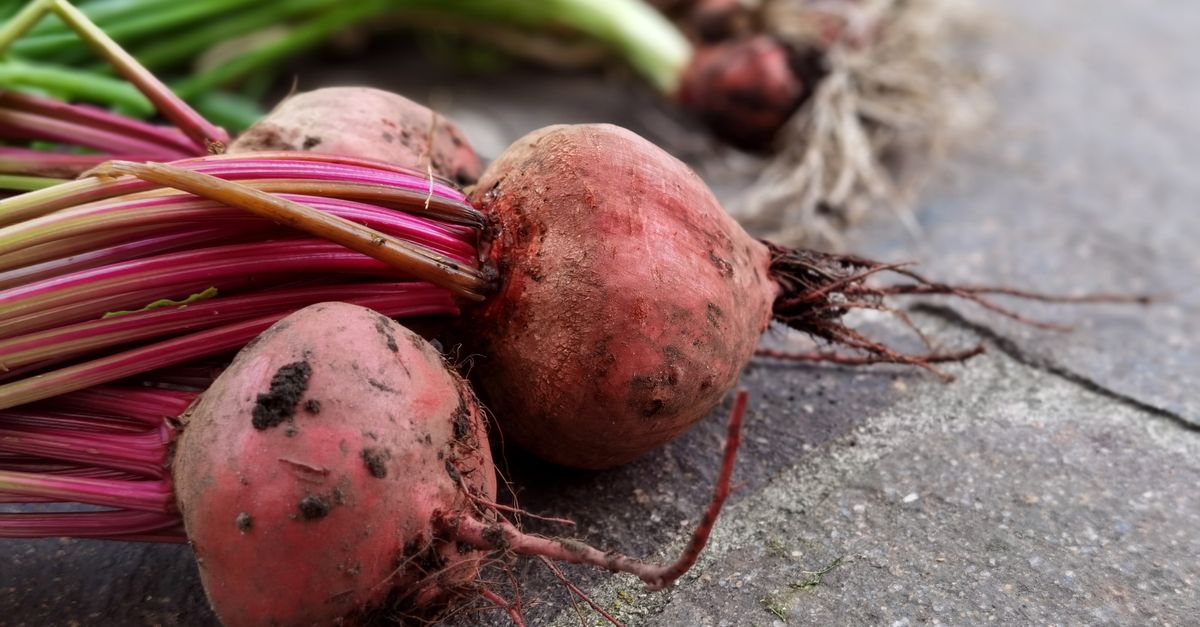
Beets have a reputation for being messy and fiddly, but the mess comes almost entirely from skipping one step: cooking before peeling. Once cooked, the skin slips off in seconds under cold running water. Get that order right and the rest is straightforward.
Which Cooking Method Should You Choose?
The method you pick changes the texture, flavor intensity, and how well the skin releases. Roasting concentrates the sugars and gives a slightly firmer bite; boiling produces a softer, more uniform texture good for blending or slicing thin; steaming sits between the two. Pressure-cooking (stovetop or electric) is the fastest route when you need beets ready quickly.
| Method | Relative time (medium beets) | Texture result | Best used for |
|---|---|---|---|
| Roasting (foil-wrapped) | Long | Firm, sweet, earthy | Salads, roasting trays, standalone side |
| Boiling | Medium | Soft, consistent | Soups, purées, pickling |
| Steaming | Medium | Soft with slightly more flavor than boiled | Salads, cold dishes |
| Pressure cooking | Short | Very soft | Fast weeknight prep, soups |
Time varies considerably based on beet size, so treat any timing as a starting point, not a rule. Always test doneness with a skewer or thin knife rather than watching the clock.
For another side dish that hinges on getting the cooking method just right, check out How to Cook Perfect Rice Every Time: Why It Turns Mushy Or Crunchy.
How to Roast Beets (and Peel Them After)
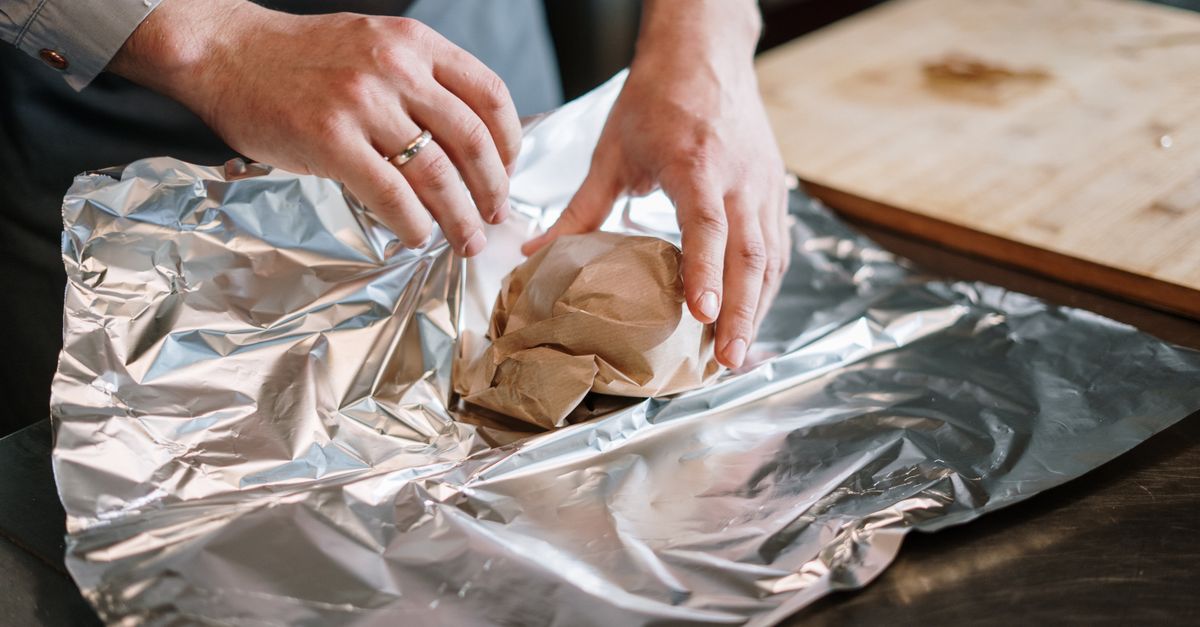
Roasting whole beets in foil is the method that produces the cleanest peel-release of all. The skin steams inside the foil packet and separates from the flesh without any cutting or blanching first.
What you need: Whole beets, olive oil (optional), aluminium foil, a baking sheet, rubber gloves or a folded paper towel for peeling.
- Trim the tops to about 1 cm above the root. Leave the taproot intact; this reduces color bleeding.
- Scrub under cold water to remove soil. Dry them.
- Rub each beet lightly with oil if you want to, then wrap individually in foil. Seal the packets well.
- Place on a baking sheet and roast at around 200°C (400°F). A medium beet (roughly golf-ball size) will be done in 45 to 60 minutes; a large beet closer to 75 to 90 minutes.
- Test by piercing through the foil with a skewer. If it meets no resistance, they are done.
- Let the packets rest unopened for 10 minutes. The residual steam continues loosening the skin.
- Open the foil, let the beet cool until comfortable to handle, then rub the skin with your fingers or a paper towel. It peels away in sheets.
The foil rest is the part most people skip, and it makes a real difference. Rushing straight to peeling while the beet is very hot both burns your fingers and makes the skin grip tighter.
How to Boil Beets (and Peel Them After)
Boiling is faster than roasting for large batches and produces a beet that holds its shape well for pickling or thin slicing.
- Leave beets whole, roots and a short stem intact. Do not peel or cut before boiling; breaking the skin lets color and sugars bleed into the water.
- Place in a pot and cover generously with cold water. Add a tablespoon of white vinegar or a squeeze of lemon if you want to limit color bleeding into the pot (the effect is modest but real).
- Bring to a boil over high heat, then reduce to a steady simmer. Small beets may be done in 30 minutes; large beets can take 50 to 70 minutes.
- Check with a skewer or thin knife. The beet should feel tender all the way through with no firm core.
- Drain and transfer to a bowl of cold water immediately. This stops the cooking and cools the beets fast enough to handle in a few minutes.
- Peel under a thin stream of cold running water. The skin slips off easily with gentle thumb pressure. For large batches, rubber gloves keep your hands stain-free.
How to Steam Beets
Steaming keeps more of the beet’s earthy flavor in the flesh rather than leaching it into cooking water. Use a steamer basket or a metal colander set over a pot of simmering water with a tight lid.
- Water level matters: keep it well below the basket and check it during cooking, especially for the longer times large beets require.
- Timing is similar to boiling, sometimes a few minutes longer because steam transfers heat less efficiently than water.
- Test and cool the same way you would boiled beets, then peel under cold running water.
Pressure Cooking: The Fastest Route
An electric pressure cooker or stovetop pressure cooker gets medium beets tender in roughly 15 to 25 minutes at full pressure, depending on size. Use about a cup of water in the pot (consult your appliance’s instructions for minimums), place beets on the steamer insert, and seal.
After releasing pressure, the peeling procedure is identical: cool slightly, then rub under cold water. The skin releases at least as well as it does from boiling, sometimes better.
Getting a Clean Peel Every Time
The peel step fails most often for two reasons: the beet was undercooked, or it was peeled too hot. Both have quick fixes.
If the skin is gripping: Put the beet back in the oven or pot for another 10 minutes. Undercooked beets peel with effort and often tear the flesh.
If you are peeling while hot: Wait. The brief cooling window when a beet is warm but not burning-hot is when the skin releases most cleanly.
Tools for peeling: You do not need a vegetable peeler for cooked beets. Your fingers, a paper towel, or the back of a spoon handle the job. A peeler actually catches on the soft flesh and removes more than skin.
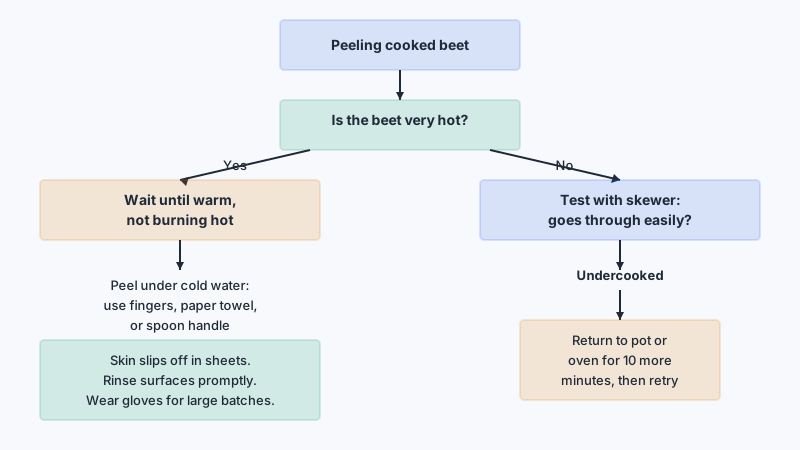
Staining: Beet pigment (betacyanin) stains cutting boards, countertops, and skin. Work on parchment paper or a dedicated board, rinse surfaces promptly with cold water, and wear gloves if you are peeling a large batch. Stains on hands usually wash off within a day.
Can You Peel Beets Raw?
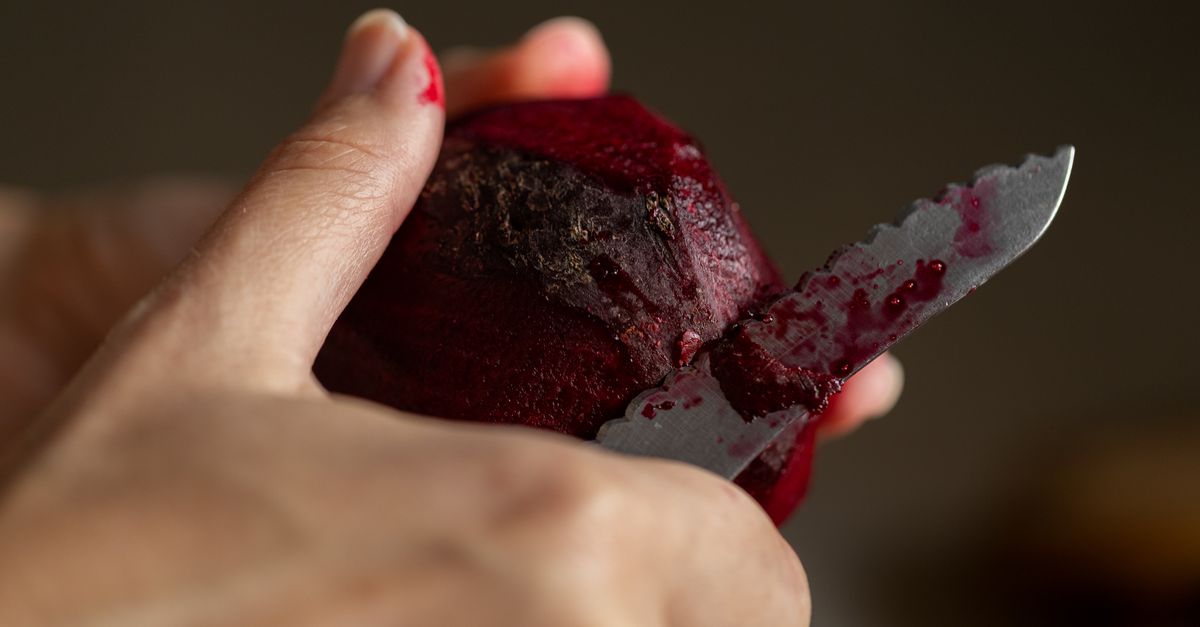
You can, and some preparations call for it (raw beet salads, raw shredded beet). A standard Y-shaped vegetable peeler works well on firm raw beets, though the skin is tougher and more fibrous than on cooked ones. Expect more resistance and more staining.
For anything that will be cooked anyway, there is no advantage to peeling first. The skin acts as a natural barrier that keeps the beet moist and flavorful during cooking, and removing it before cooking simply means more mess and a drier result.
Storing and Using Cooked Beets
Cooked, peeled beets keep well in the refrigerator in a sealed container. They stay at good quality for several days; after that, texture softens noticeably but they are still safe to eat. For food safety guidance on refrigerating cooked vegetables, the USDA’s food safety resources are a reliable reference.
Common uses after cooking:
- Slice into a salad with goat cheese and walnuts
- Blend into a soup with a swirl of yogurt
- Quarter and toss with orange zest and olive oil as a side dish
- Marinate in vinegar and sugar for quick refrigerator pickles
- Grate into a dip base with tahini or cream cheese
If you’re also planning to cook meat alongside your beets, our guide to Tender Meat Every Time: Acidic & Enzymatic Marinades can help you get fork-tender results.
Frequently Asked Questions
Do beets need to be peeled before roasting or boiling?
No. Cooking beets with the skin on is standard practice for good reason: the skin holds moisture in and prevents color and flavor from escaping into the cooking medium. Peel after cooking, not before, for better flavor and far less mess.
Why do my beets take so much longer than recipes suggest?
Beet size varies enormously, and most recipes assume a “medium” beet that may be smaller or larger than what you bought. A beet twice the diameter of a medium one takes considerably longer. Measure doneness with a skewer rather than a timer, and buy beets of similar sizes for even cooking.
Does vinegar in the boiling water actually stop beets from bleeding color?
It helps modestly. The acid in vinegar can slightly stabilize the pigment, but it does not create a firm barrier. Keeping the skin and stem stub intact does more to limit bleeding than any additive. The main reason to add vinegar is to reduce staining in your pot, not to preserve the beet’s color.
Can you freeze cooked beets?
Yes. Peel, slice or cube them, pat dry, and freeze in a single layer before transferring to a bag. Frozen cooked beets soften further on thawing, so they work better in soups, smoothies, and purées than in salads where a firm bite matters.
Are beet greens edible?
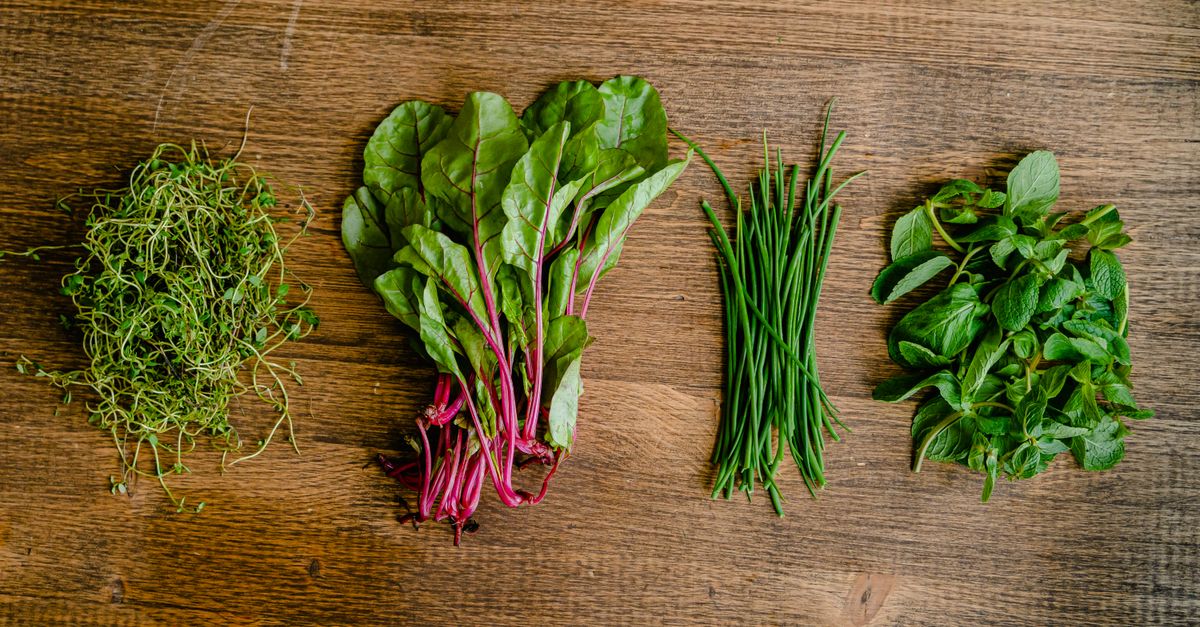
Yes, and they are worth using rather than discarding. Young beet greens work raw in salads; larger ones can be sautéed like chard or spinach. Trim the greens before cooking the roots, store them separately, and use them within a couple of days since they wilt faster than the roots.