Descaling a Kettle with Vinegar: What Actually Works
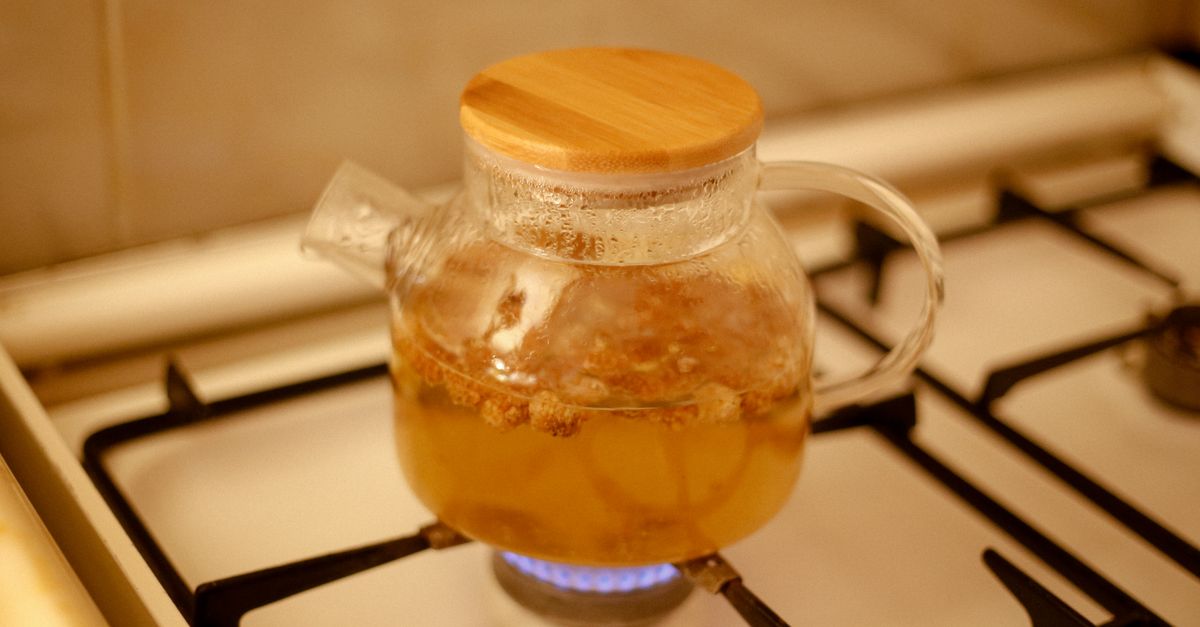
Limescale is almost inevitable if you live in a hard-water area. It builds up on the heating element, slows your kettle down, and — depending on how much has accumulated — can flake off into your cup. Vinegar cuts through it effectively and costs almost nothing, but the process only works well if you use the right dilution, the right dwell time, and the right rinsing routine. This guide covers exactly that.
What Limescale Is and Why It Matters
Limescale is calcium carbonate — the solid mineral residue left behind when hard water is heated and the water evaporates or boils off. It’s chemically similar to chalk, which is why it responds well to mild acids. The UK’s Drinking Water Inspectorate estimates that roughly 60% of homes in England and Wales sit in hard-water zones, and the figure is comparable in large parts of the United States, Australia, and continental Europe.
Inside a kettle, limescale coats the heating element first, because that surface reaches the highest temperature. A thick coating forces the element to work harder to transfer heat to the water, slightly increasing energy use and lengthening boil times. It’s rarely a danger — calcium carbonate is inert and tasteless at low doses — but the flaking, gritty texture it leaves in tea or coffee is genuinely unpleasant.
How fast scale builds depends almost entirely on how hard your local water is. In a very hard-water area, a kettle used several times a day may need descaling every four to six weeks; in a soft-water area, every three to four months is more realistic. Check your local water utility’s website for a hardness figure if you’re not sure.
Why Vinegar Works (and Which Type to Use)
White distilled vinegar is typically around 5% acetic acid. That concentration is strong enough to dissolve calcium carbonate through a straightforward acid-base reaction, producing calcium acetate (which dissolves in water), water, and carbon dioxide — the fizzing you see when the solution contacts heavy scale.
You have a few options:
- White distilled vinegar: the standard choice. Cheap, widely available, and leaves no residue if rinsed thoroughly.
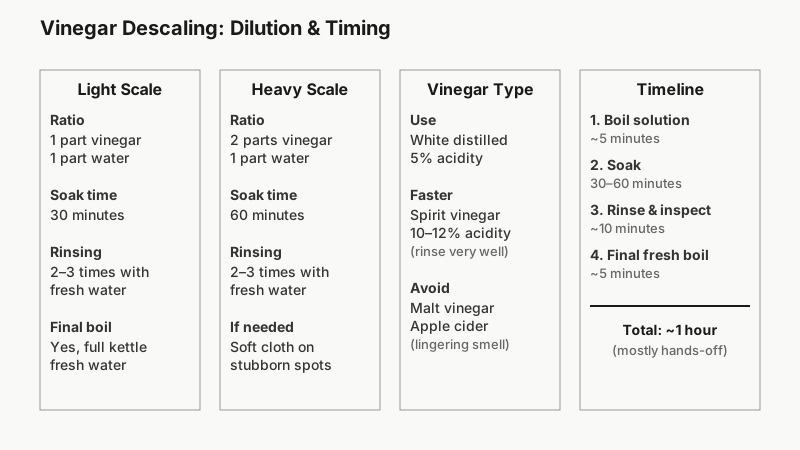
- Spirit vinegar (higher-acidity versions): some supermarket brands sell 10–12% acidity versions. These work faster but need more thorough rinsing.
- Apple cider vinegar: chemically similar, but stickier and more aromatic. It works, though the smell lingers slightly longer. Not recommended if you want odour-free results quickly.
- Malt vinegar: avoid it inside a kettle. It can leave a brown tinge and a persistent smell that’s hard to shift.
For standard descaling, plain white distilled vinegar at 5% acidity is the right tool.
The same descaling logic explains why a vinegar rinse also works wonders in another common appliance, as covered in How to Clean a Coffee Maker Properly: Vinegar Rinse Beats Ruined Brews.
How to Descale a Kettle with Vinegar
This process takes about an hour, most of which is hands-off soaking time.
What you need
- White distilled vinegar
- Water
- A measuring jug or cup
- A soft cloth or sponge
Step 1: Empty and prepare the kettle
Pour out any remaining water. If your kettle has a removable filter or mesh guard over the spout, take it out now — it can soak separately and usually only needs a rinse under the tap.
Step 2: Mix and fill
For light-to-moderate scale, fill the kettle with equal parts white vinegar and water (a 1:1 ratio). For heavy build-up — thick, visible flaking or a fully white-coated element — use two parts vinegar to one part water. Don’t fill beyond the maximum line.
Step 3: Bring the solution to a boil
Switch the kettle on and let it boil fully. The heat accelerates the reaction significantly. You’ll probably see or hear the scale breaking up as it boils. Once it clicks off, leave the solution in the kettle.
Step 4: Soak for 30–60 minutes
For light scale, 30 minutes is usually sufficient. For heavy deposits, let the hot solution sit for the full hour. There’s no benefit to going much longer — if an hour hasn’t dissolved a deposit, repeated treatments work better than extended soaking.
Step 5: Discard, rinse, and inspect
Pour the solution away. Rinse the inside of the kettle two or three times with fresh water, swirling each fill before pouring it out. Look at the element — if patches of scale remain, run a second treatment before moving on. Stubborn spots can be gently scrubbed with a soft cloth while the element is still damp.
Step 6: Rinse out the vinegar smell
This step is non-optional. Fill the kettle with fresh water, boil it, and pour that water away. Repeat once more. Two full boil-and-discard cycles is the minimum; if any vinegar taste or smell remains on a third fill, boil and discard again. The vinegar odour clings to the plastic or stainless interior briefly but always clears with rinsing — it doesn’t indicate a residue problem.
Step 7: Reattach the filter
Rinse the filter under cold water and slot it back in. You’re done.
Material-Specific Notes
Stainless steel interiors
Vinegar is safe for stainless steel kettles. The acid concentration at 5% is far too low to etch or discolour a food-grade stainless surface. No special precautions needed.
Plastic interiors
Vinegar is also safe for food-grade plastic, but the smell can linger slightly longer in plastic than in steel because plastic is mildly porous. Three boil-and-discard rinsing cycles instead of two is worth doing for plastic-interior models.
Glass kettles
Glass is chemically inert to acetic acid, so vinegar is fine. Glass is visually helpful here — you can see exactly how much scale remains and watch the cleaning process as it happens.
Kettles with filter-style elements or concealed elements
If your element is fully concealed beneath a flat base (common in many modern designs), vinegar still works — it just soaks the scale via the water around it rather than direct contact. These sometimes need a slightly longer soak, and inspecting the base after emptying will tell you whether a second cycle is needed.
When Vinegar Isn’t Enough
Vinegar handles the vast majority of household limescale, but there are two scenarios where it struggles:
Years-old, calcified build-up: calcium carbonate that has been heat-cycled for years can become more compact and denser. Here, a commercial citric acid descaler (sold as powder or liquid) often works faster because higher molar concentrations are practical with citric acid in solid form. A citric acid solution at around 20–30 g per litre tends to outperform vinegar on very old deposits.
Truly immovable patches: if a crust survives two or three vinegar treatments, gentle mechanical help — a soft cloth, never anything abrasive — combined with a repeated soak usually finishes the job. Don’t use steel wool, scouring pads, or sharp objects; they scratch the element coating and create rough surfaces that attract future scale faster.
Keeping the Kettle Scale-Free Longer
A few habits extend the time between descaling sessions:
- Pour out leftover water after each use. Standing water deposits minerals every time it slowly evaporates or cools. This is probably the single most effective habit.
- Use filtered water if scale is a constant nuisance. A jug filter significantly reduces dissolved calcium, which slows accumulation noticeably. Results vary with filter quality and original water hardness.
- Descale before scale becomes visible. A thin, early-stage coating responds to one short treatment. A thick, established crust may need two or three cycles.
- Don’t over-fill. The more water you heat beyond what you need, the more mineral-laden water is being cycled, and the faster scale accumulates.
For more habits that keep every corner of your kitchen looking its best, check out 10 Tips for Keeping a Clean Kitchen Every Day.
Frequently Asked Questions
Is it safe to drink from a kettle that was descaled with vinegar?
Yes, provided you have rinsed thoroughly. Boil and discard plain water at least twice after descaling. Acetic acid at 5% concentration leaves no harmful residue once it’s been flushed out, and the rinsing cycles clear any remaining taste. If you can smell vinegar on your third fill, boil and discard that too before using the water for drinking.
How often should I descale my kettle?
That depends on your water hardness and how frequently you use the kettle. In a very hard-water area with daily use, every four to six weeks is reasonable. In a soft-water area with moderate use, every two to three months may be enough. The honest answer is: descale when you notice slow boiling, a white coating on the element, or flakes in the water — rather than on a fixed calendar.
Does vinegar damage a kettle’s heating element?
No. A standard 5% white vinegar solution does not corrode stainless steel, nichrome, or the food-grade plastics used in kettle manufacture. The acid is consumed by its reaction with calcium carbonate, so prolonged contact with the bare metal after the scale is gone poses no meaningful risk during a normal descaling session.
Can I use lemon juice instead of vinegar?
Yes. Citric acid in lemon juice dissolves limescale by the same mechanism as acetic acid in vinegar. Fresh lemon juice is roughly 5–8% citric acid, which is effective though more expensive than vinegar for regular use. It tends to leave a pleasanter residual smell. A 1:1 dilution with water works the same as with vinegar.
Why does my kettle smell of vinegar even after rinsing?
Plastic interiors in particular hold the smell briefly. One or two more boil-and-discard cycles with plain water almost always clears it completely. Rarely, if vinegar has soaked a rubber seal or gasket around the lid, that component holds the odour slightly longer — leaving the lid open between uses for a few hours usually resolves it.