Removing Mineral Deposits from a Coffee Carafe Without Vinegar
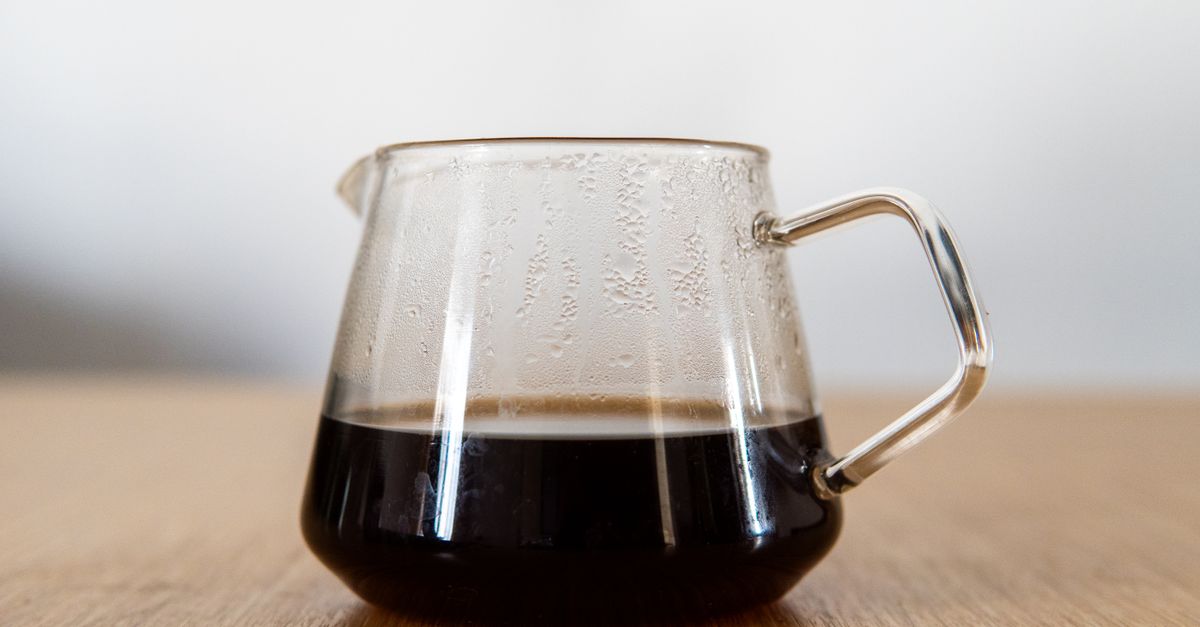
Vinegar works, but not everyone wants their morning coffee tasting faintly of it for the next three pots. The good part is that calcium and magnesium scale — the chalky white or grey film that builds up inside glass and stainless carafes — responds just as well to several other kitchen staples and dedicated cleaning agents, and some of them are kinder to seals and gaskets than acetic acid.
What Mineral Deposits Actually Are
The film inside your carafe is mostly calcium carbonate, the same compound that forms limescale in kettles and shower heads. When hard water heats up, dissolved minerals come out of solution and bond loosely to glass or metal. The longer a carafe sits between cleanings, the thicker the layer becomes, and thick scale genuinely affects flavour by providing a surface where old oils and bitter compounds cling.
Because calcium carbonate is alkaline, an acid dissolves it quickly. The trick without vinegar is picking a different acid — or a mild abrasive — that works just as well without the smell or the potential for rubber-seal degradation with prolonged use.
Citric Acid: the Closest Substitute
Citric acid powder is sold in the baking aisle or home-brew section of most grocery stores, and it is the same active ingredient used in many commercial descaling sachets. It smells faintly lemony during use and rinses completely odourless.
For a lightly scaled carafe, dissolve one teaspoon of citric acid powder in about 500 ml of hot (not boiling) water and pour it into the carafe. Let it sit for 20 to 30 minutes, swirl occasionally, then pour it out and rinse twice. For a carafe with visible, crusty build-up, use two teaspoons and extend the soak to an hour. You will see the scale loosen from the bottom first as tiny flakes.
Citric acid is food-safe, biodegradable, and gentler on rubber components than acetic acid, which matters if your carafe has a rubber-tipped plunger (French press style) or silicone gaskets.
For another appliance plagued by scale, Descaling a Kettle with Vinegar: What Actually Works explains how a similar approach plays out with everyday vinegar.
Lemon Juice for Light Scaling
Fresh lemon juice or bottled 100% lemon juice contains citric acid at a lower concentration than the powder, so it works best on thin, fresh deposits rather than older build-up. Fill the carafe halfway with lemon juice, top up with hot water to dilute slightly, and leave it for 30 minutes. The scent is pleasant, and the rinse is straightforward. Keep in mind that the sugar and pulp in less-refined lemon juice can leave its own residue if you skip a thorough rinse.
Baking Soda Plus Warm Water
Baking soda (sodium bicarbonate) does not dissolve calcium carbonate the way an acid does — it is mildly alkaline itself. What it does well is act as a gentle abrasive and a deodoriser. This approach works better on recent, thin scale than on established crust, and it pairs well with a bottle brush or a handful of uncooked rice used as a scrubbing agent.
Add one tablespoon of baking soda to the carafe, pour in enough warm water to cover the scale, then swirl firmly. Drop in a small handful of uncooked rice and swirl again — the rice rolls around the curved bottom and sides, dislodging loose deposits without scratching glass. Pour out and rinse well.
For more stubborn staining alongside the mineral build-up, mix baking soda into a paste with just enough water to make it spreadable, apply it to a bottle brush, and scrub directly. Rinse until the water runs clear.
Cream of Tartar Soak
Cream of tartar (potassium bitartrate) is a mild acid that many households already have for baking. Its action on limescale is similar to citric acid but slower, making it best suited to overnight soaks rather than quick treatments.
Dissolve two teaspoons of cream of tartar in hot water, fill the carafe, and leave it overnight. In the morning, swirl and empty it — most light to moderate scale comes away cleanly. Follow with a rinse and a normal dish-soap wash. Results vary depending on how hard your local water is and how thick the scale has become, so a first-time use may take two treatments.
Denture Tablets and Oxygen-Based Cleaners
Effervescent denture-cleaning tablets contain mild acids, mild bleaching agents, and surfactants. Drop one or two tablets into the water-filled carafe, wait for the fizzing to stop (usually 15 to 20 minutes), then swirl and rinse. They handle light mineral deposits and coffee stains at the same time, which is useful for carafes where the scale and the brown coffee residue have fused into one stubborn layer.
Oxygen-based cleaners sold for cleaning coffee equipment work on the same principle. Follow the packet instructions for the ratio; these products are specifically formulated not to leave flavour behind and are generally safe for glass, stainless, and thermal carafes.
Dealing with Stainless Steel Thermal Carafes
Thermal carafes with narrow mouths need a long soak rather than scrubbing, because you cannot get a brush into the right angle. Citric acid solution or a denture tablet are the most practical choices: fill the carafe, wait, and let the chemistry do the work. A flexible bottle brush with a bent-neck design helps if the carafe mouth is wide enough to admit one.
Avoid using coarse salt as a scrubber inside stainless steel. Unlike glass, the interior of a stainless carafe can be scratched by abrasive particles, and scratches give minerals and oils more surface area to cling to in future — the opposite of what you want.
For the exterior of a stainless carafe, a damp cloth with a small amount of dish soap is all you need. Avoid submerging a thermal carafe if the manufacturer’s instructions say not to; water trapped between the walls degrades the vacuum insulation.
Keeping Scale From Coming Back
How quickly scale returns depends almost entirely on your water hardness. Soft-water households may clean once every few months and find only light film. Hard-water areas can see visible crust within a few weeks.
Rinsing the carafe with cold water immediately after emptying it removes mineral-laden residue before it has a chance to dry and bond. Leaving the carafe upside down to air-dry prevents moisture from pooling at the bottom, which is where the thickest deposits usually form. A monthly citric acid soak as routine maintenance keeps scale from ever reaching the crusty, hard-to-shift stage.
If scale is a recurring problem despite regular cleaning, a simple pitcher-style water filter on your water supply — or a filtered-water setting on your machine if it has one — reduces the mineral load before it ever reaches the carafe.
If mineral buildup is a recurring issue elsewhere in your kitchen, How to Unclog a Showerhead: Dissolving Mineral Buildup With Vinegar tackles the same problem in a very different fixture.
Frequently Asked Questions
Does rice actually scratch the inside of a glass carafe?
Uncooked rice is softer than glass, so it does not scratch the surface when used gently with water. The concern would be more relevant with coarse salt, which is harder and more angular. That said, swirling with extreme force on already-cracked or chipped glass is worth avoiding regardless of what abrasive you choose.
How long should I soak a heavily scaled carafe?
For deep, crusty scale, an overnight soak in citric acid solution is usually more effective than multiple short soaks. If the deposits are still clinging after one overnight treatment, empty the carafe, make a fresh solution, and repeat. Scrubbing gently with a bottle brush between soaks loosens what the acid has already started to dissolve.
Will these methods work on a thermal carafe with a dark interior?
Yes. The chemistry acts on the calcium carbonate regardless of the carafe’s colour. Because you cannot see the interior of a dark thermal carafe easily, smell and taste are the better indicators: a clean carafe should smell neutral and brew coffee that does not have an off, mineral, or metallic undertone.
Is it safe to use citric acid on plastic carafes?
Citric acid at the concentrations used for descaling (one to two teaspoons per 500 ml) does not damage food-grade plastics. Rinse thoroughly after use. What can eventually degrade some plastics is extended contact with concentrated acids, or repeated use of chlorine-based cleaners — neither of which is involved here.
How do I know when the scale is fully gone?
Hold the rinsed carafe up to a light source and look at the bottom and the lower sides. Fully removed scale leaves the glass or metal looking uniformly clear or bright, with no cloudy patches or white speckling. If cloudiness remains, repeat the soak rather than scrubbing harder — patience with the chemical process does less harm to the surface than mechanical force.