Scratch Cornbread: Getting That Crispy Crust and Tender Crumb
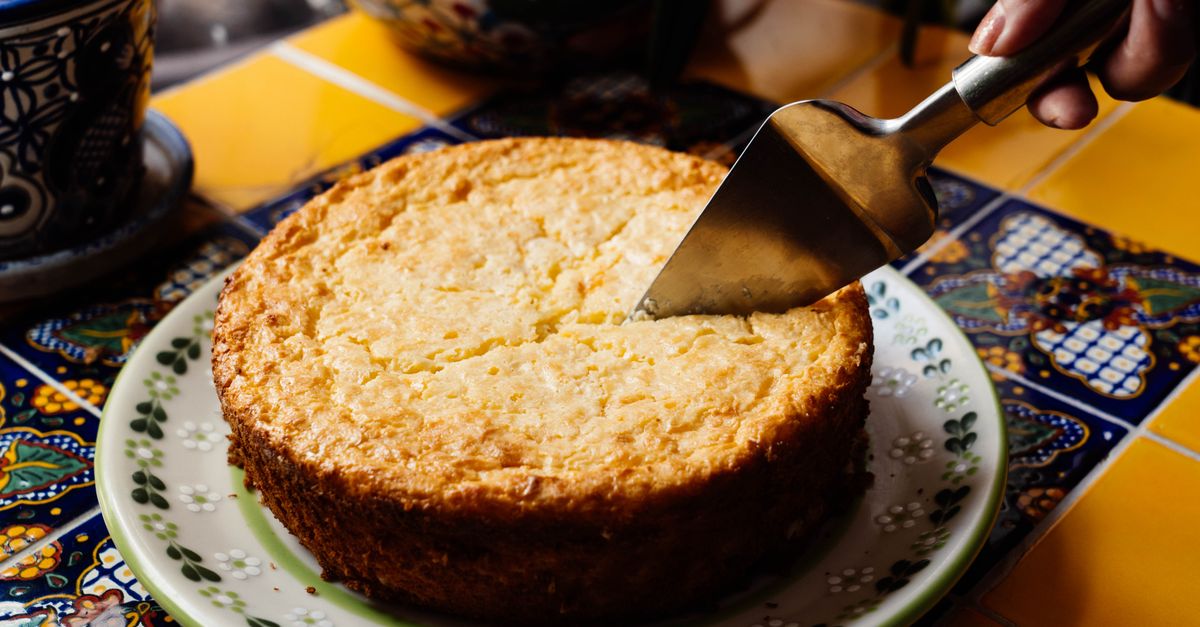
Cornbread made from scratch tastes nothing like the box. The crust crackles where it meets a hot cast iron pan, the crumb stays tender without turning gummy, and the flavor has a faint sweetness that never tips into cake territory. The difference comes down to a few technique choices, not complex skills.
What Ingredients Actually Do in Cornbread
Understanding each ingredient saves you from guessing when something goes wrong.
Cornmeal is the structural base and the source of flavor. Stone-ground cornmeal has more texture and a nuttier taste than finely ground commercial cornmeal. Either works, but they produce noticeably different crumbs: coarser grinds give a more open, crunchy texture; fine grinds give a smoother, more cake-like result.
Flour lightens the crumb. A 100% cornmeal batter bakes denser and more crumbly; adding a portion of all-purpose flour gives the bread enough gluten structure to hold together and stay tender. Recipes vary from no flour at all (classic Southern style) to roughly equal parts flour and cornmeal.
Fat affects both tenderness and flavor. Bacon drippings are the traditional choice in Southern cornbread and contribute a savory depth no neutral oil can replicate. Butter adds richness. Vegetable oil keeps things moist longer. The best approach depends on which style you are making.
Buttermilk does two things: its acidity reacts with baking soda to produce lift, and it keeps the crumb tender and slightly tangy. If you do not have buttermilk, stir a tablespoon of white vinegar or lemon juice into a cup of whole milk and let it sit for five minutes. The result is close but not identical.
Eggs bind the batter and help the crumb set without drying out. One egg is usually enough for an 8-inch pan.
Leavening: most recipes use a combination of baking powder and baking soda. Baking powder provides most of the lift; baking soda balances the acid from buttermilk and adds extra browning. Check that your baking powder is fresh; stale leavening is a common reason cornbread turns out flat and dense.
Two Main Styles and Which to Make
| Style | Sweetness | Flour | Fat | Texture | Best for |
|---|---|---|---|---|---|
| Southern (US) | Little to none | Low or none | Bacon drippings or lard | Dense, crumbly, crispy bottom | Chili, beans, savory meals |
| Northern/sweeter | Moderate | Equal to cornmeal | Butter or oil | Lighter, more cake-like | Standalone snack, BBQ sides |
| Skillet (either style) | Varies | Varies | Any, preheated in pan | Very crispy bottom crust | When crust texture matters most |
Neither style is objectively better. Purists on the Southern side reject sugar outright; cooks who grew up with Jiffy mix prefer the sweeter version. If you are new to scratch cornbread, the skillet method below works with both flavor profiles and produces the most dramatic crust.
The Skillet Method for Maximum Crust
Preheating the pan is the single biggest technique difference between good cornbread and great cornbread. A cold pan produces a pale, slightly soft bottom. A screaming hot cast iron pan fries the bottom of the batter the moment it hits the surface, creating that crackly, almost crispy layer that defines the best cornbread.
The same high-heat logic that gives cornbread its crust is at work in Crispy Roast Potatoes: The Step-by-Step Guide to Perfect Results, another dish that relies on a screaming-hot pan for texture.
What you need
- A 10-inch or 9-inch cast iron skillet (a 9x9 baking pan works but will not give the same crust)
- Oven set to 220°C / 425°F
- About two tablespoons of fat for the pan (bacon drippings, butter, or shortening)
The batter
- 240 g (1½ cups) medium-ground cornmeal
- 90 g (¾ cup) all-purpose flour
- 1½ tsp baking powder
- ½ tsp baking soda
- 1 tsp fine salt
- 1–2 tbsp sugar (optional; leave out for strictly savory cornbread)
- 2 large eggs
- 350 ml (1½ cups) buttermilk, at room temperature
- 60 ml (¼ cup) melted butter or neutral oil
Steps
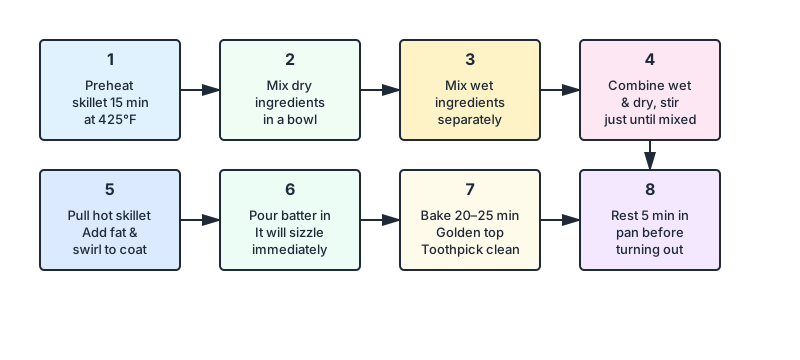
- Place the empty skillet in the oven while it preheats. Give it at least 15 minutes at full temperature.
- Whisk the dry ingredients together in a large bowl: cornmeal, flour, baking powder, baking soda, salt, and sugar if using.
- In a separate bowl, whisk the eggs, buttermilk, and melted fat together.
- Pour the wet ingredients into the dry ingredients and stir until just combined. A few lumps are fine. Stop as soon as no dry streaks remain; overmixing toughens the crumb.
- Carefully pull the skillet from the oven. Add the two tablespoons of fat directly to the hot pan and swirl to coat the bottom and sides. It will smoke a little — that is expected.
- Pour the batter into the pan immediately. It should sizzle when it hits the iron.
- Return to the oven and bake for 20 to 25 minutes, until the top is golden brown and a toothpick inserted in the center comes out clean.
- Let it rest in the pan for five minutes before turning it out or cutting.
Why Cornbread Fails (and How to Fix It)
Dense and gummy in the center: Usually underbaked. An oven thermometer is worth checking; many home ovens run cooler than their dial claims. Also verify your baking powder is fresh by dropping half a teaspoon into hot water — if it bubbles vigorously, it is active.
Falls apart when sliced: Too little binder or no flour. If you are using 100% cornmeal by choice (traditional Southern), letting it cool completely before cutting helps. A small amount of flour or an extra egg can also stabilize the crumb if texture is a priority.
No crust on the bottom: The pan was not hot enough before the batter went in, or the fat was not hot enough in the pan. Preheat longer and use a fat with a high smoke point.
Too dry: Either overbaked or not enough fat in the batter. Check it at 18 minutes the first time you try a new oven. Fat-free or very low-fat recipes are inherently drier; add another tablespoon of melted butter if the crumb is consistently dry.
Tastes bitter: This is almost always too much baking soda relative to the acid in the recipe. If you add buttermilk and also a lot of baking powder (which contains its own acid), excess baking soda has nothing left to neutralize and leaves a soapy taste. Measure carefully and do not swap baking powder for baking soda at a 1:1 ratio.
If you also battle flat results with other quick breads, Fluffy Pancakes from Scratch: Why Batter Falls Flat tackles the same leavening and mixing pitfalls from a different angle.
Variations Worth Trying
Jalapeño and cheddar: Fold in a handful of shredded sharp cheddar and two or three sliced pickled jalapeños at the end of mixing. The fat from the cheese keeps the crumb moist and the brine from the jalapeños sharpens the acidity.
Herb cornbread: Two tablespoons of fresh thyme or rosemary stirred into the batter pair well with roast chicken or lamb.
Skillet cornbread with creamed corn: Replace about 100 ml of buttermilk with canned creamed corn. The batter will look unusual but bakes into a noticeably moister crumb with a faint sweetness that does not taste sugary.
Corn sticks: The same batter baked in a preheated cast iron corn stick pan gives individual pieces with maximum crust-to-crumb ratio — useful when you want everyone to have their own piece without slicing.
Storing and Reheating Without Losing the Crust
Cornbread stales faster than wheat bread because cornmeal has no gluten network to retain moisture. Wrapped tightly at room temperature, it stays good for two days. In the refrigerator it keeps for up to a week, though the crust softens considerably.
For the best reheating result, place slices cut-side down in a dry skillet over medium heat for two to three minutes. This revives some of the original crust without drying out the interior. The microwave works in a pinch but produces a soft, almost steamed result with no crust character at all.
For longer storage, cornbread freezes well. Wrap individual pieces in plastic, then foil, and freeze for up to three months. Reheat straight from frozen in a 180°C / 350°F oven for about 15 minutes, unwrapped.
Frequently Asked Questions
Can I make cornbread without a cast iron pan?
Yes. A heavy-bottomed stainless steel skillet or a standard 9x9 square baking pan will work. The crust will be less dramatic, particularly on the bottom, because thinner pans heat less evenly. Preheating even a baking pan in the oven before adding the batter helps somewhat.
What is the difference between white and yellow cornmeal?
The color comes from different varieties of corn. The flavor difference is subtle and not consistent enough to make firm rules about. Yellow cornmeal tends to have a slightly more pronounced corn flavor in some grinds, but the grind (fine, medium, coarse) and whether it is stone-ground or processed have more practical impact on the final texture than color alone.
Why does my cornbread taste flat even though it rose?
Rise and flavor are separate issues. Flat-tasting cornbread usually comes from under-salting, stale cornmeal (cornmeal goes rancid faster than flour because of its oil content — store it in the freezer if you do not bake often), or using a very fine, heavily processed cornmeal that lacks the bran and germ present in stone-ground versions.
Can I use plain milk instead of buttermilk?
Plain whole milk works but produces a milder, less tangy crumb and less chemical lift, because the baking soda needs acid to activate fully. The vinegar or lemon juice substitution mentioned above is more effective. Some cooks use plain yogurt thinned with a splash of milk to get the acidity and fat content close to buttermilk.
How do I know when cornbread is done without overbaking it?
A toothpick inserted in the thickest part of the center should come out with no wet batter attached — moist crumbs clinging to it are fine. The edges will also have pulled away slightly from the sides of the pan, and the top should be fully golden, not pale or shiny in the center. Start checking a few minutes before the recipe’s stated time the first time you bake it in a new oven.