Building a Simple Emergency Kit: What You Actually Need
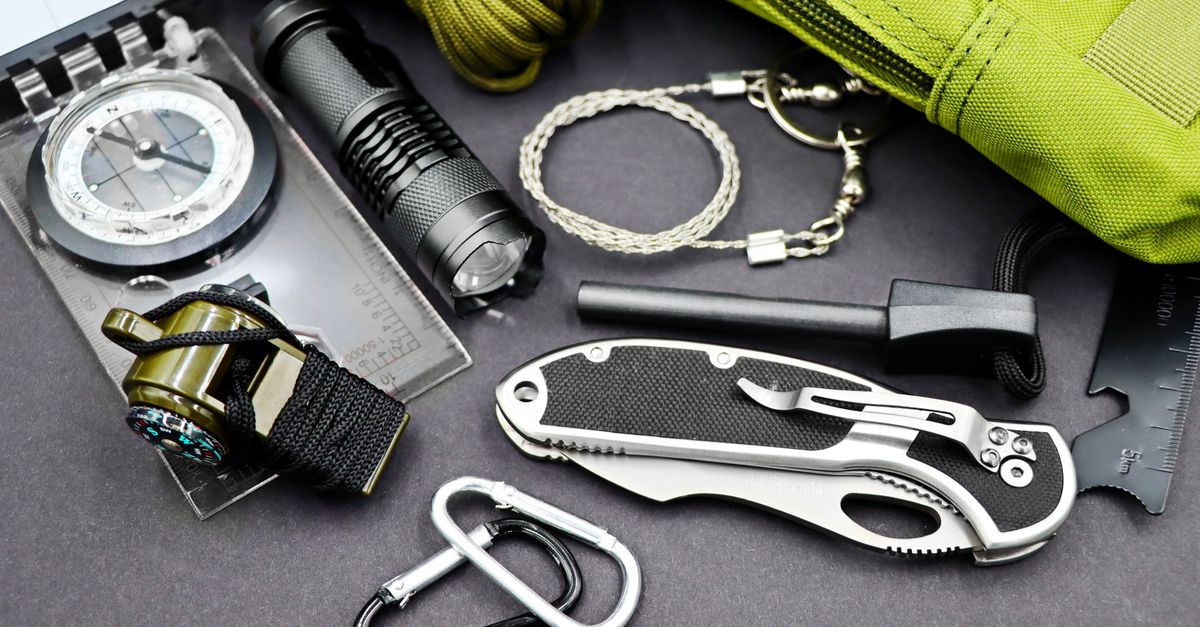
Emergencies rarely give you warning. A power outage, a flash flood, or a week-long winter storm has a way of arriving before you feel ready. The good news: putting together a solid home emergency kit is a one-afternoon project, not a doomsday obsession. What matters is having the right things in the right place before you need them.
The Core Principle: Two Weeks of Self-Sufficiency
Most emergency management guidance centers on having supplies for at least 72 hours, but in practice, supply chains and utilities can stay disrupted much longer after a major storm or infrastructure event. A more resilient target is two weeks of critical supplies. That might sound like a lot — it isn’t, once you break it into categories.
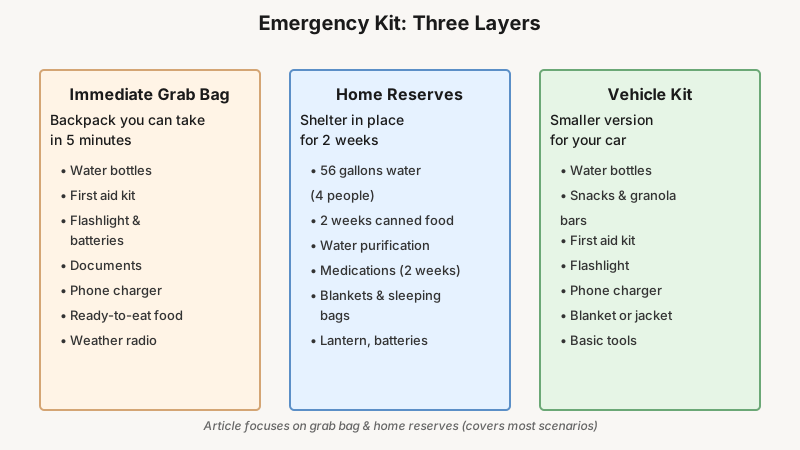
Think of your kit as three layers:
- Immediate grab bag — a backpack you can take if you must leave in five minutes
- Home reserves — stocked pantry and supply drawers for sheltering in place
- Vehicle kit — a smaller version for your car
This article focuses primarily on the home reserves and grab bag, since those two cover the majority of scenarios.
Water: The Item People Always Understock
Water is the single most important category and the one most people get wrong. The standard figure cited by emergency planners is roughly one gallon per person per day — more in hot climates, for pregnant women, or if anyone is ill. For a household of four, a two-week supply means around 56 gallons. That’s a serious volume.
How to manage it practically:
- Commercial water bricks or stackable containers store more efficiently than round jugs and can sit under a bed or in a closet.
- Large food-grade barrels (30–55 gallon) are a space-efficient option if you have a garage. Rotate water every six to twelve months.
- Water purification as a backup — store iodine tablets or a quality portable filter (look for ones rated to 0.1 micron to handle bacteria and protozoa). These extend your options if tap water becomes contaminated but not bone-dry.
Don’t forget water for sanitation: flushing, washing hands, and basic hygiene all draw from the same reserves.
Food: Calories First, Variety Second
The goal for emergency food is simple calories that require minimal preparation — ideally no cooking at all for at least the first few days, in case utilities are out.
Stock up on:
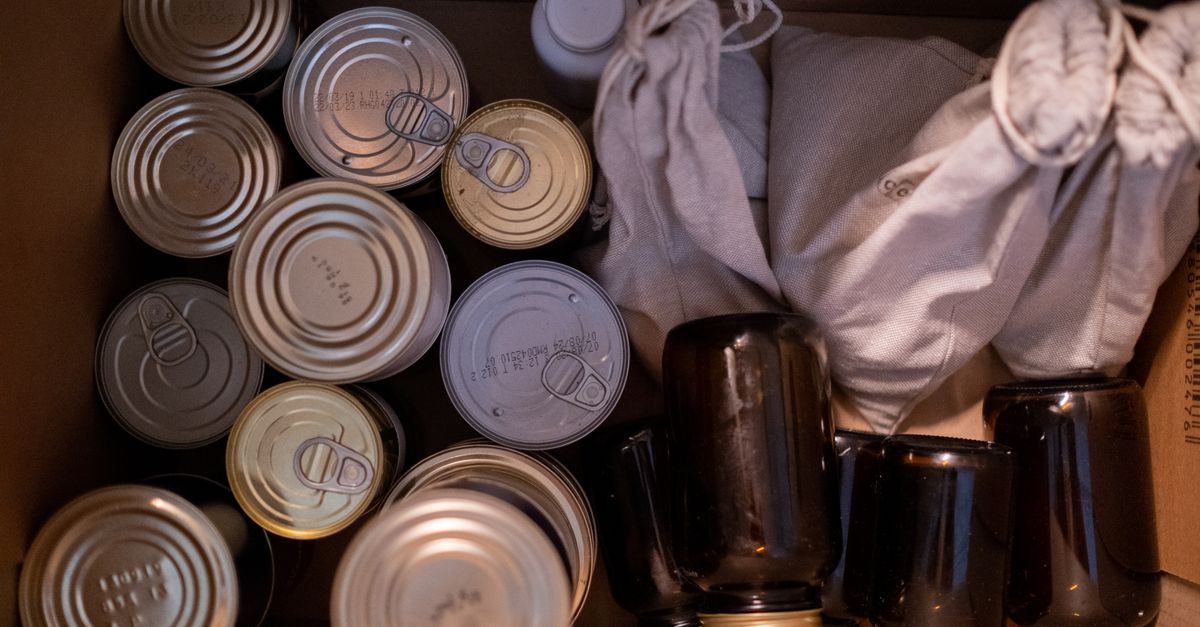
- Canned goods (beans, tuna, sardines, soups, vegetables) — check expiration dates and rotate every one to two years
- Nut butters (high calorie density, no refrigeration needed)
- Crackers and rice cakes
- Dried fruit, nuts, granola bars
- Instant oats or instant noodles (need only hot water — a camp stove can cover this)
- Infant formula and baby food if relevant
A note on calories: an adult doing light activity needs roughly 1,800–2,200 calories per day. Use that as a rough floor when calculating how much to store per person. Emergency stress and cold environments raise needs somewhat.
One often-missed item: a manual can opener. Obvious once you’ve forgotten it.
The First Aid Kit: Beyond the Basic Bandage Box
A store-bought first aid kit is a decent starting point, but most of them are lean on supplies and heavy on small bandages. Audit yours and add:
- Gauze pads (4×4 inch) and rolled gauze — these matter for actual wounds
- Medical tape and butterfly closures
- Antiseptic wipes and povidone-iodine
- A tourniquet (learn to use it properly — it’s not complicated but does require a few minutes of instruction)
- Elastic bandage (ACE wrap)
- Tweezers and small scissors
- Digital thermometer
- Medications: a two-week supply of any prescription you depend on, plus OTC pain relievers, antihistamine, antidiarrheal, and antacid
- Nitrile gloves — at least four pairs
Store medications in a cool, dry place and check expiration dates twice a year.
Power, Light, and Communication
When the grid goes down, the immediate problems are light, information, and temperature.
Lighting:
- LED headlamps (one per person) — headlamps are more useful than flashlights because they leave your hands free
- Extra batteries in the correct sizes — lithium batteries last longer in cold storage
- At least one lantern-style light for room illumination
Communication:
- A battery-powered or hand-crank NOAA weather radio — this is how official alerts reach you when phone service is unreliable
- Keep a battery pack (power bank) charged for your phone; a 20,000 mAh bank can recharge a typical smartphone four to five times
Warmth and cooling:
- Emergency Mylar blankets (they’re cheap, pack flat, and are genuinely effective at retaining body heat)
- A quality sleeping bag rated to below-average winter temperatures if you live somewhere cold
- Battery-operated fans if heat is the bigger local risk — heatstroke is a serious emergency too
Charging strategy: a small solar panel (20–100W) and a portable battery station can run phone charging, a fan, and LED lights indefinitely during daylight. This is worth considering if you live in an area prone to multi-day outages.
Documents, Cash, and Identity
This category is routinely forgotten until it’s needed.
- Copies of key documents: passport, driver’s license, insurance cards, medication list, emergency contacts, home insurance policy number
- Store physical copies in a waterproof bag or a small fireproof pouch inside your grab bag
- Keep $200–$300 in small bills — ATMs and card readers go offline in a widespread emergency
- A USB drive with digital copies of important documents can supplement paper
Tools and Sanitation Supplies
Basic tools:
- Adjustable wrench (to shut off gas and water valves — know where your shutoff valves are)
- Duct tape and a roll of plastic sheeting (for blocking broken windows or improvised insulation)
- Utility knife
- Work gloves
- Whistle — a loud one, for signaling if trapped
Sanitation:
- Toilet paper (more than you think you’ll need)
- Hand sanitizer and soap
- Unscented bleach — a small amount added to water (roughly 8 drops per gallon, let stand 30 minutes) can disinfect water in an emergency; confirm the bleach is 6–8.25% sodium hypochlorite and unscented
- Garbage bags and ties
- Wet wipes — invaluable if running water isn’t available for a few days
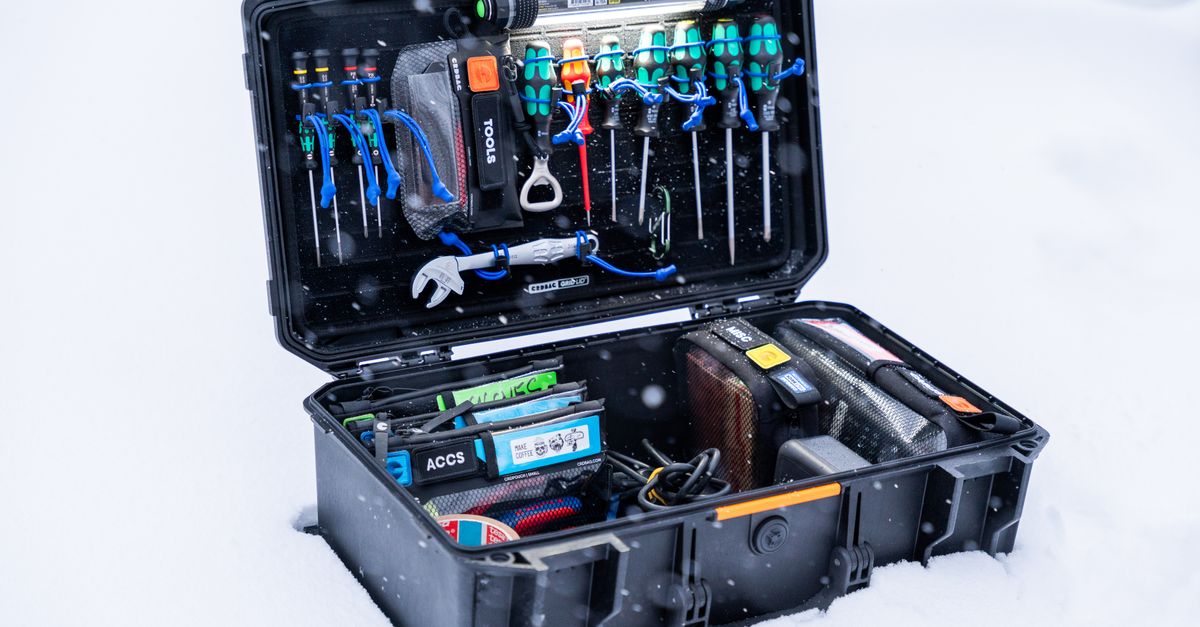
For guidance on picking the tools worth stocking, Building Your First Home Tool Kit Without the Guesswork is a solid starting point.
Pets, Infants, and Medical Needs
Generic kit lists assume a household of able-bodied adults. Adjust for your actual household:
- Pets: at least a one-week supply of food, water, medications, and a crate or carrier. Many emergency shelters don’t accept pets; identify pet-friendly options in advance.
- Infants: extra formula, diapers, wipes, and any items needed for feeding.
- Medical devices: spare batteries for hearing aids, a backup plan for powered medical equipment (CPAP, oxygen concentrators), and documentation of conditions to share with emergency responders if needed.
Maintaining the Kit
Building the kit once and forgetting it defeats the purpose. A simple maintenance routine:
- Every six months — check food and water expiration dates, rotate as needed, test batteries and flashlights
- Every year — review medications, update documents (especially if insurance or contacts have changed), replenish anything you’ve used
- After any emergency — replace everything you consumed before the next event
Link the check to something you already do: a daylight-saving time clock change, a birthday, whatever is easy to remember.
Getting It All in One Place
You don’t need to buy everything at once. A practical approach: allocate a modest budget each week for a month — maybe $20–$30 per trip — and work through the categories systematically. Water and food first, then first aid and light, then documents and tools. Within a month, you’ll have a functional kit for a fraction of what a pre-packaged survival kit costs, and you’ll know exactly what’s in it.
The goal isn’t to prepare for every scenario. It’s to handle the most likely ones — extended power outages, severe weather, and short-term displacement — without depending on infrastructure that might not be available.
If clutter is making it hard to even find space for a kit, How to Declutter Your Home Step by Step (That Actually Works) can help you clear the way first.
Frequently Asked Questions
How much water should I store for a family of four?
At one gallon per person per day, a four-person household needs about 56 gallons for two weeks. If that’s too much to store at once, aim for at least a three-day supply (12 gallons) and work up from there, prioritizing water before anything else.
Can I use tap water stored in old soda bottles?
Yes, with caveats. Clean the bottles thoroughly with dish soap and rinse with a dilute bleach solution before filling. Avoid milk or juice jugs — they’re hard to clean fully and can harbor bacteria. Label the date and rotate every six months.
How do I make a grab bag different from my home kit?
The grab bag should cover 72 hours on the go: lightweight food (bars, nuts), water or a filter, a first aid kit, copies of documents, cash, a phone charger, a change of clothes, and medications. Everything in it should already be in your home kit — the bag is just the portable subset.
What’s the most commonly forgotten item in emergency kits?
A manual can opener is the classic answer — nearly everyone has canned food but forgets an opener. Close second: a written list of emergency contact numbers, since phones die and people rarely have numbers memorized.
Do I need a generator?
Not necessarily. Generators are useful but come with real risks: carbon monoxide poisoning is a leading cause of emergency-related deaths, and they require fuel that may be unavailable. A solar-plus-battery setup covers phones, lights, and fans safely indoors. Only add a generator if you genuinely need it for medical equipment, and never run it indoors or in an attached garage.