Waterproofing Outdoor Jackets at Home: What Actually Works
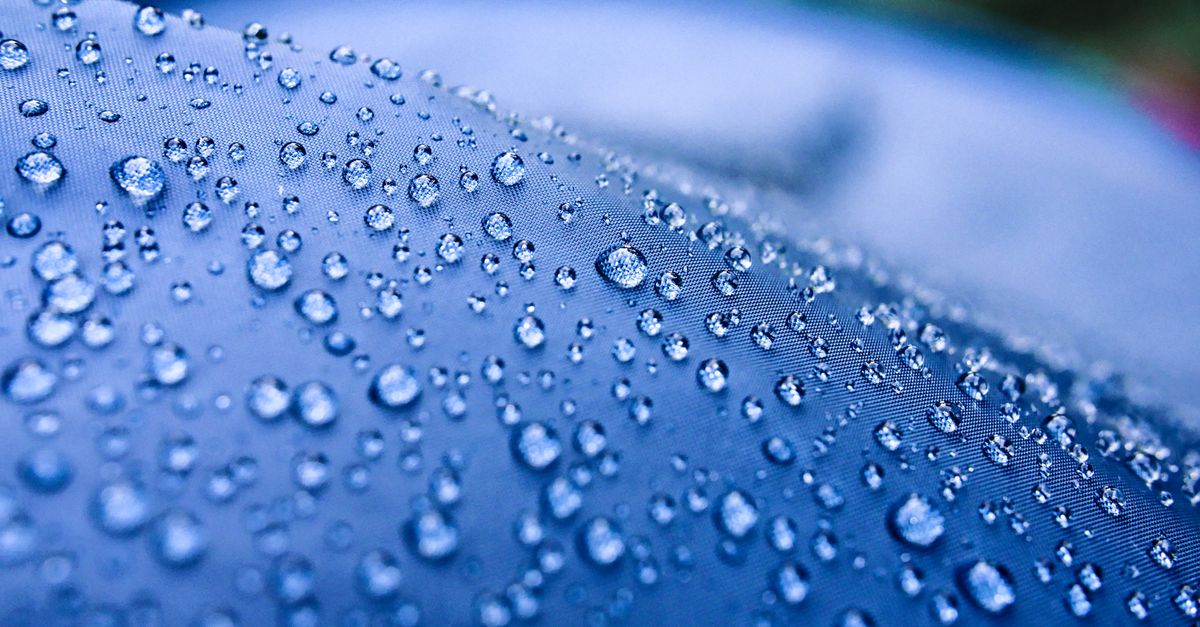
A jacket that used to bead water like a waxed car hood now soaks through in a drizzle. If that sounds familiar, the fix is almost always simpler than buying a new coat — and you can do it in an afternoon without specialist kit.
This guide covers why waterproofing fails, which restoration method suits which jacket, and how to do the job properly so the result lasts.
Why Your Jacket Stops Repelling Water
Most outdoor jackets rely on two independent barriers:
1. A DWR (Durable Water Repellent) coating on the outer fabric. This is a microscopic treatment that makes water bead and roll off. It wears down with use, washing, and UV exposure — sometimes within a single season of hard hiking.
2. A waterproof membrane — typically a laminated layer such as Gore-Tex, eVent, or a proprietary equivalent — bonded to the inside of the shell. This is a much tougher barrier that does not degrade nearly as quickly.
The counter-intuitive failure mode: when the DWR fails, the outer fabric becomes wet out — it absorbs water and turns heavy and dark. That wet fabric blocks the membrane’s ability to release body vapour, making you feel wet even though the membrane itself is still functional. Restoring DWR is usually all that’s needed.
True membrane failure (actual leaks through the fabric, not through seams) is rare on a well-made jacket and cannot be repaired at home; a jacket that leaks despite fresh DWR almost always has blown seam tape rather than a dead membrane.

Choosing the Right Treatment for Your Jacket
Not all jackets are treated the same way. Using the wrong product can damage the face fabric or void the manufacturer’s warranty.
Wash-in DWR treatments
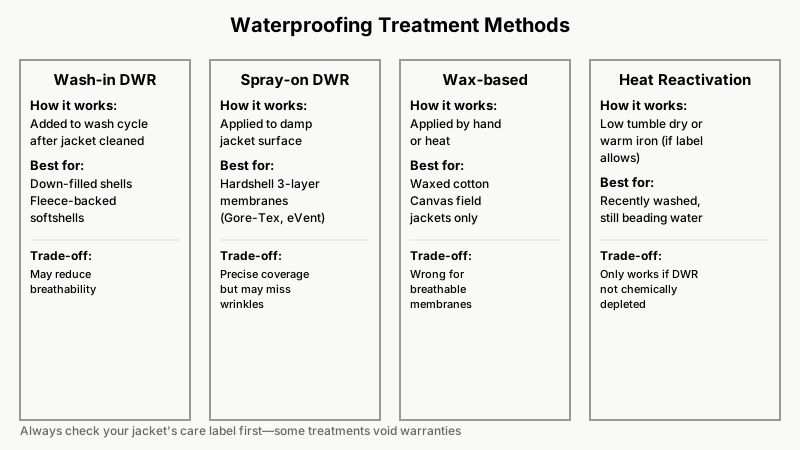
Products like Nikwax TX.Direct Wash-In and Grangers Performance Wash + Repel are added to your washing machine drum after the jacket is clean. They work well on jackets where the laminate makes ironing risky — softshells, fleece-lined shells, down jackets. The trade-off: wash-in products can slightly reduce breathability because they coat the whole fabric surface, including pores.
Best for: down-filled shells, fleece-backed softshells, any jacket the manufacturer says “do not tumble dry.”
Spray-on DWR treatments
Nikwax TX.Direct Spray-On, Grangers Clothing Repel Spray, and similar products are applied to a damp jacket surface. You get more precise coverage without coating the lining. Spray-on products can miss low spots and wrinkles, so application technique matters more.
Best for: hardshell laminates (3-layer Gore-Tex, eVent, similar), structured technical pieces where you want to avoid treating the inner mesh.
Wax-based treatments
Products like Nikwax Wax Cotton Proof and Fjällräven Greenland Wax are specifically for waxed cotton and canvas — think Barbour-style field jackets, Belstaff, and Filson. These are a completely different chemistry from DWR sprays. Applying a DWR spray to a wax cotton jacket will not produce good results and may leave residue; conversely, wax will clog the pores of a breathable membrane shell.
Best for: traditional waxed or oiled cotton outerwear only.
Heat reactivation (no product needed)
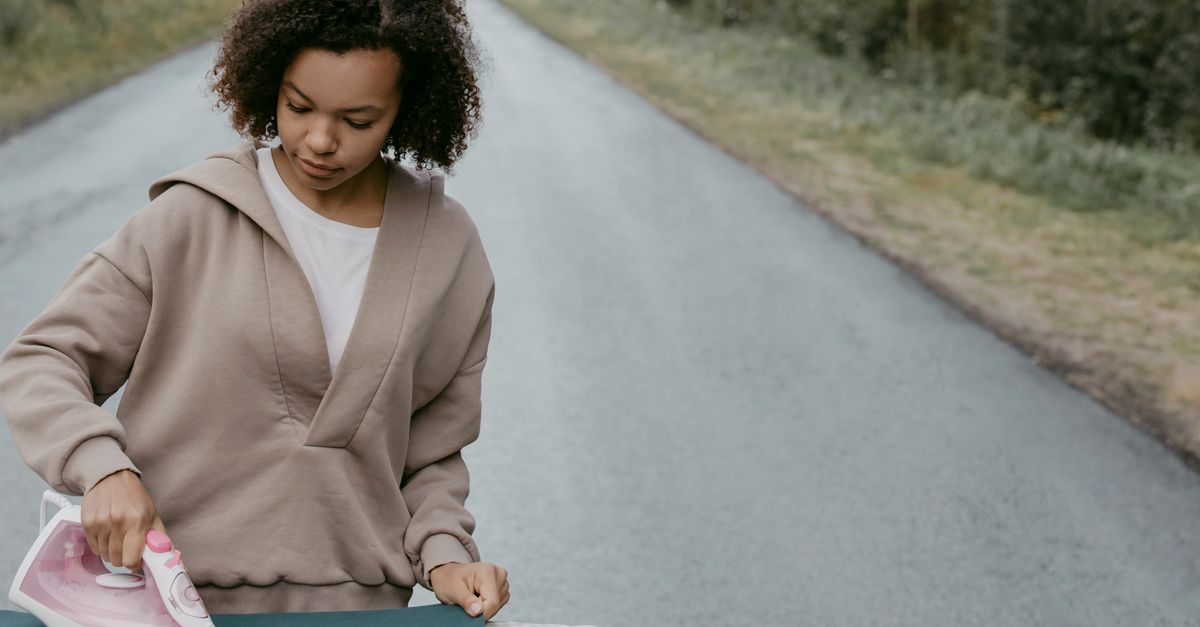
If your jacket was recently washed and its DWR is not yet chemically depleted — you tested it and water still beads a little — heat alone can sometimes re-bond the existing coating to the fabric fibers. Tumble dry on low heat for 20–30 minutes (if the care label allows), or pass a warm iron over the jacket through a pressing cloth.
Best for: jackets where DWR has been “flattened” by accumulated contamination or cold washing rather than fully degraded.
Step-by-Step: Restoring DWR with a Spray or Wash-in Product
The process differs slightly depending on whether you use a spray or wash-in formula, but the preparation is identical.
Step 1 — Read the care label first
Some jackets cannot be machine washed. Some require cool water only. Some prohibit tumble drying. Following the manufacturer’s care instructions is not optional if you care about the membrane warranty.
Step 2 — Clean the jacket properly
DWR treatments bond poorly to a dirty surface. Wash the jacket with a dedicated technical outerwear cleaner (Nikwax Tech Wash, Grangers Performance Wash, or a gentle, fragrance-free detergent without fabric softener — fabric softener is the single most effective way to kill water repellency). A full cycle with plain water to rinse out any residue is worth doing.
Step 3 (wash-in method) — Apply during final rinse cycle
With the jacket still damp from washing, run a second cycle using the manufacturer’s recommended dose of wash-in treatment instead of detergent. Use a cool or warm (not hot) water setting to avoid membrane delamination.
Step 3 (spray-on method) — Apply to a damp jacket
- Remove the jacket from the wash while still damp — do not let it dry first.
- Hang it up and spray evenly across the entire face fabric, working methodically from shoulders to hem.
- Wipe off any pooling or drips with a clean cloth so you don’t get uneven blotchy results.
- Pay extra attention to shoulders, forearms, and across the chest — the zones that see most rain impact and abrasion.
Step 4 — Activate with heat
This step is critical and often skipped. Heat causes the DWR molecules to stand upright and bond to the fabric. Without it, the treatment wears off much faster.
- Tumble dryer: 20 minutes on low heat (check the label — most hardshells tolerate this).
- Iron: Use a warm setting (not hot), place a damp cloth between iron and jacket, and work methodically across the fabric for 2–3 minutes per section.
Step 5 — Test and repeat if needed
Once cool, drip a little water on the treated areas. It should bead tightly and roll off. If it wets out flat instead, apply a second coat — some older jackets need two treatments when the original DWR is heavily depleted.
Treating Waxed Cotton Jackets
Waxed cotton operates on different physics: the fabric is impregnated with wax that physically blocks water penetration. Over time, wax migrates, wears thin on high-abrasion areas (collar, shoulders, cuffs), and cracks in cold weather.
What to do:
- Clean the jacket with cold water and a sponge — no machine wash, no soap.
- Warm the jacket gently (a hairdryer on low, or leave it in a warm room). Wax soaks in better when the fabric is slightly warm.
- Apply wax reproofing product (Fjällräven Greenland Wax, Nikwax Wax Cotton Proof, or direct from Barbour for their own jackets) using a clean cloth in circular motions. Build up coverage on worn patches.
- Use a hairdryer on a low setting to melt the wax into the weave — work slowly until the fabric looks slightly translucent.
- Hang to dry for at least 24 hours before wearing. Excess wax will transfer to light-coloured upholstery and car seats if the jacket hasn’t fully cured.
A note on colour: fresh wax temporarily darkens the fabric. The appearance lightens slightly as it cures, but a waxed jacket will never look exactly like unwaxed cotton.
Seam Tape: What You Can (and Can’t) Fix
If your jacket leaks at specific lines — along the shoulders, the chest pocket seams, or around the zip baffles — the cause is likely failed seam tape rather than depleted DWR. Seam tape is the internal strip of heat-bonded membrane that covers stitch holes.
You can:
- Apply a strip of Gear Aid Seam Grip + Tape or McNett Seam Sealer over delaminated sections, pressing firmly and allowing 8–12 hours cure time.
- Use a seam sealer liquid (Gear Aid Seam Grip WP) to recoat areas where tape has lifted at the edges.
You cannot:
- Re-do the original factory tape job on complex seam intersections at home — a factory taping rig uses heat and pressure tools that aren’t available domestically. Very old or extensively delaminated jackets may need a specialty outdoor gear repair service.
How Long Does a Home Reproofing Last?
Expect a well-applied DWR treatment to hold for a season of regular use — roughly several months of weekend hiking — before it needs repeating. That’s a realistic range; durability depends heavily on activity type, washing frequency, and storage conditions.
Practical habits that extend DWR life:
- Wash the jacket in cool water with a technical cleaner rather than regular detergent.
- Avoid high-spin washing cycles, which abrade fabric.
- Store the jacket loosely in a dry location — compressed in a stuff sack long-term degrades the treatment faster.
- Treat again proactively at the start of each wet season rather than waiting for wet-out to appear mid-trip.
Frequently Asked Questions
Can I use WD-40 or silicone spray as a waterproofing substitute?
No. WD-40 is a water displacer and penetrating oil, not a DWR treatment — it will stain the fabric and destroy breathability. Silicone sprays similarly clog membrane pores. Use products formulated specifically for breathable outerwear.
Do I need to buy the same brand product as my jacket?
No. DWR treatments are cross-compatible with membranes. Nikwax and Grangers products work on Gore-Tex, eVent, Polartec NeoShell, and most proprietary laminates. The only exception is waxed cotton — do not use DWR spray treatments on it.
Will reproofing fix a jacket that leaks heavily in heavy rain?
If the jacket wet-outs and feels damp but you’re not soaked through, reproofing will likely help. If water is visibly passing through the fabric or through seam lines, you have a membrane or seam tape issue that DWR won’t address.
How do I know if the DWR is gone or the membrane has failed?
Turn the jacket inside out and look at the inner membrane surface while the jacket is wet-out. If the membrane looks dry and undamaged but the outer face fabric is soaked through, the DWR has failed — membrane is fine. If the inner surface is damp in patches, the membrane or seam tape has failed.
Is it worth reproofing a very old jacket?
Generally yes, as long as the fabric isn’t physically torn, delaminated, or cracking. A well-made hardshell jacket from a reputable brand can last 10 or more years with regular reproofing. The DWR treatment itself is inexpensive (usually under $15 for most products) relative to a replacement jacket.