Geotjeori, the Fresh Kimchi My Mother Makes to Eat Right Away
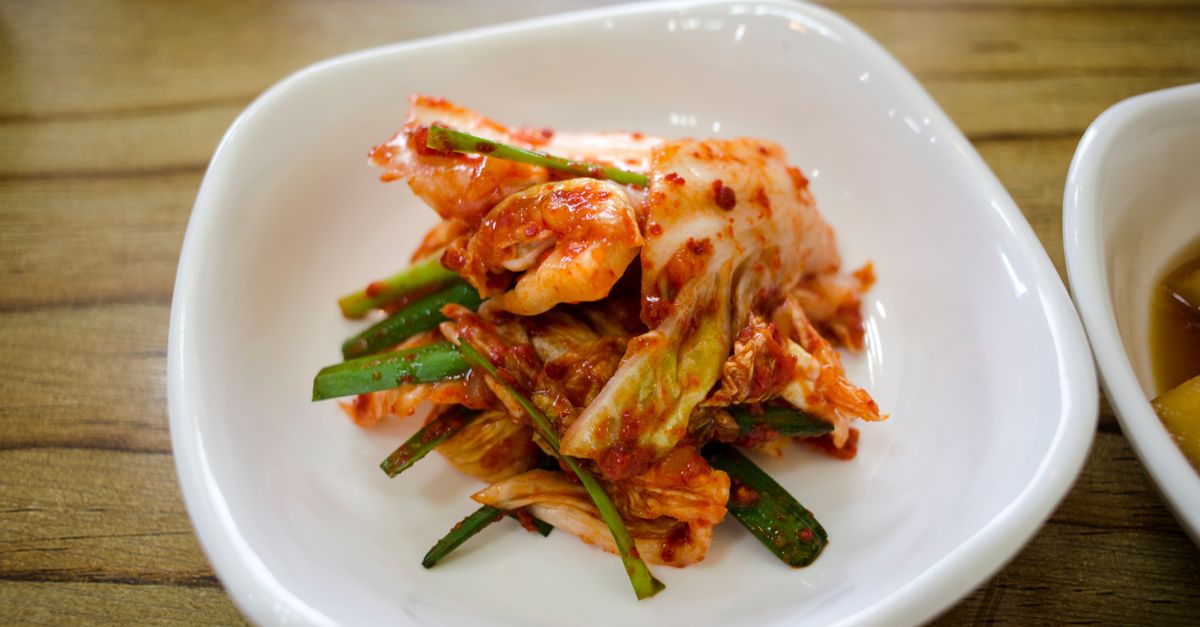
When people outside Korea think of kimchi, they usually picture a big batch fermenting for weeks. Geotjeori is the opposite: a fresh, crunchy kimchi you season and eat the same day. My mother taught me to make it, and it’s something I make often, because it takes less than an hour and doesn’t need a whole season of fermenting.
To be honest, I didn’t like geotjeori much as a child. I came to love it more and more as I got older.
Ingredients (2 small napa cabbages, about 1 kg / 2.2 lb, for 2 to 4 people)
For salting
- Small napa cabbage, also sold as baby napa cabbage (albaechu): 2 heads, about 1 kg
- Coarse salt: 30 g
For the seasoning
- Gochugaru (Korean chili flakes): 4 to 5 tablespoons
- Anchovy fish sauce (myeolchi aekjeot): 2 tablespoons
- Salted shrimp (saeujeot): 1 tablespoon
- Minced garlic: 1 1/2 tablespoons
- Minced ginger: 1/2 teaspoon
- Sugar: 1 tablespoon
- Korean green plum syrup (maesil-cheong): 1 tablespoon, optional
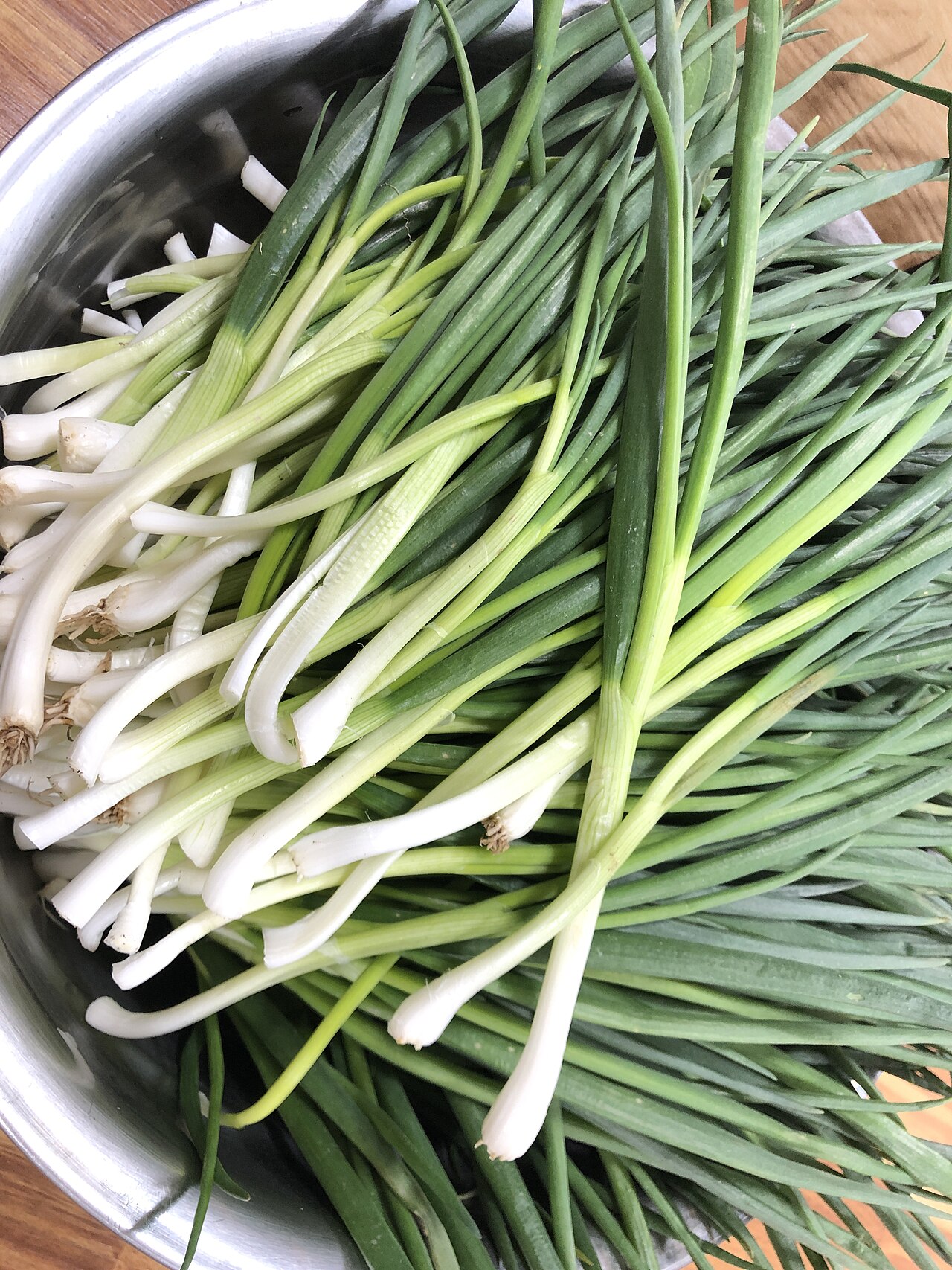
- Jjokpa (Korean chives / thin green onions): 50 g
- Onion: 1/4, thinly sliced
- Toasted sesame seeds: 1 tablespoon
- Sesame oil: 1 teaspoon
Cut the cabbage
- Cut off the base and separate the leaves.
- Wash them well under running water.
- Split the large leaves lengthwise once, then cut them into 4 to 5 cm (about 2 inch) pieces.
- Small inner leaves can stay whole or be cut in half.
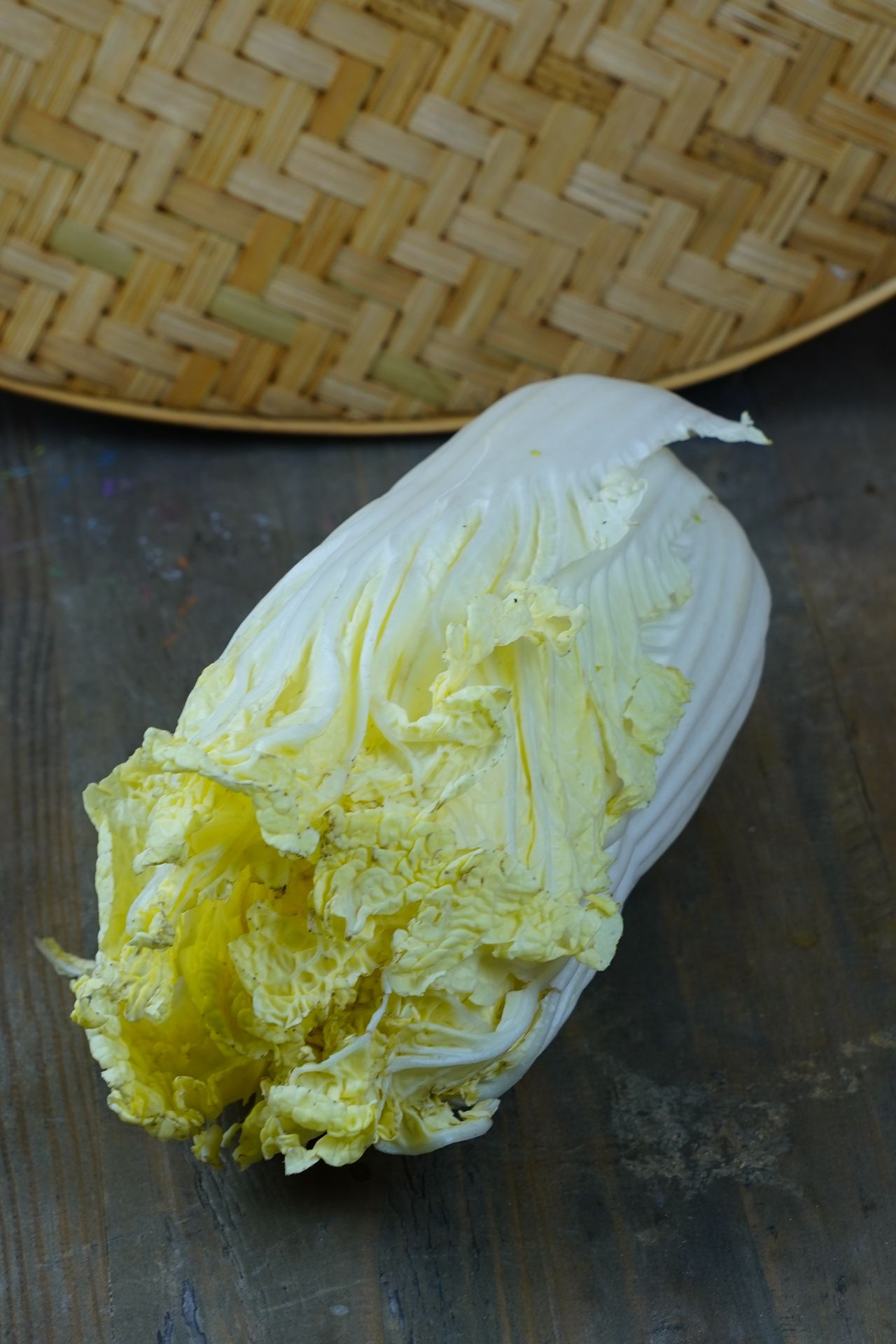
Salt it briefly
Geotjeori is salted for a shorter time than regular napa cabbage kimchi. That’s what keeps it crunchy.
- Put the 1 kg of cut cabbage in a large bowl.
- Sprinkle 30 g of coarse salt evenly, focusing on the thick white stems.
- Toss lightly with your hands.
- Leave it at room temperature for 30 to 40 minutes, turning everything over once after 15 to 20 minutes.
It’s done when the stems bend slightly but still crunch.
Rinse and drain, gently
- Rinse the salted cabbage lightly in cold water, once or twice.
- Taste a piece. If it’s still too salty, rinse once more.
- Drain it in a colander for 10 to 15 minutes.
Don’t squeeze it hard with your hands. That bruises the cabbage.
Season in two steps
The seasoning, especially the fish sauce, is what matters most in geotjeori: too much and too little are both a problem. Honestly, the real know-how comes from making it several times. However much someone explains it, you only get it right once you’ve tried it yourself.
Mix the gochugaru, fish sauce, salted shrimp, garlic, ginger, sugar, and plum syrup (if using) into a seasoning paste.
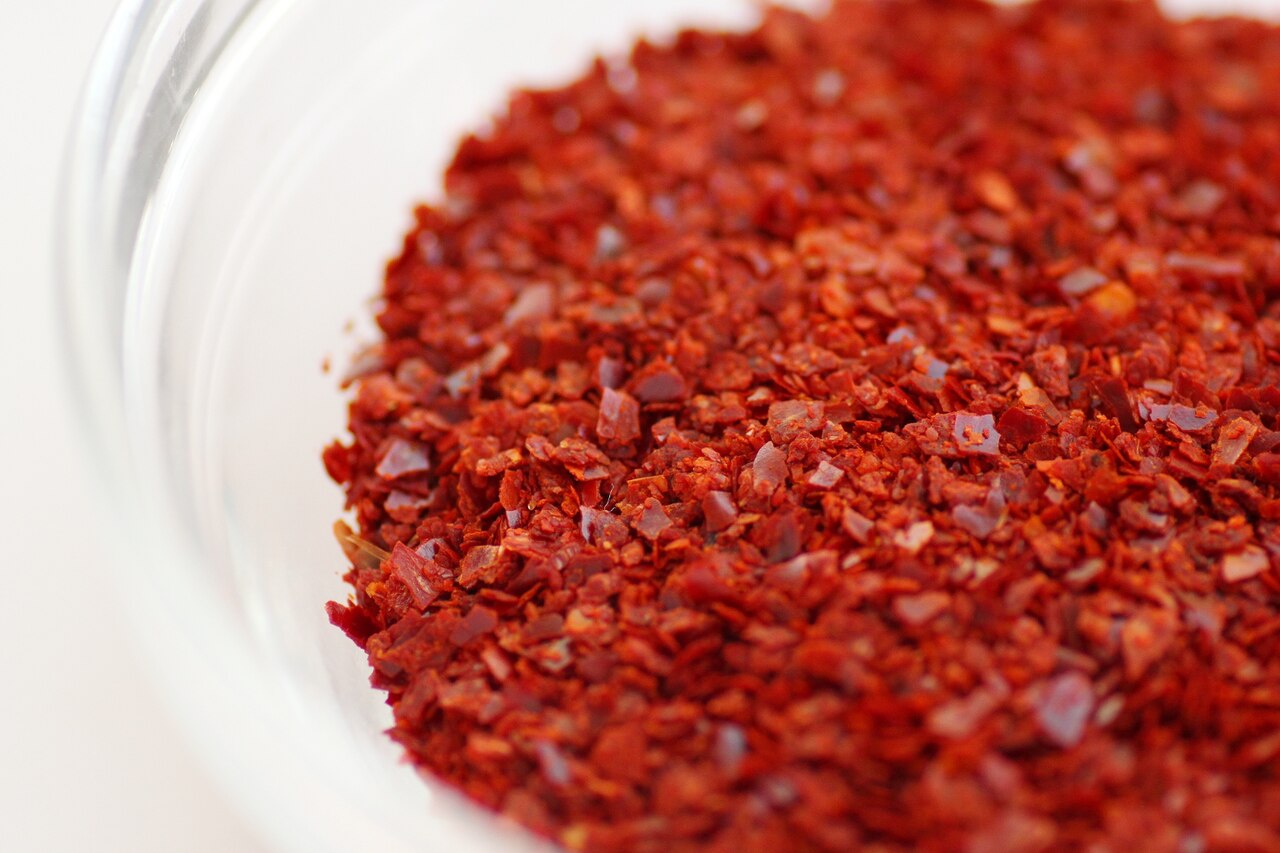
Photo: Stacy Spensley, CC BY 2.0, via Wikimedia Commons
- Put the drained cabbage in a large bowl.
- Add about two-thirds of the seasoning first and toss gently.
- Taste, then add the rest of the seasoning as needed.
- Add the jjokpa and sliced onion.
- Sprinkle the sesame seeds on last.
If you’re eating it right away, a little sesame oil is a nice addition.
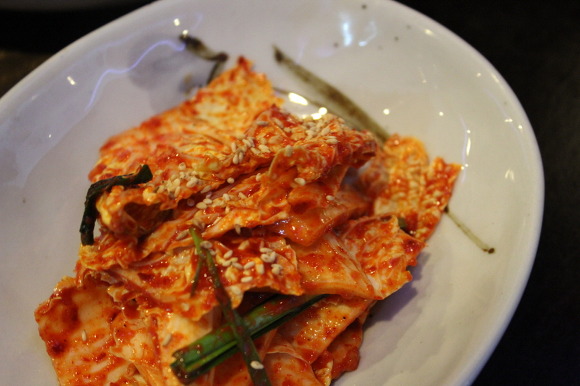
Photo: 뚱표아빠의 세상사는 이야기, CC BY 4.0, via Wikimedia Commons
Eat it fresh
Geotjeori tastes best right after you make it. If you let it ripen too long, it loses the fresh, crisp character that makes it geotjeori. My favorite way to eat it is simply with a bowl of warm rice. It’s also the best match I know for kalguksu (knife-cut noodle soup), and it goes well alongside suyuk (boiled pork) or grilled meat.
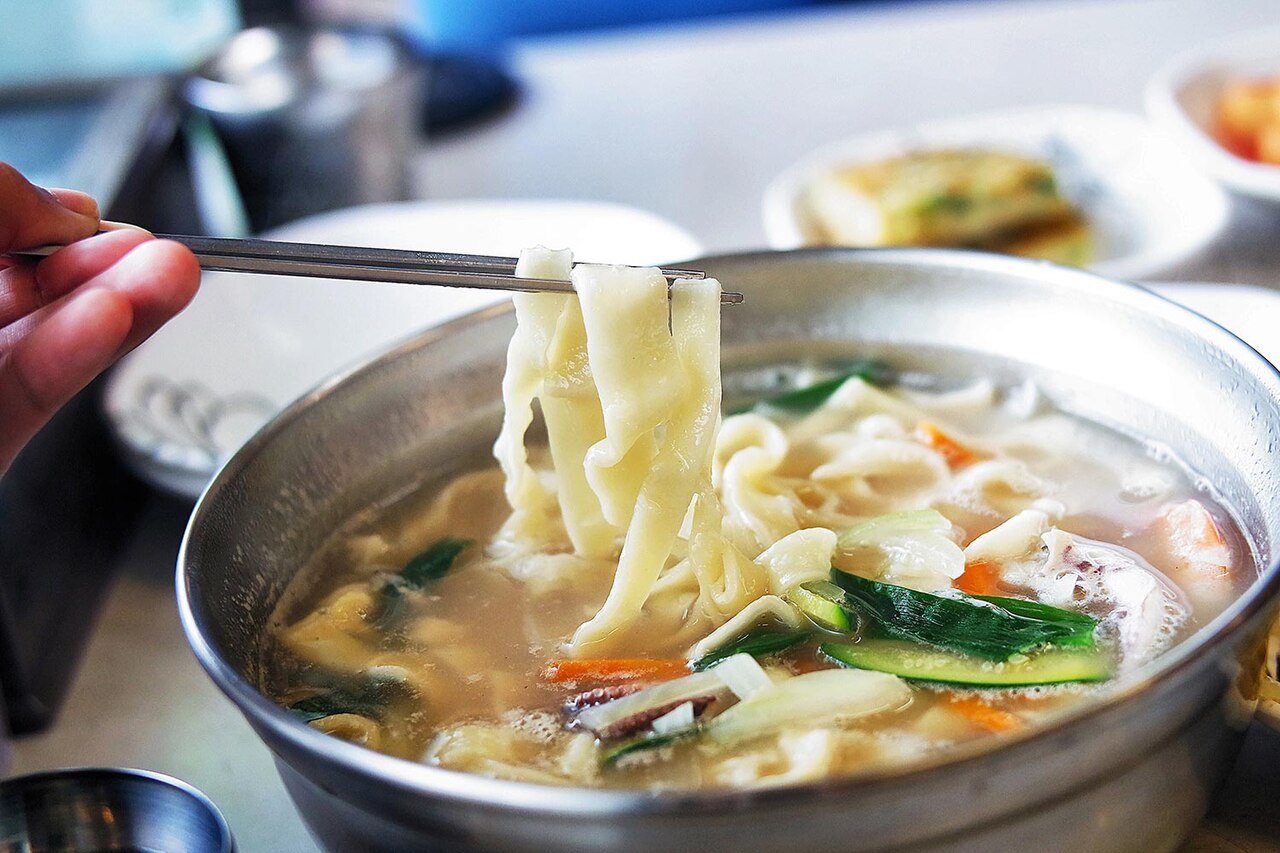
Photo: insatiablemunch, CC BY 2.0, via Wikimedia Commons
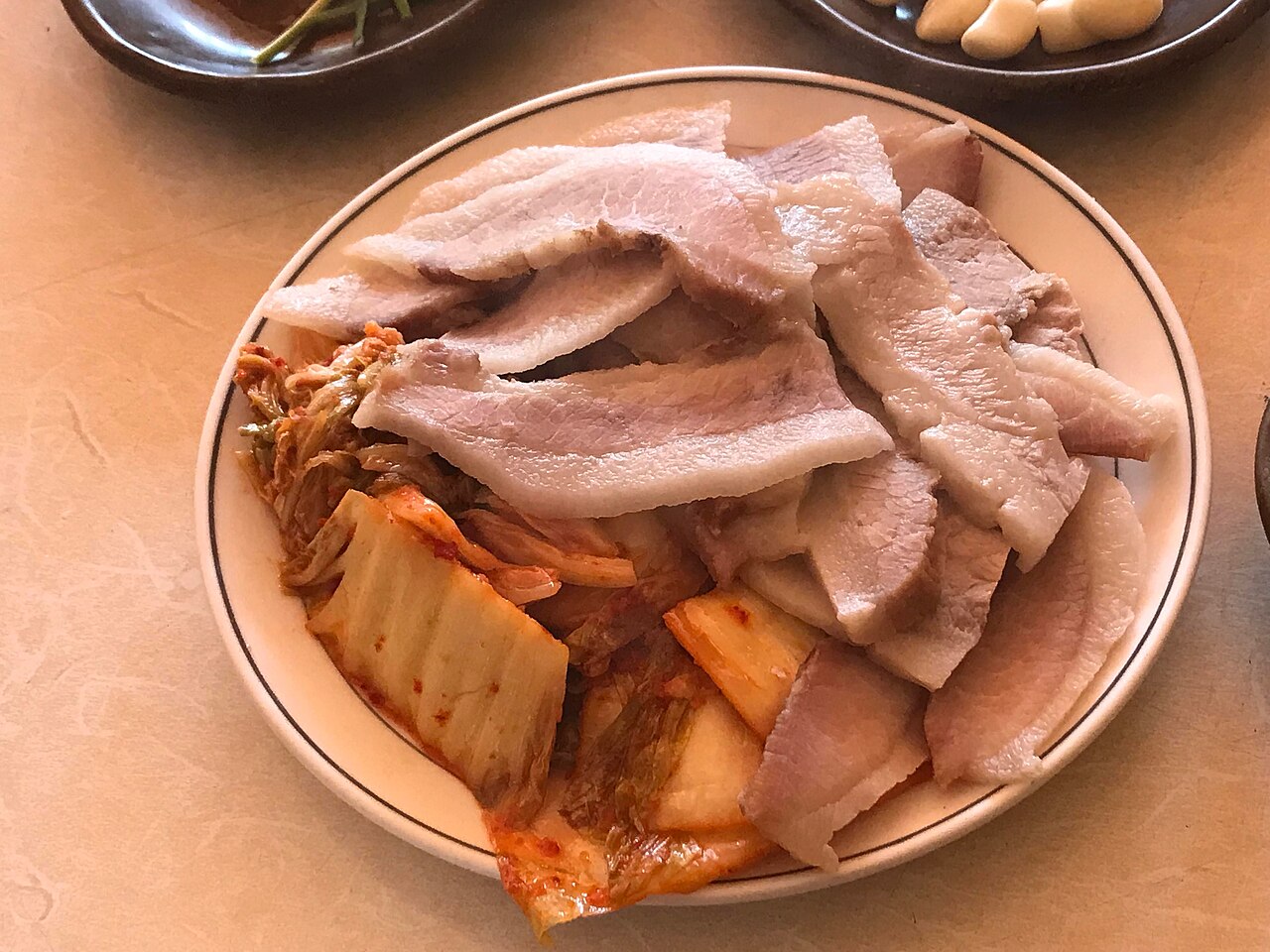
Photo: lazy fri13th, CC BY 2.0, via Wikimedia Commons
If you have some left over, keep it in the fridge and eat it within 3 to 4 days.
For a kimchi that’s meant to ripen for a day or two before you eat it, see How My Mother Taught Me to Make Kkakdugi (Korean Cubed Radish Kimchi).
Other geotjeori I like
Geotjeori isn’t only made with napa cabbage. Lettuce geotjeori is delicious too, and personally I especially like lettuce geotjeori and bomdong geotjeori, made with bomdong, a flat, open-leaved spring cabbage.
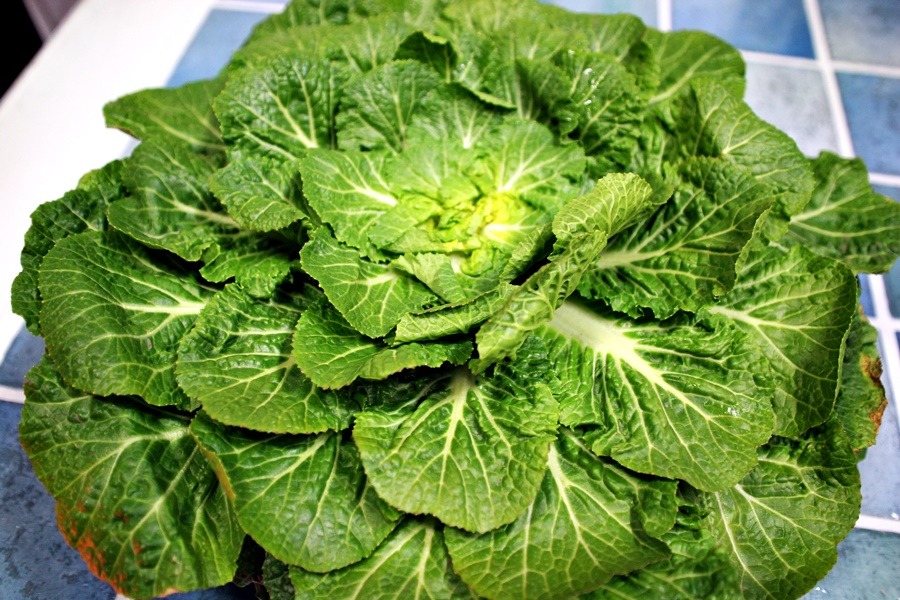
Photo: semizzang, CC BY 4.0, via Wikimedia Commons
If you’re making it for the first time
- Try it with lettuce first. It’s less daunting than napa cabbage.
- Get the fish sauce right: not too much, not too little.
What went wrong, and how to avoid it
| Problem | What causes it | What to do |
|---|---|---|
| Too salty | Too much salt, salted too long, not rinsed well enough, or too much fish sauce | 30 g salt per 1 kg for 30 to 40 minutes; taste after rinsing and rinse again if needed; go easy on the fish sauce |
| Lots of liquid, limp instead of crunchy | Not salted enough; not drained enough | Salt for the full time and let it drain 10 to 15 minutes before seasoning |
| Tough, chewy cabbage | Not salted enough; very thick stems | Salt for the full 30 to 40 minutes, focusing on the stems; split thick leaves |
| Bitter taste | The cabbage itself was bitter; too much ginger | Keep ginger to 1/2 teaspoon |
| Strong raw, grassy smell | Not enough seasoning; the cabbage’s own smell | Taste and add the remaining seasoning |