Birthday Miyeokguk the Way My Mother Made It: Less Seaweed Than You Think
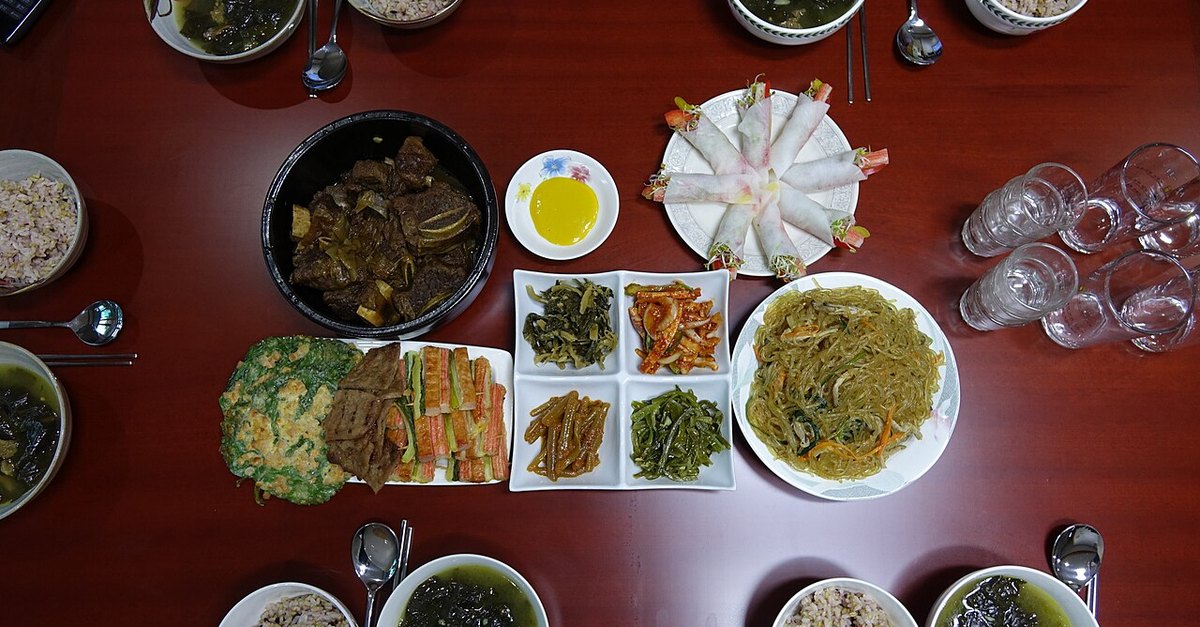
I learned miyeokguk (Korean seaweed soup) by standing next to my mother while she made it. I never measured anything back then. I thought you just soaked the seaweed, stir-fried it with beef, and let it simmer for a long time. When I started making it myself, I found out that the amount of seaweed and the moment you add the soup soy sauce change the taste quite a lot.
At home, I always make it for birthdays. I also make it on ordinary days when I can’t think of what soup to make. When I have no appetite or I’m worn out, a hot bowl of miyeokguk with rice in it settles my stomach. When I make it for someone who is sick, I season it a little lighter than usual.
Birthday mornings
When I was a child, my mother got up early on birthday mornings to make miyeokguk. On days when there was a lot of beef in it, it felt like a special dish, more than the everyday soup.
My mother told me that eating seaweed soup on your birthday isn’t only about having a good soup. It’s a custom for remembering the hard work of the person who gave birth to you and raised you. Years later, when a baby was born in our family and I watched the new mother eating miyeokguk, those words finally sank in. That’s why, even now, I try to make birthday miyeokguk myself whenever I can.
Ingredients (4 servings)
- Dried cut seaweed (miyeok, the same plant as wakame): 15 to 20 g (about 1/2 to 2/3 oz)
- Beef, brisket (yangji) or beef for soup: 150 to 200 g (5 to 7 oz)
- Toasted sesame oil: 1 tablespoon
- Soup soy sauce (guk-ganjang): about 1 tablespoon when stir-frying, then 1 to 1 1/2 tablespoons for seasoning
- Water: 1.5 to 1.7 liters (about 6 1/2 to 7 cups)
- Minced garlic: 1 to 2 teaspoons
- Salt: to finish
- Fish sauce: 1 teaspoon, optional
The seaweed: less than you think
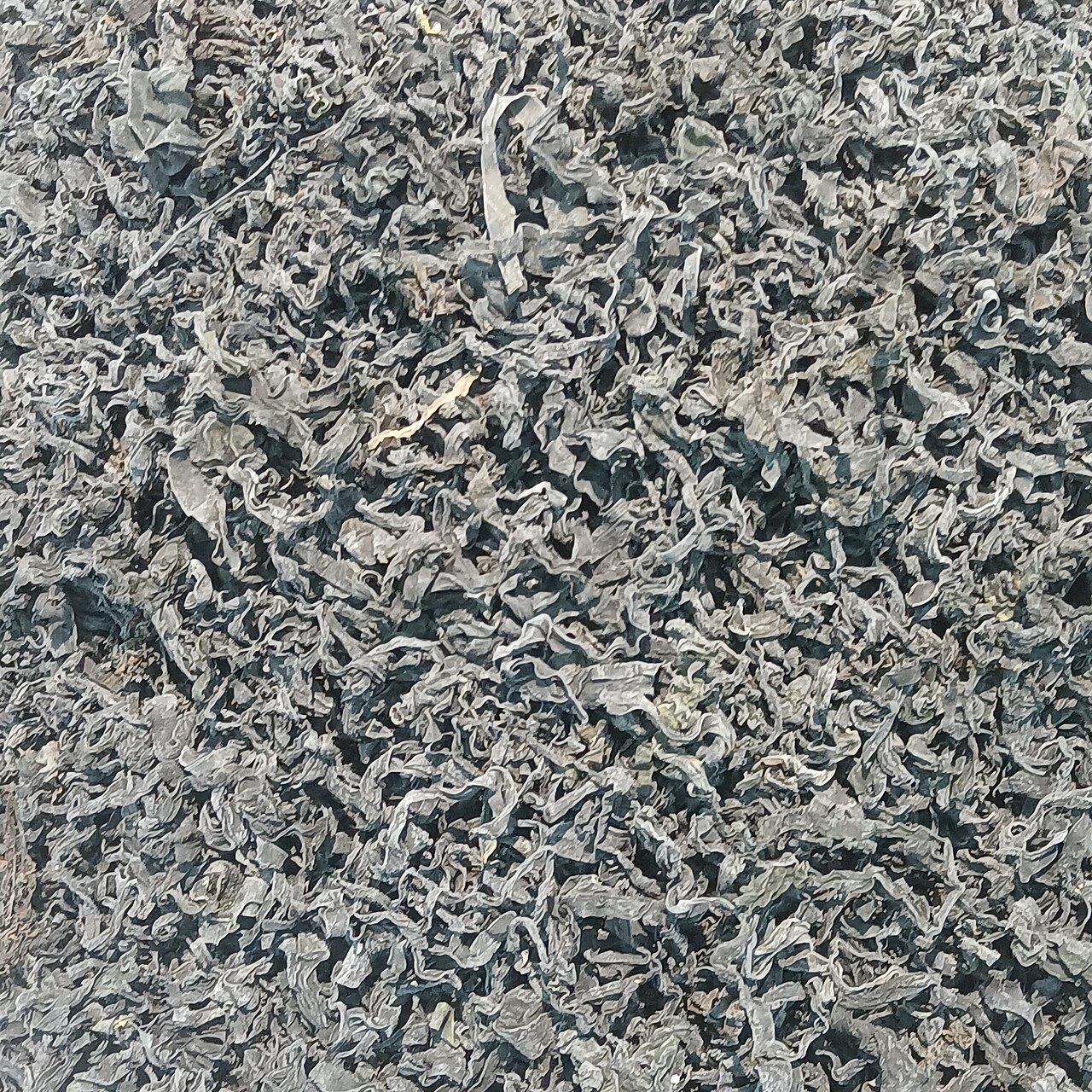
Most of the time I use the dried cut seaweed sold at the grocery store. It’s already in pieces, so there’s nothing to cut, and after soaking it’s a good size for eating. Now and then I use whole dried seaweed, because the leaves are long and have a nice chew. The long seaweed sold for new mothers can come in big amounts or long lengths, so I trim it before using it.
For 4 servings I use 15 to 20 g of dried seaweed. It looks like too little, but it swells to several times its size in water, so don’t add a lot at the start. Every product swells differently, so I also check the amount suggested on the package.
The first time I made it on my own, the dried seaweed looked like so little that I threw in another handful. The pot ended up full of seaweed. Since then, I always weigh it, at least roughly.
Soaking and rinsing
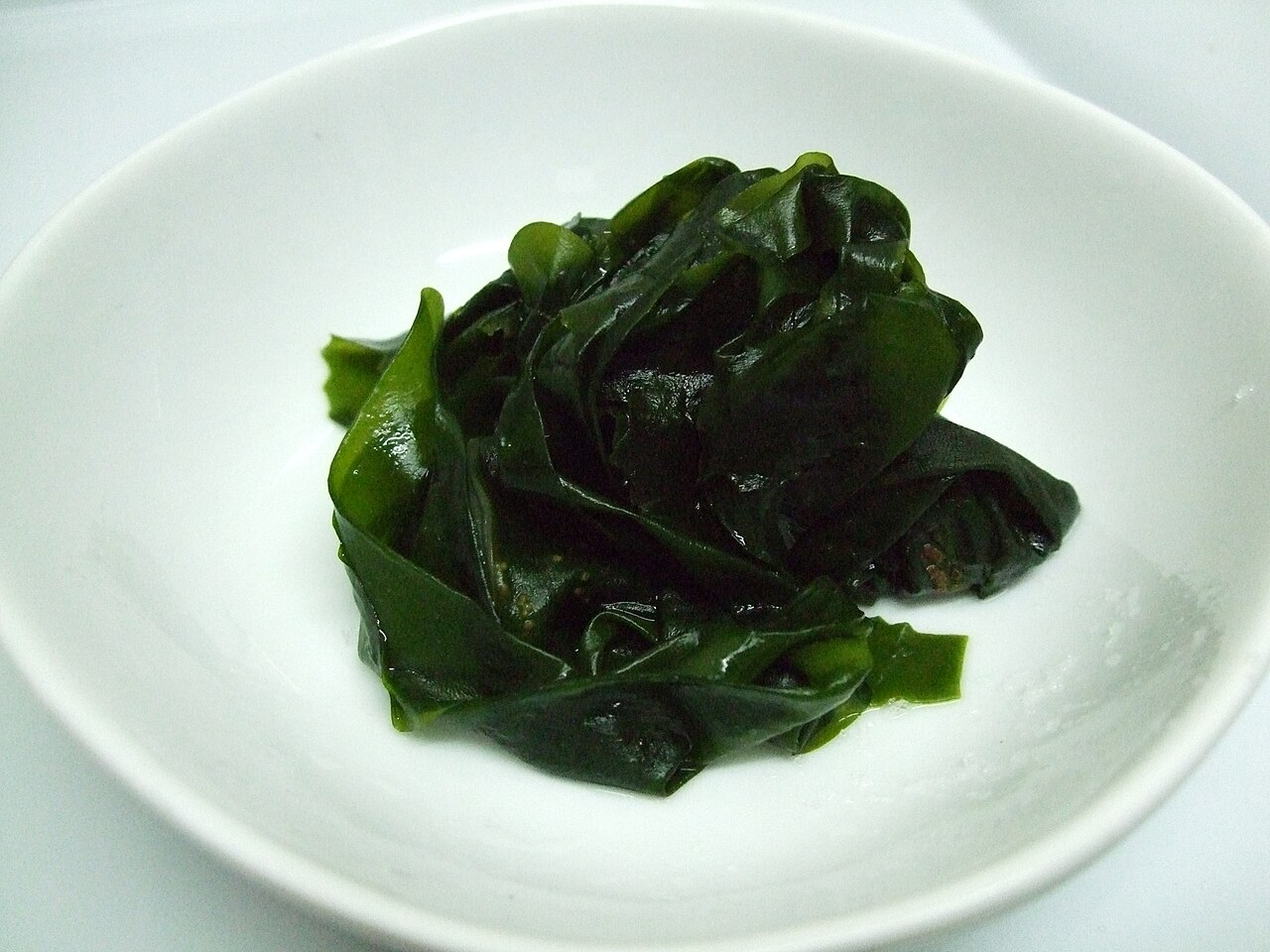
I soak the seaweed in cold or room-temperature water, not warm water, for 10 to 15 minutes. Some products soften faster, so when you touch it and there are no hard parts left, it’s ready.
Then I pour off the water, rinse it gently two or three times in clean water, and drain it in a strainer. I don’t rub or squeeze it hard. Cut seaweed that’s already the right size I use as it is. Whole seaweed I cut with kitchen scissors into pieces about 4 to 5 cm (1 1/2 to 2 inches) long, a size that’s easy to eat with a spoon.
If you don’t rinse the seaweed well, the soup can taste too strongly of the sea. This is one of the mistakes I’ve made.
The beef
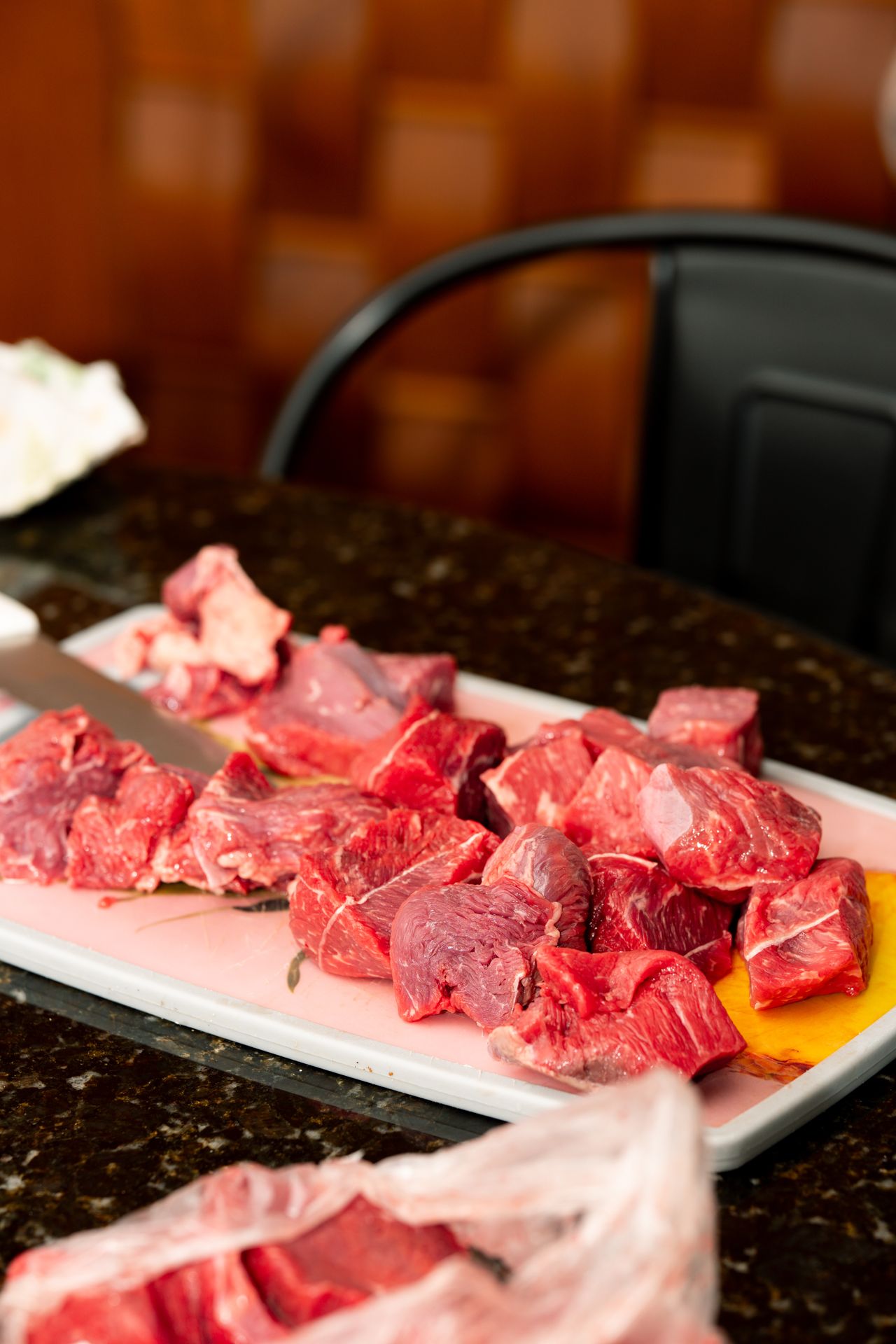
I mostly use brisket (yangji) or beef labeled for soup. For 4 servings that’s 150 to 200 g, cut into bite-sized pieces of about 2 cm (3/4 inch) so they aren’t too big.
Brisket makes the broth rich and savory when it simmers for a while. Beef shank (satae) is chewy in a good way once it’s cooked through.
Stir-fry first, then simmer
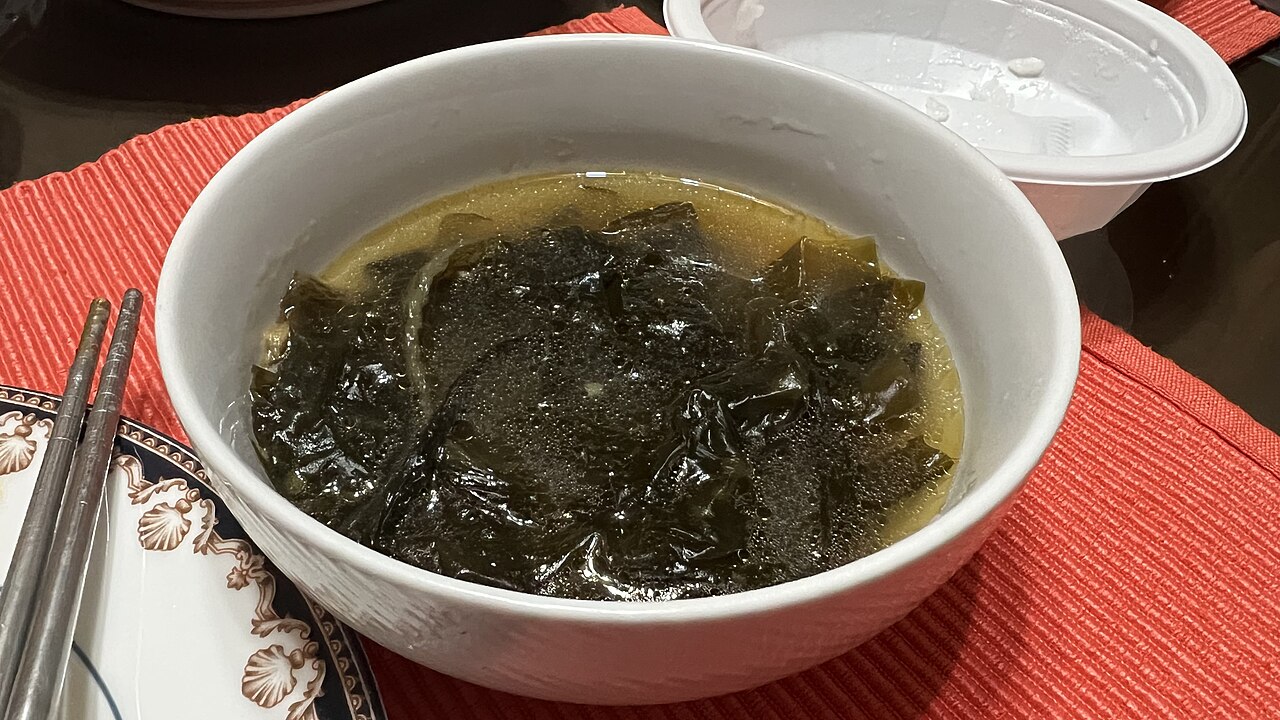 Photo: Jaydub666, CC BY 4.0, via Wikimedia Commons
I’m used to stir-frying the beef and seaweed before adding water.
- Heat 1 tablespoon of sesame oil in the pot over medium-low heat and stir-fry the beef for 2 to 3 minutes, until the outside changes color.
- Add the soaked seaweed and stir-fry for another 2 to 3 minutes, so the oil and the beef flavor coat it evenly.
- Sometimes I add about 1 tablespoon of soup soy sauce at this point and stir it in briefly. Keep the heat from getting too high so nothing sticks to the bottom.
- Pour in 1.5 to 1.7 liters of water. Bring it to a boil over high heat, then turn it down to medium-low and simmer for 25 to 35 minutes.
- Add 1 to 1 1/2 tablespoons of soup soy sauce first, taste, and then make up the rest with salt. I add 1 to 2 teaspoons of minced garlic. If you like the seaweed’s own flavor, use just a little.
- If it needs more depth, I sometimes add 1 teaspoon of fish sauce, but you don’t have to.
You can stir-fry the beef and seaweed together from the start, but I’m used to doing the beef first. Use the sesame oil for aroma only, and don’t pour in a lot.
Miyeokguk needs a good simmer for the broth to turn savory, but cooking it endlessly doesn’t make it better. I make sure the seaweed doesn’t get so soft that it falls apart.
What I serve with it
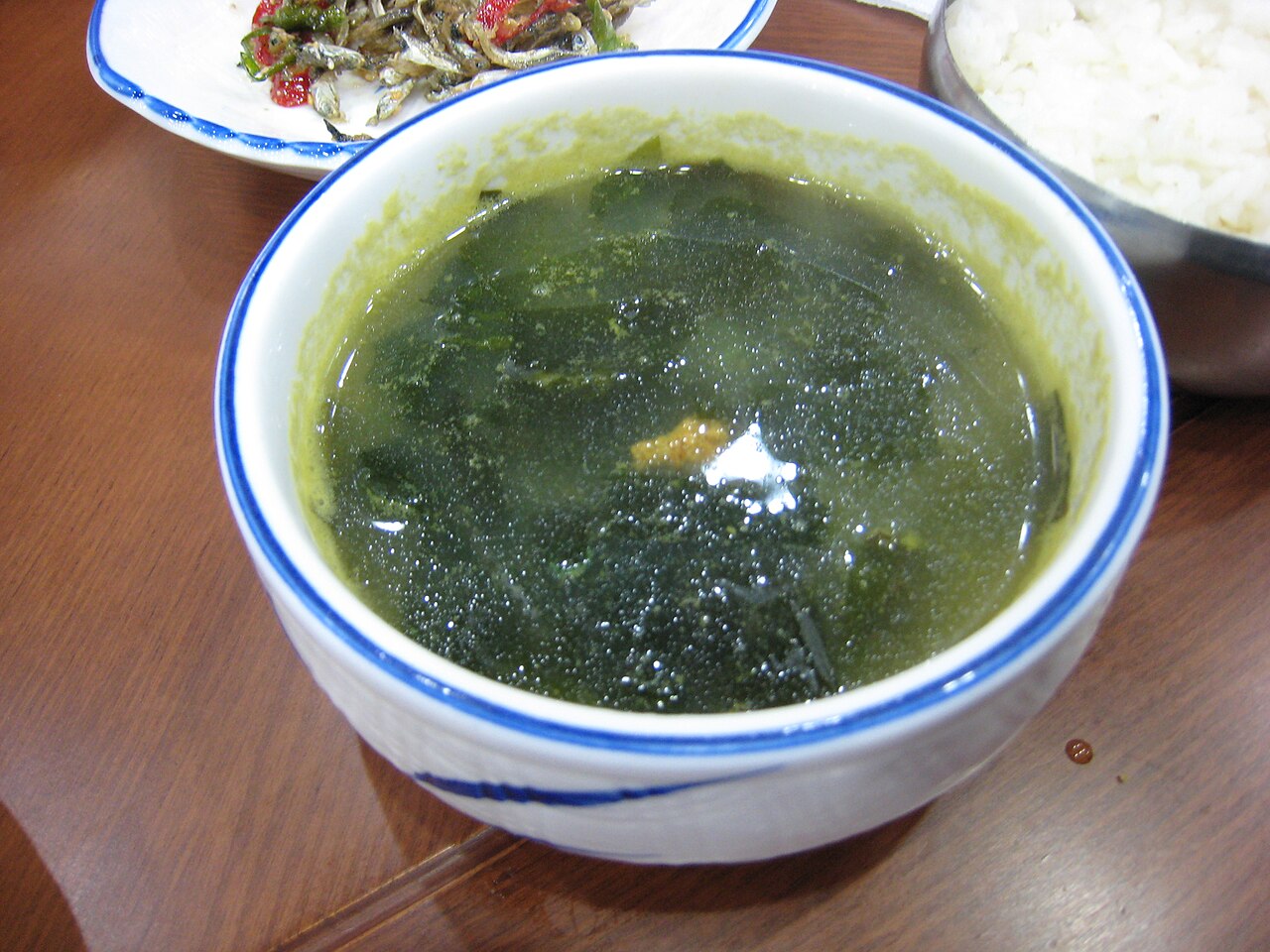 Photo: karendotcom127, CC BY 2.0, via Wikimedia Commons
On ordinary days, warm white rice and kimchi are all I need. Slightly spicy kimchi, like kkakdugi (cubed radish kimchi) or napa cabbage kimchi, goes well with the mild soup. Sometimes I add a rolled omelet (gyeran-mari) or braised tofu.
For a birthday table, along with the miyeokguk I make japchae, bulgogi, a rolled omelet or a few kinds of namul (seasoned vegetables), and grilled fish when I can. I don’t think the table has to be full of dishes. Having one or two things the birthday person likes and eating together while it’s warm matters more to me.
Other ways to make it
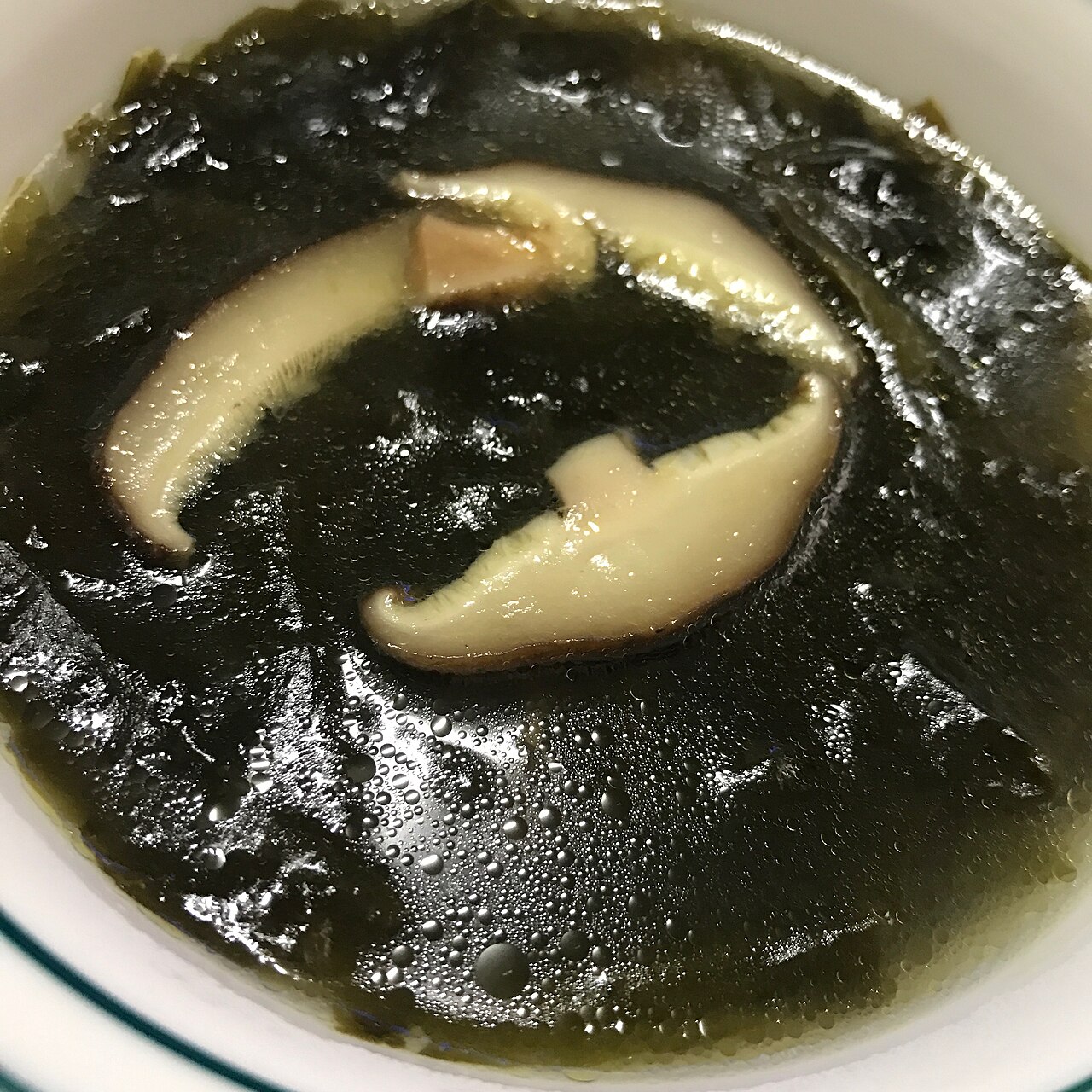 Photo: chomjong, CC BY 2.0, via Wikimedia Commons
What goes into miyeokguk really changes from house to house. I’ve tried all of these:
- Clams or mussels instead of beef: the broth tastes clean and refreshing. Purge and wash shellfish well. They get tough if they cook too long, so I add them after the seaweed has simmered for a while.
- Dried pollock (hwangtae): the broth is light but deep.
- Shiitake mushrooms: they add a nice aroma, but if the mushroom flavor is too strong it covers the seaweed, so I use only a little.
- Perilla seed powder (deulkkae-garu): the broth turns nutty and a little thick. It’s a different kind of good from regular miyeokguk. For 4 servings I stir in 2 to 3 tablespoons at the end.
- Canned tuna: I’ve used it when I was in a hurry. It’s easy, but it tastes quite different from beef miyeokguk.
For birthdays I make beef miyeokguk. When I want something different on an ordinary day, I make it with clams or with perilla seeds.
Leftovers
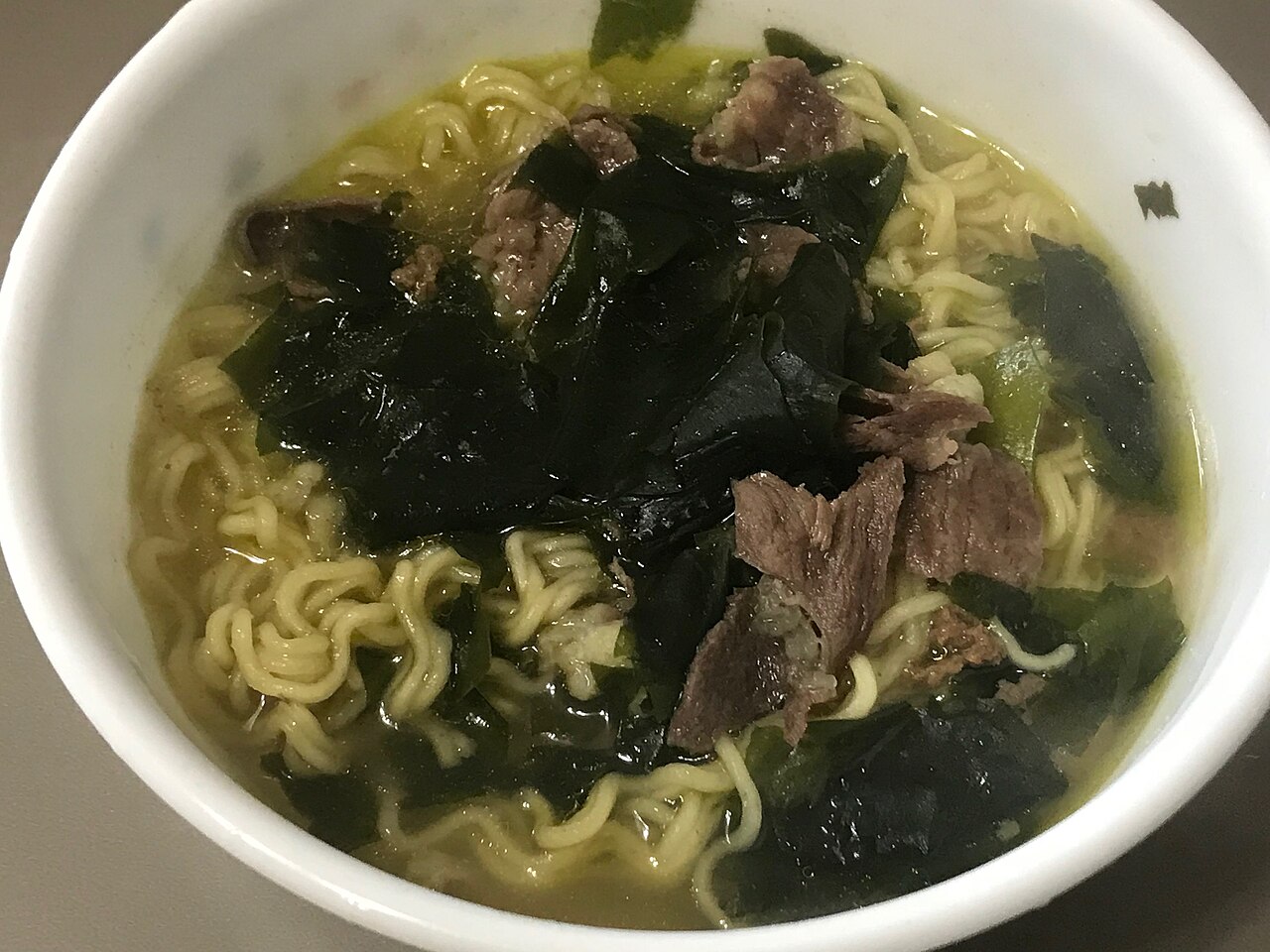 Photo: lazy fri13th, CC BY 2.0, via Wikimedia Commons
I don’t leave leftover soup out for long. Once the steam dies down, I divide it into shallow airtight containers and refrigerate it, within 2 hours including the cooling time.
- In the fridge: I usually eat it within 2 to 3 days.
- Longer than that: I freeze it in single portions.
- Reheating: I take out only what I need and bring it to a boil until it’s hot all the way through. If the broth has cooked down and tastes too strong, I add a little water and check the seasoning again.
- If it’s already been reheated several times, or the smell or look seems off, I don’t eat it.
I like adding rice to leftover miyeokguk and eating it like a rice soup. You can also add a few instant ramyeon noodles. The noodles and the broth are both salty, so leave out the seasoning packet or use only a tiny bit.
Mistakes I’ve made
| Problem | What I do now |
|---|---|
| A pot full of seaweed | Weigh the dried seaweed. 15 to 20 g is enough for 4 servings |
| Too fishy, too much sea smell | Rinse the soaked seaweed two or three times. If using seafood, clean it well |
| Cloudy broth | Don’t stir-fry the beef too long over high heat so the bottom burns. Skim the foam as it simmers |
| Too salty | Don’t pour in a lot of soup soy sauce at the start. Finish with a little salt at a time |
I’ve made it too salty, too. Adding a little water and simmering again evens out the seasoning, but remember that the broth will taste weaker by that much.
If you’re making it for the first time
The first thing I’d say is: don’t use too much dried seaweed. It looks small when dry, but it grows a lot once soaked.
- Where to buy: Korean grocery stores and Asian markets carry dried seaweed. Products labeled “dried seaweed” or “wakame” that are meant for soup will work. The very finely cut wakame made for Japanese miso soup can have a slightly different texture.
- No soup soy sauce? Use a small amount of regular soy sauce and finish the seasoning with salt. A lot of regular soy sauce makes the broth dark and changes the taste.
- A first batch: start with about 15 g of dried seaweed, 150 g of beef, and 1.5 liters of water.
Stir-fry the seaweed and beef, let it simmer well, and season little by little at the end. Korean miyeokguk is easier to make than you might expect.