My Mother's Doenjang Jjigae (Korean Soybean Paste Stew) with Rice Water and River Snails
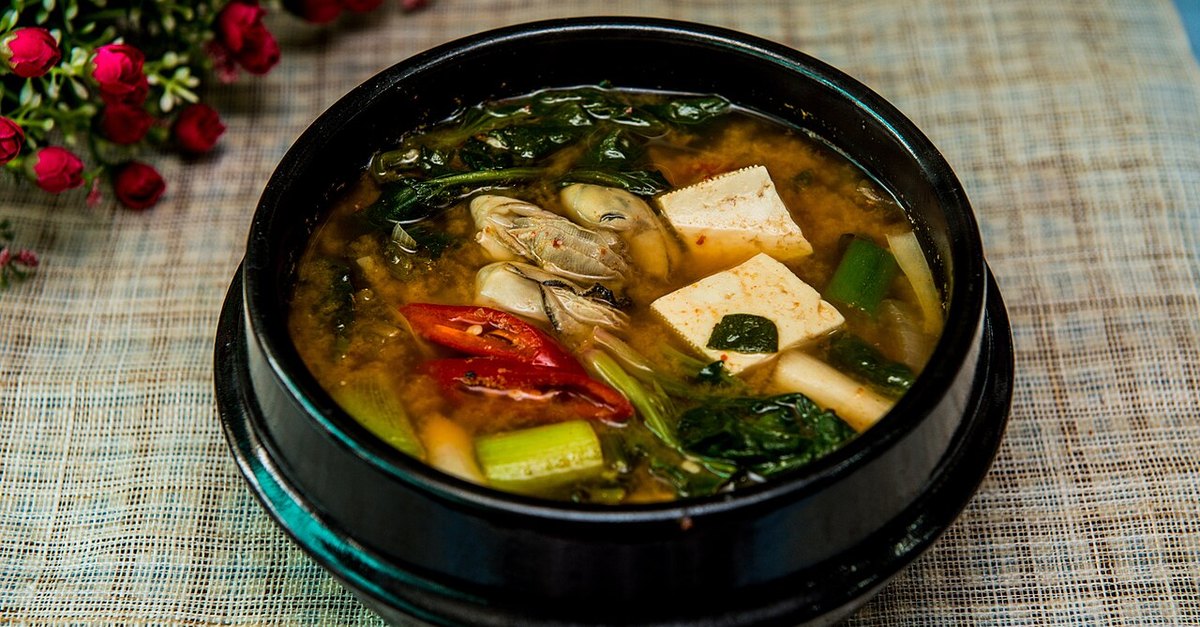
I learned to make doenjang jjigae from my mother, and at home we cook it once or twice a week. It’s an everyday dish, not a special one, which is exactly why the small details matter: the broth, the amount of paste, and the order you add things.
When I was a child, we had doenjang jjigae almost every day. Back then I honestly didn’t like that at all. Now I miss it.
Ingredients (2 to 3 servings)
- Doenjang (Korean soybean paste): 2 tablespoons
- Dried big-eyed herring (dipori): 4 to 5 fish, plus a piece of dried kelp (dasima) if you have it
- Liquid: about 550 mL (about 2 1/3 cups) in total of the herring broth and rice water (ssalddeumul) combined; the more of it is rice water, the better
- Tofu: 1/2 block
- Korean zucchini (aehobak): 1/2
- Potato: 1
- Cheongyang chili peppers: 1 to 2
- River snail meat (ureong-i): 100 to 150 g, or the same amount of clams (such as Manila clams) or other shellfish
- A little cooking oil for frying the doenjang
Make the broth
Simmer 4 to 5 dried big-eyed herring (dipori) in plain water for about 30 minutes, then take them out. A piece of dried kelp in the pot with them makes the broth even better.
The stew itself also gets rice water, the cloudy water left after rinsing rice. Use as much of it as you can: it adds a deeper, nuttier flavor (Koreans call it gusuhan mat). Together, the broth and rice water should come to about 550 mL for 2 to 3 servings.
Choose the doenjang
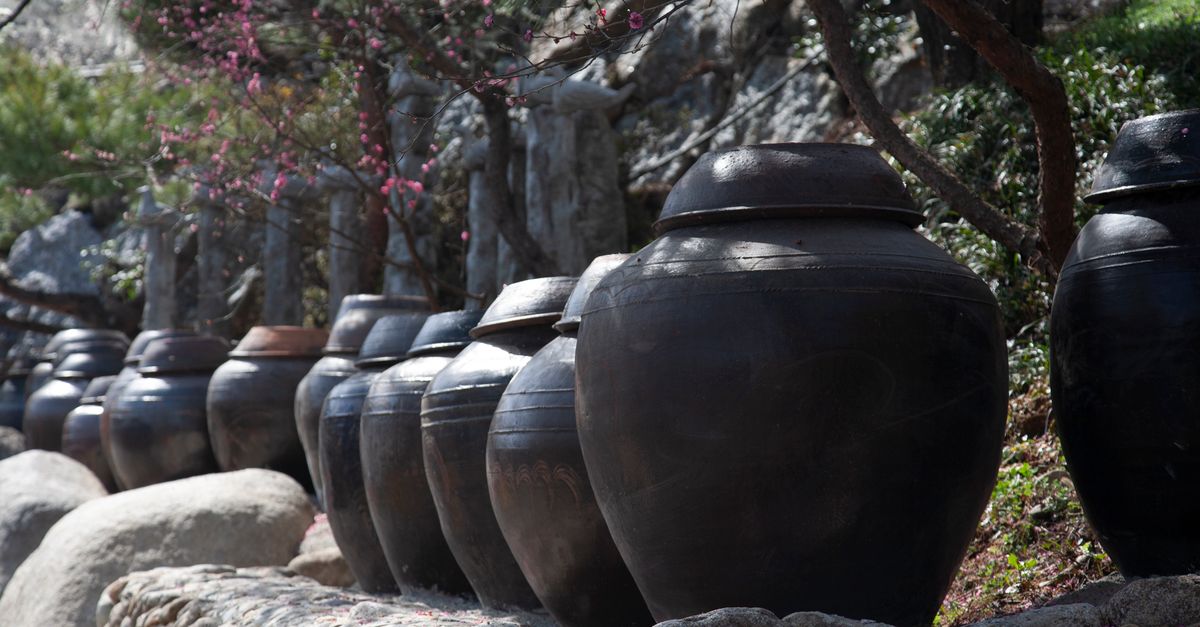
The doenjang is the most important ingredient. Homemade doenjang, the kind families used to ferment themselves, is hard to find these days, so I use a store-bought one and pick the product that tastes closest to homemade. I usually choose one labeled “traditional-style” (jaeraesik), though honestly I’m not sure how much difference the label really makes.
The taste of the doenjang matters more than anything else in this stew. Growing up, we made it with homemade doenjang, and I never noticed how good that was. Now that I cook with store-bought doenjang, I can clearly taste the difference: the stew made with homemade doenjang was better. So my advice is to buy a homemade-style doenjang, even if it costs a little more.
Get the amount of doenjang right from the start
For 2 to 3 servings I use 2 tablespoons, and all of it goes in at the beginning. Don’t plan on adjusting later: the stew gets better the longer it simmers, and the paste needs that time in the pot.
Getting this amount wrong is the most common way doenjang jjigae fails. Too much doenjang makes the stew far too salty.
And one thing I leave out: gochujang. Some recipes mix in red pepper paste, but when I add it, the stew turns heavy and muddy-tasting.
Fry the doenjang briefly
Heat just a little oil in the pot and fry the doenjang for a short moment. Don’t fry it long, or it will stick and burn on the bottom. It’s a small step, but in my experience the stew tastes better for it.
Cook in three stages
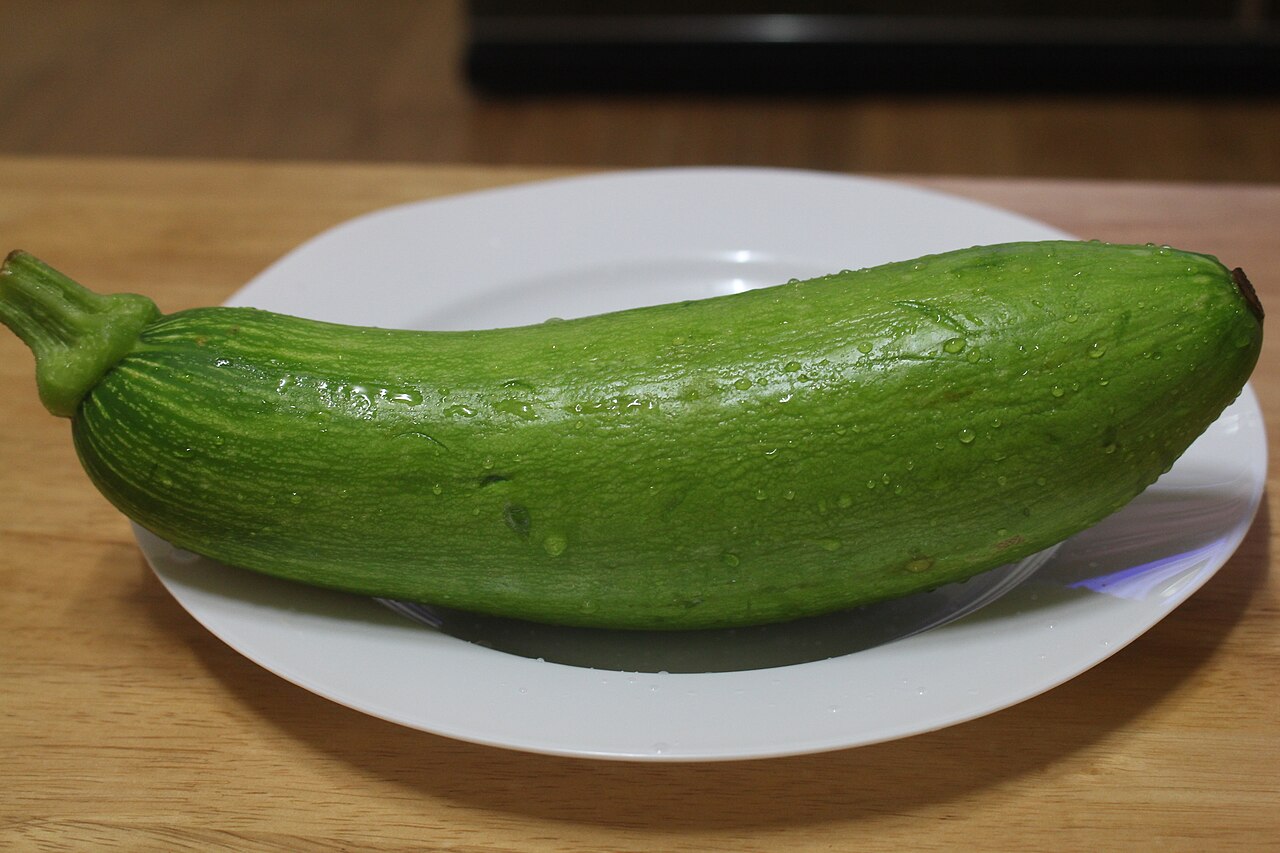
Photo: Choi Sunyoung, CC0, via Wikimedia Commons
Cut the potato and zucchini into small cubes, about the size of kkakdugi. I keep them small because I don’t like big chunks in my stew.
- Doenjang and river snails (or shellfish) first. Add the broth and rice water to the fried doenjang along with the snails. Once it comes to a rolling boil, cook for 10 minutes.
- Potato and zucchini next. Cook for another 10 minutes.
- Chili peppers and tofu last. Cook for a final 10 minutes, then it’s done.
The order is the second most common reason this stew goes wrong, after the amount of doenjang. The shellfish matters most here: snails and clams need a long simmer, so if they go in late they may not cook through, and the stew never gets their flavor. Potato and zucchini come next: add them too late and they may stay undercooked.
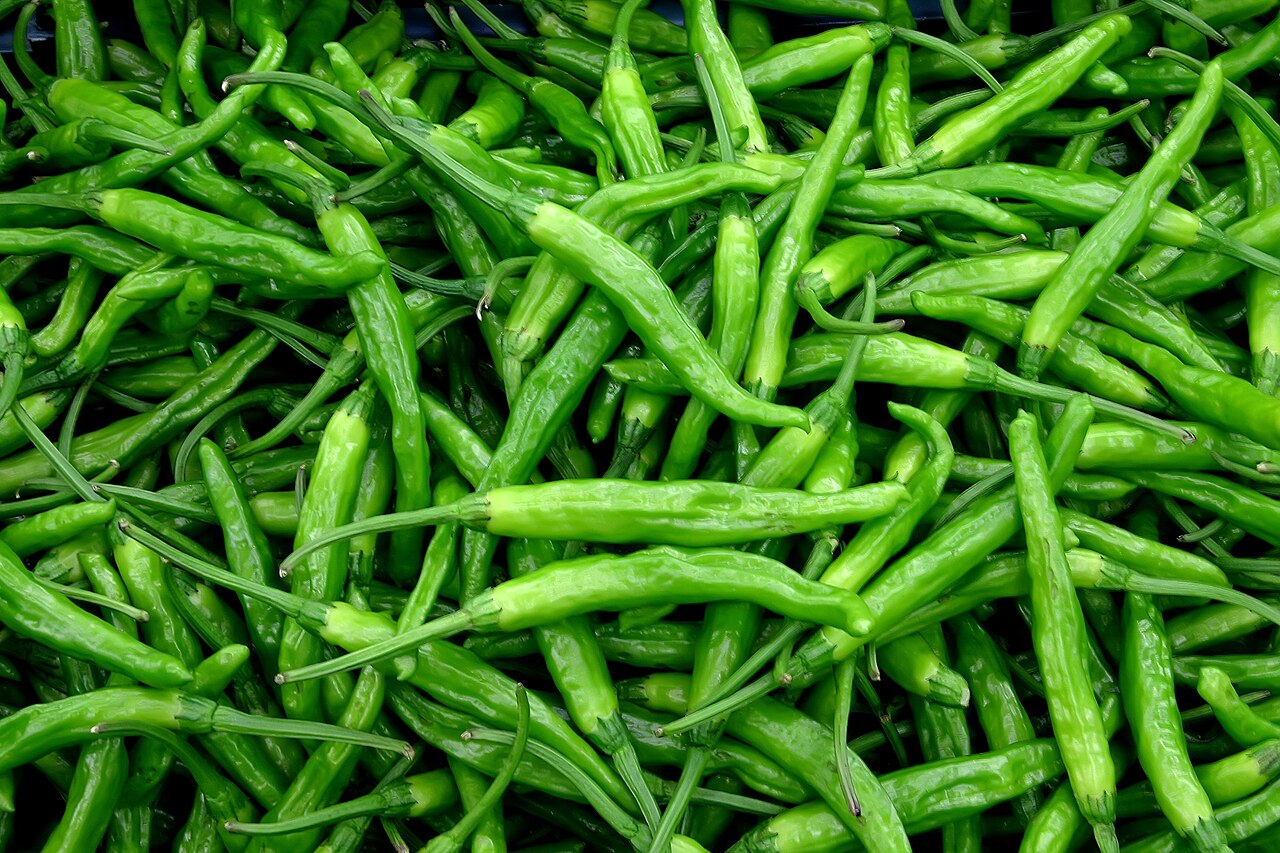
Photo: Y-h Kim, CC0, via Wikimedia Commons
Snails, shellfish, or beef and mushrooms
Doenjang jjigae with river snails tastes nuttier to me. Clams and other shellfish work well too; just make sure they’re fresh, because shellfish that isn’t fresh makes the stew salty.
If you can’t find either, there’s another version I like just as much: thinly sliced beef brisket (chadolbagi) with shiitake mushrooms.
For a kimchi to serve alongside, see How My Mother Taught Me to Make Kkakdugi (Korean Cubed Radish Kimchi).
What to eat it with
At home, a meal with doenjang jjigae means the stew, some fish, and a few everyday side dishes: stir-fried anchovies (myeolchi bokkeum), seasoned greens (namul), and kimchi.
Leftovers
- With somyeon noodles: cook thin wheat noodles (somyeon) separately, rinse them in water, then add them to the stew. It’s a treat of its own.
- As a rice soup: when I don’t have much appetite, I add a little more water to the stew, put rice in, and eat it like a doenjang gukbap (rice in soup).
If you’re making it for the first time
- Simmer it long. Doenjang jjigae always tastes better the longer it cooks.
- River snails go especially well with doenjang, but they’re hard to find. Small clams, or fresh squid cut into small pieces, work well too.
- Buy a homemade-style doenjang, even if it’s a bit more expensive.
What went wrong, and how to avoid it
| Problem | What caused it for us | What to do |
|---|---|---|
| Too salty | Too much doenjang (the most common mistake) | Use 2 tablespoons for 2 to 3 servings, all at the start |
| Shellfish undercooked, little flavor | Shellfish added too late | Put the snails or clams in first, with the doenjang |
| Potato or zucchini undercooked | Added too late | Add them after the first 10 minutes, then chili and tofu last |
| Salty, off taste | Shellfish that wasn’t fresh | Use fresh snails or clams |
| Heavy, muddy taste | Gochujang added | Leave the gochujang out |